Cable Incline Single-Arm Lat Pulldown: Form, Muscles Worked, Sets, Tips & FAQ
Learn how to perform the Cable Incline Single-Arm Lat Pulldown with proper form. Discover muscles worked, setup, step-by-step execution, sets and reps by goal, common mistakes, FAQs, and recommended equipment.
Cable Incline Single-Arm Lat Pulldown
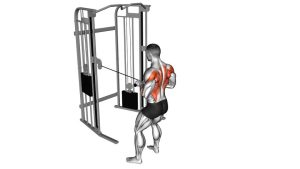
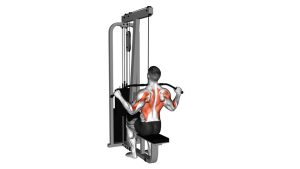
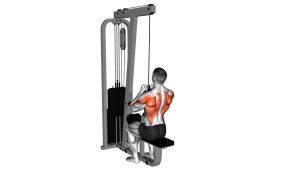
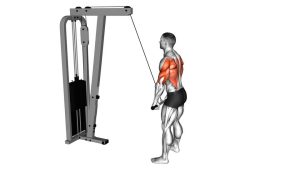
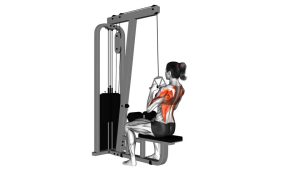
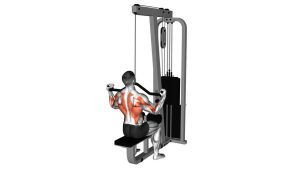
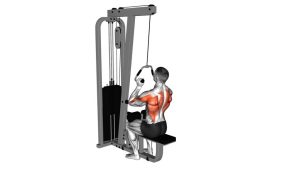
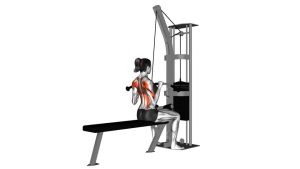
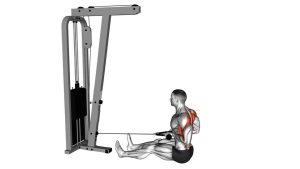
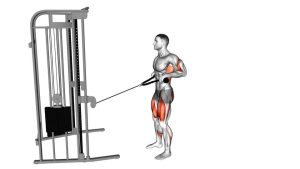
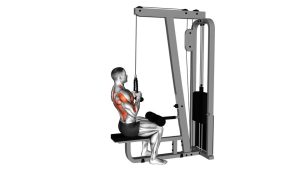
This movement works best when performed with a controlled tempo and a full range of motion. The incline support helps keep the torso more stable, which makes it easier to isolate the lat and limit body swing. You should feel the exercise mostly through the side of the back under the armpit, not as a biceps-dominant pull.
Quick Overview
| Body Part | Back |
|---|---|
| Primary Muscle | Latissimus dorsi |
| Secondary Muscle | Teres major, rear deltoid, biceps, rhomboids, lower traps, core stabilizers |
| Equipment | Cable machine, single D-handle, incline bench |
| Difficulty | Beginner to Intermediate |
Sets & Reps (By Goal)
- Muscle growth: 3–4 sets × 8–12 reps per side
- Strength-focused back work: 4–5 sets × 6–8 reps per side
- Technique and control: 2–3 sets × 10–15 reps per side
- Mind-muscle connection / finishing work: 2–3 sets × 12–15 reps per side
Progression rule: Add reps before adding load. Only increase the weight when you can keep the elbow path smooth, the shoulder stable, and the eccentric phase controlled.
Setup / Starting Position
- Set the pulley high: Attach a single D-handle to a high pulley position.
- Place the incline bench: Position an incline bench so your torso can brace comfortably while facing the cable.
- Grab the handle with one hand: Use a neutral grip and extend the working arm overhead.
- Brace your body: Keep your chest supported, ribs down, and core lightly engaged.
- Pack the shoulder: Let the arm reach fully, but avoid shrugging the shoulder toward the ear.
Tip: Set the bench angle so you feel supported without turning the exercise into a flat-supported pulldown. A moderate incline usually works best.
Execution (Step-by-Step)
- Start in a full stretch: Reach the working arm overhead and allow the lat to lengthen while keeping the shoulder controlled.
- Lead with the elbow: Pull the elbow down and slightly back toward your side, aiming it toward the hip.
- Keep the wrist quiet: Do not curl the handle down with the forearm or biceps.
- Squeeze at the bottom: Finish when the elbow is close to the torso and the lat is fully contracted.
- Return slowly: Let the handle travel back up under control until you reach a full overhead stretch again.
- Repeat on one side: Complete all reps before switching arms, or alternate sides if your programming calls for it.
Pro Tips & Common Mistakes
- Think elbow, not hand: The elbow should drive the movement to keep tension on the lat.
- Use the stretch: Let the arm reach fully at the top without losing shoulder control.
- Keep the chest supported: The incline bench should reduce cheating, not become something you push off violently.
- Avoid shrugging: If the upper trap takes over, reset the shoulder and reduce the load.
- Do not twist too much: A small natural rotation is fine, but excessive torso turning shifts work away from the lat.
- Control the eccentric: The lowering phase is where a lot of the lat stimulus happens.
- Match both sides: Keep the same range, tempo, and posture on each arm to avoid reinforcing imbalances.
FAQ
What muscles does the Cable Incline Single-Arm Lat Pulldown work?
It mainly targets the latissimus dorsi. The teres major, biceps, rear delts, rhomboids, and lower traps also assist, while the core helps stabilize the body.
Why use an incline bench for a single-arm lat pulldown?
The incline bench adds support and reduces momentum, which makes it easier to isolate the lat and keep the movement strict. It also helps many lifters feel the working side more clearly.
Should I pull straight down or back toward my body?
A slight arc works best. Instead of pulling perfectly straight down, think about drawing the elbow down and in toward your side. That usually creates better lat engagement.
Is this better than a regular lat pulldown?
It is not always better, but it is excellent for unilateral training, improving control, and building a stronger mind-muscle connection. It can work very well alongside standard bilateral pulldowns.
How heavy should I go?
Use a weight that lets you keep a full stretch, a clean elbow path, and a slow return phase. If you need momentum or excessive torso movement, the load is too heavy.
Recommended Equipment
- Single D-Handle Cable Attachment — the key handle for comfortable one-arm cable pulling
- Adjustable Incline Weight Bench — gives stable torso support and helps reduce momentum
- Lifting Straps — useful if grip fatigue limits your back training before your lats do
- Resistance Bands Set — great for warm-ups, lat activation, and extra back work between heavier sets
- Liquid Chalk — helps improve grip security on cable handles during higher-rep pulling work
Good equipment choices for this setup usually include a single D-handle attachment, an adjustable bench, and grip-support tools like straps. These are common Amazon categories for cable and bench training gear.