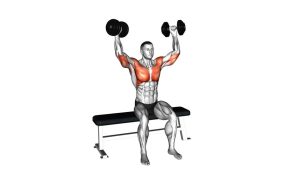
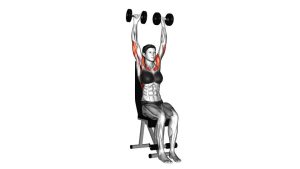
Dumbbell Standing Palms-In Press: Form, Sets, Tips & FAQ
Learn how to perform the Dumbbell Standing Palms-In Press with proper form for stronger front delts and safer overhead pressing. Includes setup, execution, sets by goal, mistakes, FAQs, and recommended equipment.
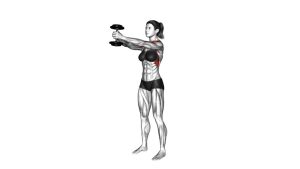
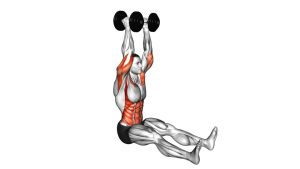
Dumbbell Standing Palms-In Press
This exercise works best when you stay tall and avoid turning it into a standing incline press. Keep the motion strict, use a controlled tempo, and press through a comfortable overhead path. The neutral grip can feel more shoulder-friendly for lifters who dislike the joint position of a traditional palms-forward dumbbell press.
Quick Overview
| Body Part | Front Shoulders |
|---|---|
| Primary Muscle | Anterior deltoids |
| Secondary Muscle | Lateral deltoids, triceps, upper chest, upper traps (stabilizing) |
| Equipment | Pair of dumbbells |
| Difficulty | Beginner to Intermediate |
Sets & Reps (By Goal)
- Muscle growth: 3-4 sets × 8-12 reps with 60-90 seconds rest
- Strength focus: 4-5 sets × 4-8 reps with 90-150 seconds rest
- Technique practice: 2-3 sets × 10-15 reps with light-to-moderate weight
- Shoulder finisher: 2-3 sets × 12-15 reps with controlled tempo and short rest
Progression rule: Add reps first, then increase load once you can press cleanly without leaning back or losing your neutral wrist and elbow alignment.
Setup / Starting Position
- Stand tall: Place your feet about hip-width to shoulder-width apart and distribute your weight evenly.
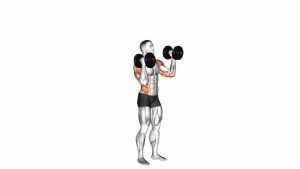
- Hold the dumbbells at shoulder level: Bring the weights up so the handles sit just outside the shoulders.
- Use a neutral grip: Keep your palms facing each other rather than turning them forward.
- Brace your torso: Tighten your abs and glutes so your ribcage stays stacked over your pelvis.
- Set elbow position: Keep the elbows slightly in front of the body instead of flaring them straight out to the sides.
Tip: Before you press, think “stand tall, ribs down, wrists stacked.” That simple setup cue helps keep the movement strict.
Execution (Step-by-Step)
- Start from shoulder height: Begin with the dumbbells under control and your forearms nearly vertical.
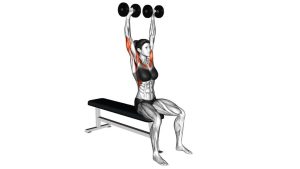
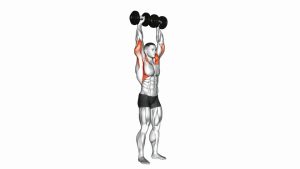
- Press upward: Drive the dumbbells overhead in a smooth line while keeping the palms facing each other.
- Keep the torso steady: Avoid arching your lower back or using your legs to create momentum.
- Finish overhead: Bring the dumbbells to the top under control with the arms extended and shoulders active, but do not slam into lockout.
- Lower slowly: Bring the dumbbells back to shoulder height with control, keeping the elbows slightly forward and the wrists neutral.
- Repeat evenly: Maintain the same path and tempo on every rep without letting the weights drift too far forward or outward.
Pro Tips & Common Mistakes
- Keep the grip neutral: Let the palms-in position guide a more natural pressing path.
- Do not lean back: Excessive backward lean shifts the movement toward upper chest and increases lower-back strain.
- Press under control: Avoid bouncing out of the bottom or rushing the eccentric.
- Keep wrists stacked: Do not let the hands fold backward under the dumbbells.
- Do not flare the elbows too early: Keeping them slightly forward usually feels cleaner and safer.
- Use full-body tension: Strong glutes and abs make overhead pressing more stable and efficient.
- Avoid ego loading: This movement looks simple, but too much weight quickly turns it into a sloppy standing press.
FAQ
What muscles does the Dumbbell Standing Palms-In Press work?
It mainly targets the front delts, while the triceps and side delts assist during the press. Your core and upper back also help stabilize the movement.
Is the palms-in press better than a regular dumbbell shoulder press?
Not always better, but often more comfortable. The neutral grip can feel more natural on the shoulders and may be a good option for lifters who dislike the palms-forward position.
Should I lock out fully at the top?
You can reach full extension, but do it under control. Avoid crashing the dumbbells overhead or shrugging aggressively just to finish the rep.
Can beginners use this exercise?
Yes. It is a beginner-friendly shoulder press variation as long as the weight is light enough to keep the torso stable and the movement strict.
What is the most common mistake?
The biggest mistake is leaning back too much. That changes the press, reduces shoulder isolation, and places unnecessary stress on the lower back.
Recommended Equipment (Optional)
- Adjustable Dumbbells — ideal for progressive overload without needing a full rack of weights
- Adjustable Weight Bench — useful if you want to alternate between seated and standing shoulder pressing variations
- Resistance Band Set — great for shoulder warm-ups, activation drills, and accessory work between pressing sessions
- Lifting Wrist Wraps — helpful for lifters who want extra wrist support during heavier pressing work
- Home Gym Workout Mirror — useful for checking pressing path, torso position, and elbow alignment during sets
Choose equipment that improves control, stability, and progression. For most lifters, a good pair of adjustable dumbbells is the best first upgrade.