Elbow Touch and Press-Up: Form, Muscles Worked, Sets, Tips & FAQ
Learn how to do the Elbow Touch and Press-Up with proper form. Discover muscles worked, setup, step-by-step execution, sets and reps by goal, common mistakes, FAQs, and recommended equipment.
Elbow Touch and Press-Up
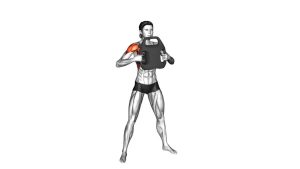
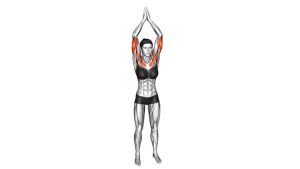
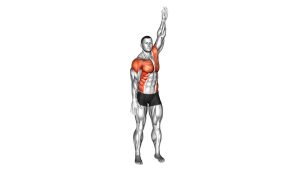
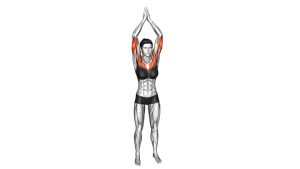
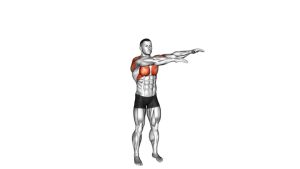
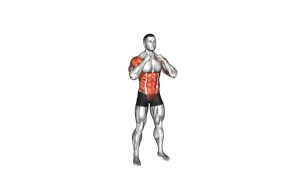
This exercise works best when you focus on clean shoulder motion, steady tempo, and full-body control. It can be used as a warm-up drill, a light shoulder finisher, or a beginner-friendly movement for training overhead mechanics without external load. You should feel the front of the shoulders working, with a mild squeeze through the upper chest as the elbows meet in front of the body.
Quick Overview
| Body Part | Front Shoulders |
|---|---|
| Primary Muscle | Anterior deltoids (front delts) |
| Secondary Muscle | Upper chest, triceps, serratus anterior, shoulder stabilizers |
| Equipment | None |
| Difficulty | Beginner |
Sets & Reps (By Goal)
- Warm-up / activation: 2–3 sets × 10–15 reps with slow, controlled motion
- Shoulder endurance: 2–4 sets × 12–20 reps with short rest periods
- Technique practice: 2–3 sets × 8–12 reps with a pause when the elbows touch
- Light finisher: 1–2 sets × 15–25 reps performed smoothly without rushing
Progression rule: First improve control, range, and tempo. Then add reps or longer pauses before increasing difficulty with external resistance.
Setup / Starting Position
- Stand tall: Place your feet about hip-width apart and keep your posture stacked from ankles to head.
- Brace the core: Tighten the abs lightly so the ribs stay down and the lower back does not overarch.
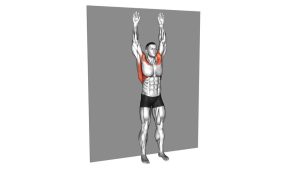
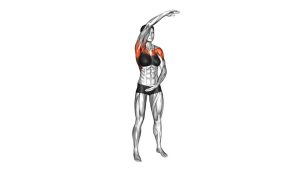
- Raise the arms overhead: Start with the arms extended above you in a comfortable overhead position.
- Keep the neck relaxed: Avoid shrugging the shoulders up toward the ears before the rep even begins.
- Set a controlled tempo: Think smooth and deliberate rather than fast and sloppy.
Tip: If overhead mobility is limited, shorten the range slightly and focus on clean elbow tracking instead of forcing a perfect lockout.
Execution (Step-by-Step)
- Begin overhead: Start with the arms extended above the head and the torso upright.
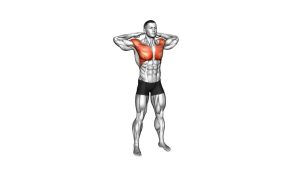
- Lower the arms under control: Bend the elbows and bring them down and inward in front of the body.
- Touch the elbows together: Bring the elbows as close together as your shoulder mobility allows while staying relaxed through the neck.
- Pause briefly: Hold the elbow-touch position for a moment to increase control and tension.
- Press back up: Drive the arms upward again until you return to the overhead position.
- Repeat smoothly: Continue for the target reps without using body swing or a jerky rhythm.
Pro Tips & Common Mistakes
- Keep the ribs down: Don’t turn the overhead press into a lower-back lean.
- Move slowly: This exercise gets better when the elbows and hands travel with control.
- Let the shoulders work: Avoid using momentum from the torso or knees.
- Touch with control, not force: Bring the elbows together gently instead of slamming them inward.
- Don’t shrug excessively: Keep the neck long and the traps from taking over.
- Use it strategically: It fits well before pressing workouts, shoulder circuits, or posture-focused upper-body sessions.
FAQ
What muscles does the Elbow Touch and Press-Up work?
It mainly targets the front delts, while the upper chest, triceps, and shoulder stabilizers assist during the movement.
Is this a good beginner shoulder exercise?
Yes. Because it uses bodyweight only, it can be a beginner-friendly option for learning shoulder control, warming up before training, or adding extra volume without heavy loading.
Should I move fast or slow?
A slow-to-moderate tempo is usually best. Moving too fast makes it easier to lose tension, arch the back, and turn the exercise into a momentum-based swing.
Where should I feel it most?
Most people feel it in the front of the shoulders, with some additional tension in the upper chest when the elbows come together.
Can I use this as a warm-up before overhead pressing?
Absolutely. It works well as a low-load warm-up drill to rehearse overhead motion, wake up the shoulders, and improve control before heavier pressing.
Recommended Equipment
- Shoulder Resistance Bands — useful for shoulder activation, warm-ups, and adding light resistance to upper-body training
- Resistance Bands with Handles — versatile for presses, raises, and general shoulder accessory work at home
- Mobility Bands — helpful for shoulder mobility drills, stretching, and controlled movement prep
- Yoga Mat with Resistance Bands Set — a practical home-training setup for warm-ups, mobility, and light bodyweight sessions
- Pilates Bar Kit with Resistance Bands — adds more home-gym options for pressing, shoulder endurance, and upper-body control work
Tip: Because this exercise is bodyweight-based, equipment is optional. These tools are most useful if you want to expand your shoulder warm-up, mobility, and resistance-training options.