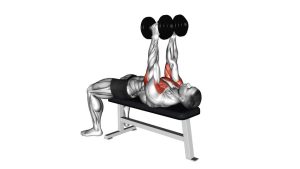
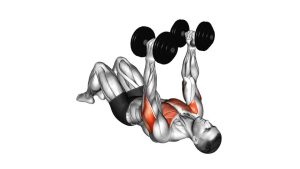
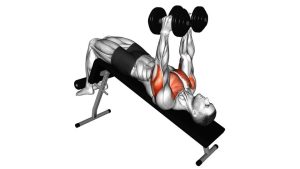
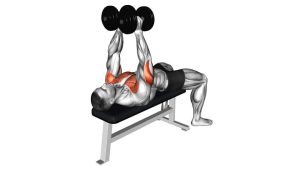
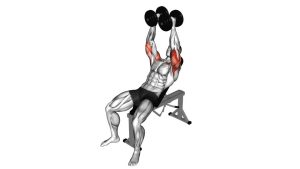
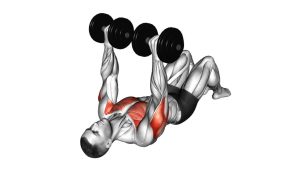
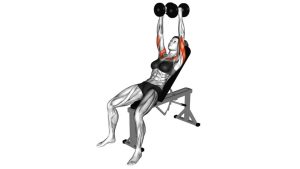
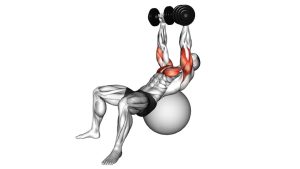
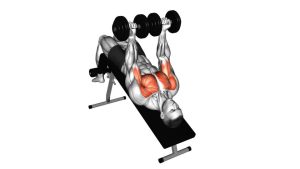
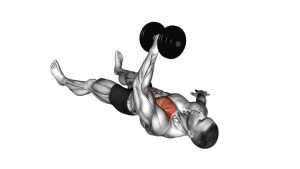
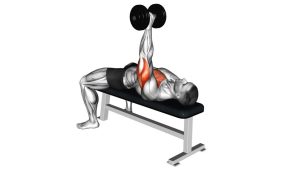
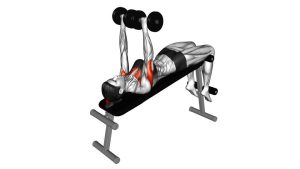
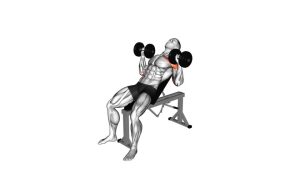
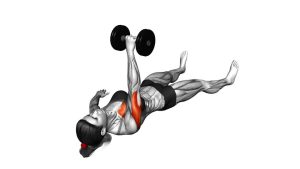
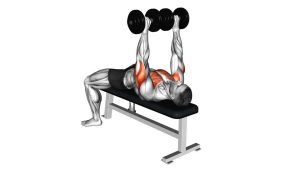
Dumbbell Decline Bench Press: Proper Form, Sets, Benefits & Tips
Learn how to perform the dumbbell decline bench press with proper form to build lower chest strength and size. Includes setup, execution, sets by goal, common mistakes, FAQs, and equipment tips.
Dumbbell Decline Bench Press
This lift is best performed with a secure decline setup and a smooth tempo. Aim for a stable ribcage, shoulders pinned back, and a controlled dumbbell path that presses slightly up and in. Avoid rushing the bottom—your chest should feel the stretch, not your shoulder joints.
Quick Overview
| Body Part | Chest |
|---|---|
| Primary Muscle | Lower pectoralis major (sternal fibers emphasis) |
| Secondary Muscle | Triceps, anterior deltoids, serratus (stability), forearms/grip |
| Equipment | Dumbbells + decline bench (optional: wrist wraps) |
| Difficulty | Intermediate (requires stable setup + controlled depth) |
Sets & Reps (By Goal)
- Muscle growth (hypertrophy): 3–5 sets × 8–12 reps (60–120 sec rest)
- Strength focus: 3–6 sets × 4–8 reps (2–3 min rest)
- Endurance / pump: 2–4 sets × 12–20 reps (45–75 sec rest)
- Beginner-to-intermediate technique: 2–3 sets × 8–10 reps (slow tempo, perfect control)
Progression rule: Add reps first until you hit the top of the range with clean form. Then increase dumbbell load by the smallest jump you can manage. Keep every rep smooth—no bouncing or shoulder shifting.
Setup / Starting Position
- Set the bench: Use a decline bench with firm leg pads. Choose a moderate decline—avoid extreme angles if your shoulders or lower back are sensitive.
- Get the dumbbells into position: Sit with the dumbbells on your thighs. Lean back carefully and “kick” each dumbbell into place one at a time as you lie down.
- Anchor your legs: Lock your feet under the pads so your body is stable and you don’t slide.
- Build a strong upper-back base: Pull your shoulder blades back and down (retract + depress). Keep the chest tall without over-arching.
- Grip + alignment: Hold dumbbells above the lower chest line with wrists stacked over elbows. Use a neutral-to-slightly-pronated grip—whatever feels most stable and pain-free.
Tip: A slight inward angle at the top is fine, but don’t smash the dumbbells together. Keep tension in the chest and control the path.
Execution (Step-by-Step)
- Start strong: Dumbbells over the lower chest. Shoulder blades pinned, core braced, feet locked under the pads.
- Lower with control: Inhale as you bring the dumbbells down in a smooth arc. Keep elbows slightly tucked (about 30–60° from your torso), not flared wide.
- Hit a safe bottom: Lower until you feel a deep chest stretch without shoulder discomfort. Your forearms should stay mostly vertical.
- Press up and slightly in: Exhale and drive the dumbbells upward. Think “push the bench away” while keeping shoulders down.
- Finish steady: Near the top, pause briefly with dumbbells stable and chest tight—no shrugging, no wobble.
Pro Tips & Common Mistakes
Pro Tips
- Think “lower chest line”: Press above the lower chest, not toward your chin.
- Use a smooth arc: Dumbbells come down slightly wider and press up slightly inward.
- Own the bottom: Stop at a depth that keeps shoulders comfortable and stable.
- Stay tight: Shoulder blades back/down the whole set; ribs controlled (don’t flare dramatically).
- Train symmetry: If one side lags, slow the lowering phase and match both dumbbells rep-for-rep.
Common Mistakes
- Elbows flaring hard: Often leads to shoulder stress and less chest tension.
- Going too deep: Forcing extreme ROM can shift stress to shoulders—reduce depth if needed.
- Bouncing reps: Using momentum removes tension and increases joint strain.
- Wrists collapsing back: Keep wrists stacked over elbows to protect joints and improve force transfer.
- Unstable setup: If legs aren’t locked in, you’ll slide and lose pressing power.
FAQ
What part of the chest does the dumbbell decline press target most?
The decline angle shifts emphasis toward the lower chest (sternal fibers). You’ll still use triceps and front delts, but the pressing line and torso angle bias the lower pec region.
Should the dumbbells touch at the top?
Not required. Bringing them slightly closer is fine, but don’t smash them together. Keep tension in the chest and maintain a stable shoulder position.
How deep should I lower the dumbbells?
Lower until you feel a strong chest stretch while the shoulders stay stable and pain-free. If your shoulders pinch, reduce depth and keep the elbows slightly more tucked.
Is this better than a barbell decline press?
Dumbbells often feel more natural and can improve symmetry due to independent arm paths. Barbells usually allow heavier loading. Many lifters rotate both depending on goals and comfort.
What if I don’t have a decline bench?
You can mimic a similar emphasis using decline push-ups or a high-to-low cable fly. If you only have a flat bench, you can still build the chest effectively—decline is just one useful variation.
Recommended Equipment (Optional)
- Adjustable Decline Weight Bench — stable decline angles for pressing variations
- Adjustable Dumbbells — space-saving load options for progressive overload
- Dumbbell Rack / Storage Stand — safer setup and faster weight changes
- Wrist Wraps (Lifting) — optional support if wrists fatigue on heavier presses
- Resistance Bands Set — great for warm-ups (band pull-aparts) and chest accessory work
Tip: Prioritize a stable bench first. A secure setup improves performance and safety more than any accessory.