Shoulder Abduction: Proper Form, Muscles Worked, Sets, Tips & FAQ
Learn how to perform Shoulder Abduction with proper form to target the lateral deltoids, improve shoulder control, and build stronger, healthier shoulders. Includes setup, execution steps, sets by goal, mistakes to avoid, FAQs, and recommended equipment.
Shoulder Abduction
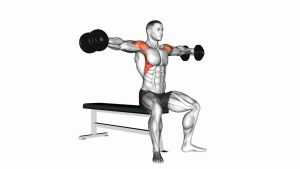
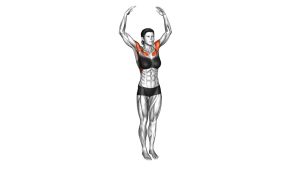
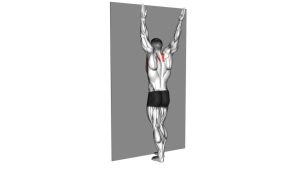
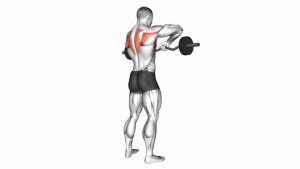
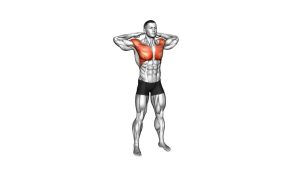
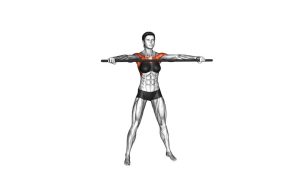
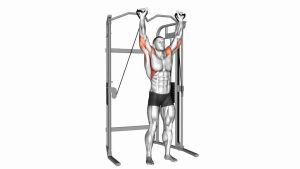
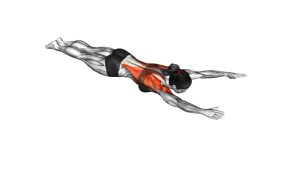
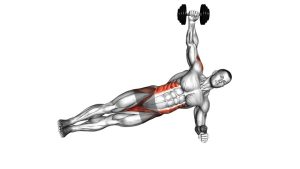
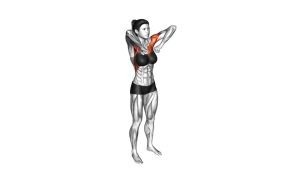
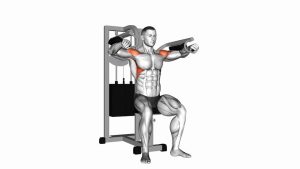
Shoulder abduction can be used as a pure muscle-building movement, a shoulder-control drill, or a rehab-style pattern depending on the load and setup. Performed correctly, it emphasizes the middle deltoid while the rotator cuff and scapular stabilizers support the motion. The movement should feel smooth and controlled, not jerky, shrugged, or momentum-driven.
Quick Overview
| Body Part | Side Shoulders |
|---|---|
| Primary Muscle | Lateral deltoid (middle deltoid) |
| Secondary Muscle | Supraspinatus, upper traps, serratus anterior, rotator cuff stabilizers |
| Equipment | None, light dumbbells, resistance bands, cable, or rehab pulley variation |
| Difficulty | Beginner to Intermediate |
Sets & Reps (By Goal)
- Muscle growth: 3–4 sets × 10–20 reps with controlled tempo and light-to-moderate load
- Shoulder endurance: 2–4 sets × 15–25 reps using smooth, strict form
- Movement control / rehab-style work: 2–3 sets × 8–15 reps with very light resistance and pain-free range
- Warm-up activation: 1–3 sets × 10–15 reps before pressing or upper-body training
Progression rule: First improve range control, tempo, and shoulder comfort. Then increase reps. Add load only when you can raise and lower the arm without shrugging, swinging, or losing position.
Setup / Starting Position
- Stand tall or sit upright: Keep your ribs stacked over your hips and your core lightly braced.
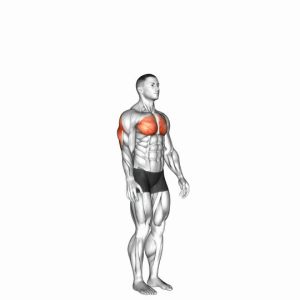
- Start with the arm by your side: Your palm can face inward and the elbow can stay slightly bent.
- Set the shoulder gently: Keep the shoulder down and relaxed instead of shrugging it upward.
- Choose your resistance: Use bodyweight for pure patterning or light dumbbells/bands for loading.
- Work in a pain-free arc: Lift only through the range you can control cleanly.
Tip: A slight bend in the elbow usually makes the motion feel smoother and reduces unnecessary joint stress.
Execution (Step-by-Step)
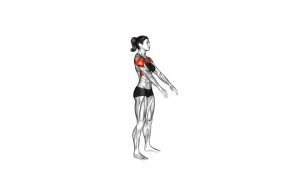
- Initiate the raise: Move the arm out to the side in the frontal plane with slow, deliberate control.
- Lead with the upper arm: Think about lifting from the shoulder rather than flicking the hand upward.
- Keep the torso quiet: Avoid leaning, twisting, or using momentum to assist the rep.
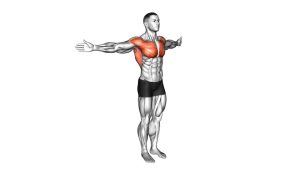
- Lift to a controlled top position: Raise the arm to about shoulder height, or slightly below if that feels better for your joint.
- Pause briefly: Hold the top for a moment while keeping tension on the side delt.
- Lower slowly: Bring the arm back down under control instead of letting gravity drop it.
- Repeat evenly: Match the same path and tempo on every rep.
Pro Tips & Common Mistakes
- Use light resistance well: Shoulder abduction responds best to precision, not ego loading.
- Keep the trap quiet: Don’t shrug the shoulder toward the ear as the arm rises.
- Stop the swing: Momentum shifts tension away from the deltoid and makes the exercise less effective.
- Don’t force height: Shoulder-height is enough for most people; higher is not automatically better.
- Control the eccentric: The lowering phase helps build stability and muscle tension.
- Maintain a soft elbow: A slight bend protects the joint and improves movement mechanics.
- Respect shoulder comfort: If a straight side raise feels awkward, test a slightly adjusted arm path and reduce load.
FAQ
What muscles does shoulder abduction work?
The main muscle is the lateral deltoid. The supraspinatus, rotator cuff, and scapular stabilizers also assist and stabilize the movement.
Should I raise my arm above shoulder height?
Not necessarily. For many lifters, stopping around shoulder height keeps the exercise cleaner and more comfortable. Use the range that lets you move without pain or compensation.
Why do I feel my traps more than my side delts?
Usually because the weight is too heavy, the shoulder is shrugging, or momentum is taking over. Reduce the load, slow the rep down, and focus on keeping the shoulder down as the arm lifts.
Is shoulder abduction good for rehab?
It can be useful in a rehab or reconditioning context when performed with very light resistance and within a pain-free range. If you are recovering from injury, use professional guidance when needed.
Can beginners use this exercise for shoulder growth?
Yes. It is one of the best beginner-friendly ways to target the side delts, provided the weight stays manageable and the movement stays strict.
Recommended Equipment (Optional)
- Adjustable Dumbbell — versatile for progressive shoulder abduction and many other upper-body movements
- Resistance Loop Bands Set — ideal for light resistance, warm-ups, rehab-style work, and travel training
- Adjustable Wrist / Ankle Weights — useful for low-load abduction drills when dumbbells feel too jumpy
- Over-the-Door Shoulder Pulley — helpful for mobility-focused and rehab-style shoulder abduction practice
- Shoulder Workout Bands — convenient for home training and controlled shoulder-strength work
Choose equipment based on your goal: dumbbells for hypertrophy, bands for smooth resistance, wearable weights for low-load control, and pulleys for gentle rehab-style shoulder range work.