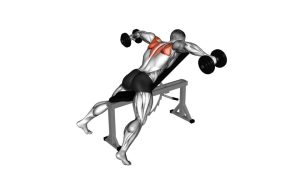
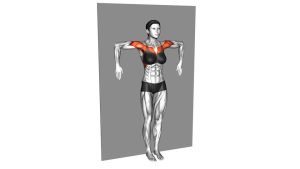
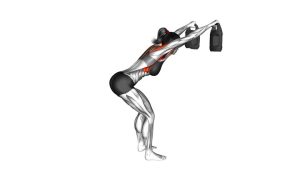
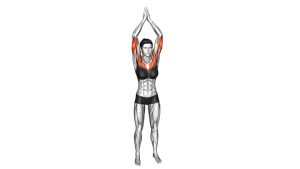
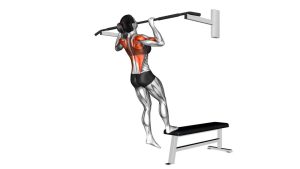
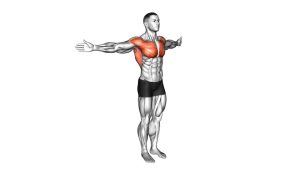
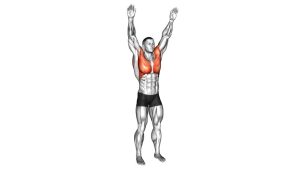
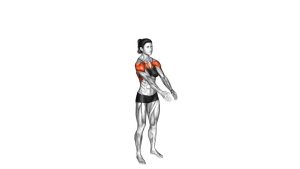
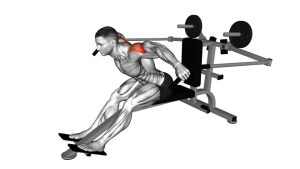
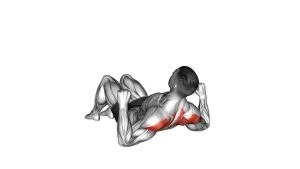
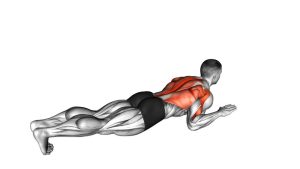
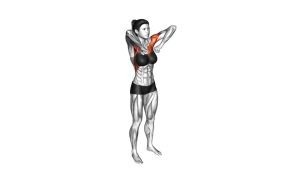
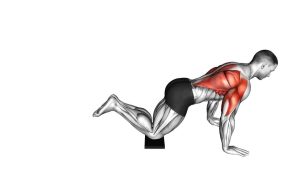
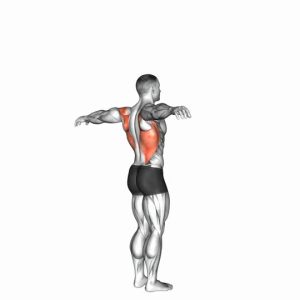
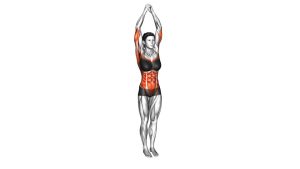
Shoulder Extension: Form, Muscles Worked, Sets, Tips & FAQ
Learn how to perform Shoulder Extension with proper form to strengthen the rear shoulders, lats, and upper-back support muscles. Includes setup, execution, sets by goal, common mistakes, FAQs, and recommended equipment.
Shoulder Extension
This exercise works best when you keep the movement controlled and stay within a comfortable range. You should feel the back side of the shoulders, the lats, and the muscles around the shoulder blades helping guide the arms backward. It should not feel like a hard lower-back arch, aggressive shoulder pinching, or neck tension. If the movement feels awkward, painful, or forced, reduce the range and slow it down.
Quick Overview
| Body Part | Shoulders |
|---|---|
| Primary Muscle | Posterior deltoid (rear delts) |
| Secondary Muscle | Latissimus dorsi, teres major, long head of triceps, rhomboids, middle/lower traps |
| Equipment | None required (optional: resistance bands, cable station, shoulder pulley) |
| Difficulty | Beginner — easy to learn, but best results come from control and posture awareness |
Sets & Reps (By Goal)
- Mobility practice: 2–3 sets × 10–15 reps with a slow, easy range
- Activation before upper-body training: 2–4 sets × 8–12 reps with controlled tempo
- Posture / shoulder control: 2–3 sets × 10–12 reps with a 1–2 second pause behind the body
- Rehab-style light work: 1–3 sets × 8–10 reps with very gentle range and no pain
Progression rule: First improve control, range, and smoothness. Then add light resistance such as a band or cable only if you can maintain clean shoulder mechanics.
Setup / Starting Position
- Stand tall: Place your feet about hip-width apart with your knees soft and your core lightly braced.
- Set your posture: Keep your ribs stacked over your hips and avoid flaring the chest up too much.
- Position the arms: Begin with the arms overhead or slightly in front of the body, depending on the variation you are using.
- Keep the elbows long: Maintain mostly straight arms without locking them aggressively.
- Relax the neck: Shoulders stay down and away from the ears throughout the rep.
Tip: If you are new to the pattern, practice in front of a mirror to make sure the arms move back without the lower back arching excessively.
Execution (Step-by-Step)
- Start tall and braced: Keep your chest lifted naturally, abs engaged, and head neutral.
- Move the arms backward: Sweep the arms down and back behind the torso in a controlled arc.
- Lead from the shoulders: Think about pulling from the rear shoulders and lats rather than swinging from momentum.
- Pause briefly: At the end range, stop for 1–2 seconds without shrugging or forcing the joint.
- Return smoothly: Bring the arms back to the start under control and repeat.
Pro Tips & Common Mistakes
- Keep the torso still: Don’t turn a shoulder drill into a back-bending exercise.
- Use a smaller range if needed: Shoulder extension does not need to be extreme to be effective.
- Don’t shrug: Keep the upper traps relaxed and let the rear delts and lats do the work.
- Avoid elbow bending: Too much elbow flexion can shift the focus away from the shoulder pattern.
- Pause with control: A short hold behind the body improves awareness and muscle engagement.
- Pair it wisely: This movement fits well with rows, face pulls, band pull-aparts, and other posture-friendly upper-back work.
FAQ
What muscles does shoulder extension work most?
Shoulder extension mainly targets the rear delts and lats, while the triceps long head and upper-back stabilizers help support the movement.
Is shoulder extension a mobility exercise or a strength exercise?
It can be both. With no load, it works well as a mobility and control drill. With bands or cables, it can become a light strength exercise.
Should I feel this in my lower back?
No. Your lower back should stay stable. If you feel most of the effort there, you are probably arching too much instead of moving cleanly from the shoulders.
Can beginners do shoulder extension safely?
Yes, as long as the range stays comfortable and controlled. Beginners should focus on posture, smooth reps, and avoiding forced end-range positions.
What if I feel pinching in the front of my shoulder?
Reduce the range immediately and reassess your posture. If the pinching continues, stop the exercise and avoid forcing the shoulder into a range it cannot control comfortably.
Recommended Equipment
- Resistance Bands Set with Door Anchor — useful for adding light resistance to shoulder extension and other posture-focused upper-body drills
- Heavy-Duty Door Anchor — helps create a better training angle for banded shoulder extension at home
- Shoulder Pulley for Physical Therapy — a simple tool for gentle shoulder range-of-motion work and rehab-style movement practice
- High-Density Foam Roller — useful for upper-back mobility work that can improve shoulder position during extension drills
- Dynamic Posture Trainer — can be used as a posture-awareness tool alongside strengthening and mobility work
Tip: Start with the lightest resistance possible. Shoulder extension should feel controlled and smooth, not strained or jerky.