Dumbbell Curl to Press: Proper Form, Muscles Worked, Sets, Tips & FAQ
Learn how to do the Dumbbell Curl to Press with proper form. Discover muscles worked, setup, execution steps, sets and reps by goal, common mistakes, FAQs, and recommended equipment.
Dumbbell Curl to Press
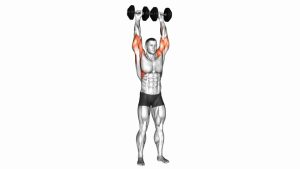
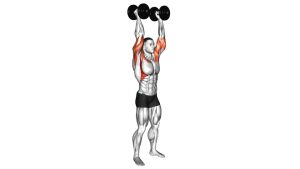
This movement works best when each phase stays controlled and deliberate. First, curl the dumbbells to shoulder height with the elbows close to your sides. Then rotate the palms forward and press the weights overhead in a smooth line. Because two movements are combined into one rep, the exercise is excellent for building efficient upper-body strength and muscular coordination.
Quick Overview
| Body Part | Shoulders |
|---|---|
| Primary Muscle | Anterior deltoids |
| Secondary Muscle | Biceps brachii, lateral deltoids, triceps, forearms, core stabilizers |
| Equipment | Dumbbells |
| Difficulty | Beginner to Intermediate |
Sets & Reps (By Goal)
- General strength: 3–4 sets × 5–8 reps
- Muscle building: 3–4 sets × 8–12 reps
- Muscular endurance: 2–3 sets × 12–15 reps
- Conditioning / upper-body circuit: 2–4 sets × 10–15 reps with lighter dumbbells
Progression rule: Increase the dumbbell weight only when you can curl and press without body swing, torso lean, or loss of control in the lowering phase.
Setup / Starting Position
- Stand tall: Place your feet about hip-width to shoulder-width apart for a stable base.
- Hold the dumbbells at your sides: Start with a neutral grip, palms facing inward.
- Brace your torso: Keep your core engaged, chest lifted, and shoulders pulled gently down and back.
- Keep the head neutral: Avoid jutting the chin forward or arching the neck.
- Start from stillness: Do not use a dip, bounce, or leg drive to begin the curl.
Execution (Step-by-Step)
- Curl the dumbbells up: Bend the elbows and raise the weights toward shoulder height under control.
- Rotate into pressing position: At the top of the curl, turn the palms forward so the dumbbells align near the shoulders.
- Press overhead: Drive the dumbbells upward until your arms are nearly straight overhead.
- Pause briefly at the top: Stabilize the weights without shrugging excessively or leaning back.
- Lower to shoulder level: Bring the dumbbells back down under control to the rack position.
- Rotate and lower: Turn the palms back inward as you lower the dumbbells to the starting position.
- Repeat smoothly: Each rep should look like one continuous curl-to-press sequence.
Pro Tips & Common Mistakes
- Keep the curl strict: Do not swing the dumbbells up with the hips.
- Rotate smoothly: Transition the wrists gradually from neutral to palms-forward at shoulder level.
- Press in a vertical path: Keep the dumbbells stacked over your shoulders at the top.
- Control the lowering phase: The eccentric helps build strength and protects the shoulders.
- Brace the core: Avoid over-arching the lower back during the overhead press.
- Use appropriate load: Your curl strength is often lower than your press strength, so choose a weight you can curl well first.
- Avoid rushing reps: Fast, sloppy transitions usually reduce tension on the target muscles.
FAQ
What muscles does the Dumbbell Curl to Press work?
It mainly targets the anterior deltoids during the press and the biceps during the curl. The lateral deltoids, triceps, forearms, and core stabilizers also assist.
Is the Dumbbell Curl to Press good for beginners?
Yes, provided the weight is light enough to keep the curl strict and the press stable. Beginners should focus on clean mechanics before trying to go heavier.
Should I do this exercise for strength or hypertrophy?
It works for both. Lower rep ranges with heavier dumbbells can build strength, while moderate rep ranges are excellent for hypertrophy and upper-body conditioning.
Why do I feel my lower back during the press?
This usually happens when the dumbbells are too heavy, the core is not braced, or the lifter leans back to finish the overhead portion. Reduce the load and keep your ribs stacked over your hips.
Can I do the Curl to Press seated?
Yes. A seated version can reduce momentum and make it easier to focus on the shoulders and arms, though it also changes the stability demands slightly.
Recommended Equipment
- Adjustable Dumbbells — the most useful option for progressing the curl and press without needing multiple fixed pairs
- Adjustable Weight Bench — helpful if you want seated pressing variations or extra support during upper-body training
- Wrist Wraps — useful for lifters who want extra wrist support during the press portion
- Resistance Bands Set — good for warm-ups, shoulder activation, and lighter overhead pressing alternatives
- Light Neoprene Dumbbells — ideal for beginners practicing clean technique before moving to heavier loads
Tip: Start lighter than you think. Since the curl is usually the limiting factor, the best weight is the one you can curl cleanly and still press overhead without compensating.