Resistance Band Pull-Apart: Proper Form, Sets, Benefits & FAQ
Learn how to do the Resistance Band Pull-Apart with proper form to strengthen the rear delts, upper back, and shoulder stabilizers. Includes setup, execution steps, sets by goal, mistakes, FAQs, and recommended Amazon equipment.
Resistance Band Pull-Apart
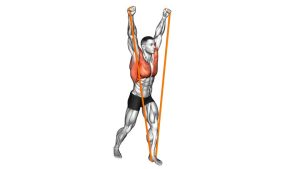
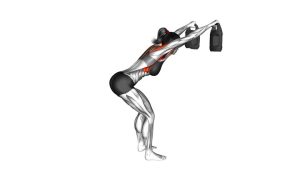
This exercise works best when performed with light-to-moderate resistance and strict control. You should feel the movement mainly in the rear shoulders and mid-upper back, not in the neck or lower back. The goal is to separate the hands by using the shoulders and upper back, while keeping the ribcage down and the motion smooth from start to finish.
Quick Overview
| Body Part | Shoulders |
|---|---|
| Primary Muscle | Rear deltoids |
| Secondary Muscle | Rhomboids, middle trapezius, rotator cuff stabilizers |
| Equipment | Resistance band |
| Difficulty | Beginner |
Sets & Reps (By Goal)
- Warm-up / activation: 2–3 sets × 12–20 reps with light resistance
- Muscle endurance / posture work: 2–4 sets × 15–25 reps with strict form
- Shoulder stability: 3–4 sets × 10–15 reps with a 1–2 second squeeze at peak contraction
- Accessory hypertrophy work: 3–4 sets × 12–20 reps with controlled tempo and no momentum
Progression rule: Increase total reps first, then slightly increase band tension only if you can keep the shoulders down and the band path level.
Setup / Starting Position
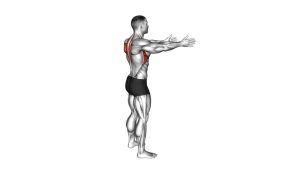
- Stand tall: Place your feet about hip-width apart and keep your knees softly unlocked.
- Brace lightly: Engage your core and keep your ribcage stacked over your hips.
- Grip the band: Hold the resistance band with both hands at about shoulder width or slightly wider.
- Raise the arms: Extend your arms straight in front of your chest at shoulder height.
- Create light tension: Start with the band already slightly stretched so the movement begins under control.
Tip: A lighter band is usually better for cleaner rear-delt activation and better scapular movement.
Execution (Step-by-Step)
- Start steady: Keep your chest up, shoulders relaxed, and arms level with the floor.
- Pull the band apart: Move your hands outward in a horizontal line until the band reaches your upper chest.
- Squeeze the upper back: As the band opens, let the shoulder blades draw together without shrugging upward.
- Pause briefly: Hold the fully opened position for 1–2 seconds while maintaining tension.
- Return slowly: Bring your hands back to the starting position under control without letting the band snap back.
- Repeat: Perform all reps with the same height, tension, and tempo.
Pro Tips & Common Mistakes
- Keep the band path level: Pull straight across at chest or shoulder height rather than drifting up or down.
- Use a soft elbow bend: Locking the elbows too hard can create unnecessary joint tension.
- Don’t shrug: Keep the upper traps relaxed so the rear delts and mid-back do the work.
- Control the eccentric: The return phase is just as important as the pull.
- Don’t over-arch the lower back: Stay stacked through the torso and avoid rib flare.
- Choose the right resistance: If you need momentum to finish the rep, the band is too strong.
- Think “spread the band”: This cue usually works better than “pull with the arms.”
FAQ
What muscles does the resistance band pull-apart work most?
It primarily targets the rear deltoids, while also training the rhomboids, middle traps, and smaller shoulder stabilizers that help with posture and scapular control.
Is the resistance band pull-apart a shoulder or back exercise?
It is both, but it is most often used as a rear shoulder and upper-back accessory exercise. It bridges shoulder training and posture-focused upper-back work very well.
How heavy should the band be?
Start with a light band. Most people get better results from higher-quality reps and stronger contraction rather than from using a heavy band that forces momentum or shoulder shrugging.
Can I do band pull-aparts every day?
Many people can perform them frequently because the exercise is low impact. They are commonly used in warm-ups, posture routines, and upper-body activation sessions.
Why do I feel it in my neck instead of my rear delts?
That usually means you are shrugging, lifting the shoulders, or using too much tension. Lower the resistance, relax the traps, and keep the shoulder blades moving smoothly.
Recommended Equipment
- Loop Resistance Bands / Pull-Up Assist Bands — great for pull-aparts because they provide smooth tension and multiple resistance options
- Resistance Bands Set with Door Anchor — useful if you want one set for pull-aparts plus rows, presses, and face pulls
- Physical Therapy Resistance Bands — ideal for beginners, rehab-style shoulder work, and lighter activation sessions
- Door Anchor for Resistance Bands — optional accessory that expands your band training beyond pull-aparts
- Shoulder Rehabilitation Band Systems — useful for shoulder-health routines, mobility work, and gradual resistance progressions
Tip: For this exercise specifically, a lighter band usually gives the best shoulder position, cleaner range, and better rear-delt activation.