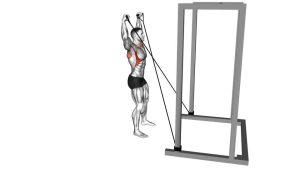
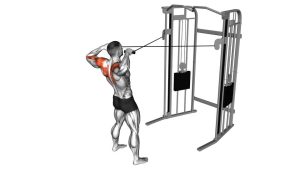
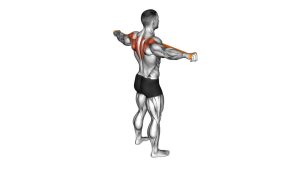
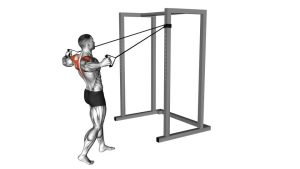
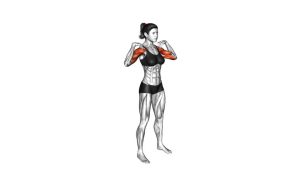
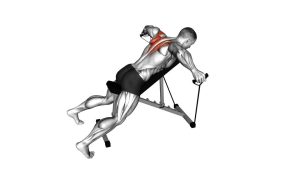
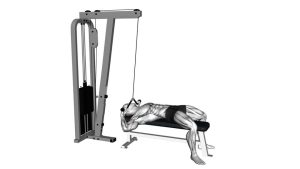
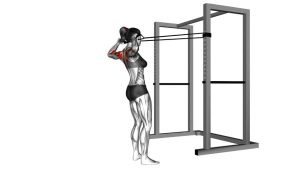
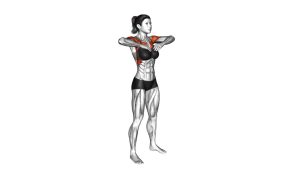
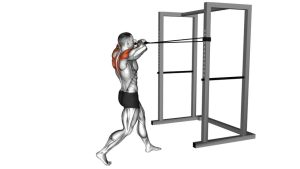
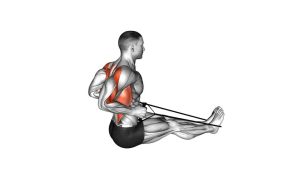
Resistance Band Half-Kneeling Face Pull: Form, Muscles Worked, Sets & Tips
Learn the Resistance Band Half-Kneeling Face Pull for stronger rear delts, upper back, and healthier shoulders. Get step-by-step form cues, sets by goal, mistakes to avoid, FAQs, and recommended equipment.
Resistance Band Half-Kneeling Face Pull
This exercise works best when the movement is smooth, controlled, and deliberate. You should feel the work mostly in the back of the shoulders and upper back, not in the lower back, wrists, or neck. The goal is to pull the band toward your face while keeping the chest lifted, ribs stacked, and shoulders under control.
Quick Overview
| Body Part | Shoulders |
|---|---|
| Primary Muscle | Rear deltoids |
| Secondary Muscle | Rhomboids, middle trapezius, lower traps, rotator cuff, upper back stabilizers, core |
| Equipment | Resistance band with a high anchor point |
| Difficulty | Beginner to Intermediate |
Sets & Reps (By Goal)
- Shoulder health / warm-up: 2–3 sets × 12–20 reps with light resistance and strict control
- Muscle building: 3–4 sets × 10–15 reps with a 1–2 second squeeze at peak contraction
- Posture / stability: 2–4 sets × 12–18 reps with slow tempo and full scapular control
- Recovery / activation work: 2–3 sets × 15–20 easy reps, focusing on movement quality
Progression rule: Increase band tension only when you can keep your torso upright, elbows high, and the return phase slow. Better form beats heavier resistance on face pulls.
Setup / Starting Position
- Anchor the band high: Secure the band slightly above head height so the line of pull angles down toward your face.
- Take a half-kneeling stance: One knee stays on the floor while the opposite foot is planted in front for balance.
- Grip the band evenly: Hold each side of the band with arms extended in front of you.
- Set your torso: Stay tall with ribs down, glutes lightly engaged, and head neutral.
- Brace before you pull: Keep the shoulders down and avoid shrugging before the rep begins.
Tip: Use a pad or folded mat under the down knee if you want more comfort and better stability during longer sets.
Execution (Step-by-Step)
- Start with tension: Move far enough from the anchor so the band is already lightly tensioned with arms extended.
- Pull toward your face: Drive the elbows out and back as you pull the band toward nose, eye, or upper-face level.
- Open the upper back: Let the shoulder blades retract naturally as the band separates and your hands move apart.
- Pause at the finish: Briefly squeeze the rear delts and upper back when your elbows are wide and slightly behind the body.
- Return with control: Extend the arms slowly back to the start without letting the band snap you forward.
- Repeat evenly: Maintain the same torso position and avoid twisting or leaning back for momentum.
Pro Tips & Common Mistakes
- Keep the elbows high: This helps shift the emphasis toward the rear delts and upper back.
- Do not lean back: Stay upright and let the shoulders and scapulae do the work.
- Control the return: The eccentric phase matters for shoulder stability and muscle engagement.
- Avoid shrugging: Excess trap dominance can reduce the quality of the rear-delt contraction.
- Use moderate resistance: Too much tension usually turns the exercise into a sloppy row.
- Brace the core: The half-kneeling stance is there to improve control, not just to look different.
- Keep the wrists neutral: Don’t over-bend them as you pull.
- Match both sides: Keep your pull symmetrical so one arm does not dominate the rep.
FAQ
What muscles does the Resistance Band Half-Kneeling Face Pull work?
It mainly targets the rear delts, while also training the rhomboids, middle traps, lower traps, and smaller shoulder stabilizers.
Why use the half-kneeling stance instead of standing?
Half-kneeling reduces cheating, improves balance and core control, and makes it easier to stay tall without using body swing.
Should I pull to my face or my chest?
Pull toward your face. Pulling to the chest often turns the movement into more of a row and reduces rear-delt emphasis.
Is this a good warm-up exercise?
Yes. It works very well as a shoulder activation drill before presses, rows, pull-ups, or upper-body sessions.
How heavy should the band be?
Use a band that allows clean reps with a pause at the back. If you have to lean back, shrug, or yank the band, it is too heavy.
Recommended Equipment (Optional)
- Resistance Bands Set — useful for adjusting resistance levels as your face pulls get stronger
- Door Anchor for Resistance Bands — creates a reliable high anchor point for cleaner pulling angles
- Pull-Up Assistance Bands — thicker loop bands work well for face pulls, rows, and shoulder activation drills
- Kneeling Pad for Exercise — adds comfort under the down knee during half-kneeling work
- Exercise Balance Pad — useful for extra knee cushioning and small stability challenges
Tip: For this exercise, a light-to-moderate band usually works better than a heavy one. Face pulls are about clean shoulder mechanics, not maximum load.