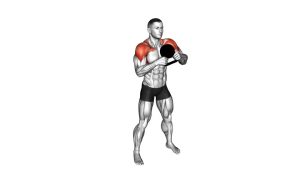
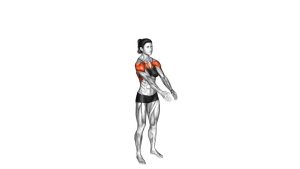
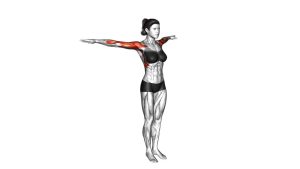
PVC Pass-Through: Proper Form, Shoulder Mobility Benefits, Sets & FAQ
Learn how to do the PVC Pass-Through for better shoulder mobility, chest opening, and overhead range of motion. Includes setup, step-by-step form, sets by goal, mistakes, FAQs, and recommended equipment.
PVC Pass-Through
This exercise is best used as a warm-up, mobility reset, or light movement prep drill. It should feel controlled and progressive, with the shoulders moving through a comfortable arc while the ribs stay down and the lower back stays quiet. If you have to bend your elbows, flare your ribs, or speed through the rep, the grip is probably too narrow.
Quick Overview
| Body Part | Shoulders |
|---|---|
| Primary Muscle | Deltoids and rotator cuff |
| Secondary Muscle | Upper traps, serratus anterior, chest, lats, upper back stabilizers |
| Equipment | PVC pipe, dowel, broomstick, or light resistance band |
| Difficulty | Beginner |
Sets & Reps (By Goal)
- Warm-up before upper-body training: 2–3 sets × 8–12 reps
- Shoulder mobility focus: 2–4 sets × 10–15 slow reps
- Movement prep for overhead work: 2–3 sets × 6–10 reps with a brief pause overhead
- Recovery / posture reset: 1–2 sets × 8–10 easy reps
Progression rule: First improve control and range with a wide grip, then slowly bring the hands closer together over time. Never sacrifice smooth mechanics just to use a narrower grip.
Setup / Starting Position
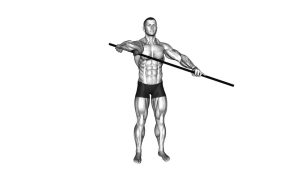
- Stand tall: Place your feet about hip-width apart and keep your posture stacked.
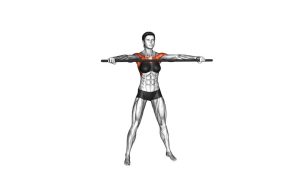
- Take a wide grip: Hold the PVC pipe or stick with both hands well outside shoulder width.
- Arms straight: Keep the elbows mostly locked without hyperextending them.
- Brace lightly: Keep ribs down, core engaged, and glutes lightly tight to prevent lower-back arching.
- Start in front: Position the stick at thigh or hip level in front of your body.
Tip: If the movement feels restricted, widen your grip before attempting another rep.
Execution (Step-by-Step)
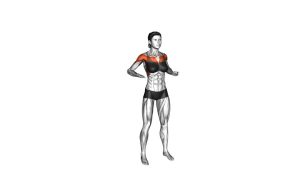
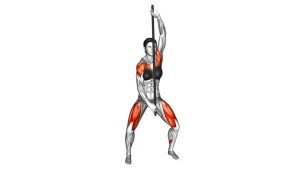
- Raise the stick forward: Lift the stick in a smooth arc from the front of the body toward overhead.
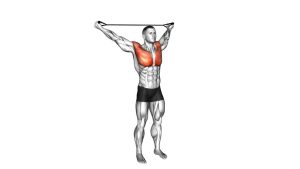
- Pass overhead: Continue moving the stick above the head while keeping the arms straight and shoulders active.
- Move behind the body: If your mobility allows, let the stick travel behind until it reaches glute or lower-back level.
- Reverse the motion: Bring the stick back up behind you, overhead, and down to the starting position in front.
- Repeat smoothly: Perform each rep with control, steady breathing, and no jerking.
Pro Tips & Common Mistakes
- Use a wide grip first: Narrow grips increase the mobility demand fast.
- Keep the elbows straight: Bending the arms usually means you are compensating.
- Do not rush: Fast reps turn a mobility drill into a sloppy swing.
- Keep ribs down: Avoid leaning back or arching the lower spine to fake overhead range.
- Stay pain-free: Stretching tension is fine; pinching or sharp pain is not.
- Use it before pressing or overhead lifting: It pairs well with shoulder warm-ups and thoracic mobility work.
FAQ
What does the PVC Pass-Through improve?
It primarily improves shoulder mobility, especially overhead flexion, chest opening, and shoulder external rotation. It is commonly used before pressing, Olympic lifting, gymnastics, and general upper-body sessions.
Should my elbows stay straight the whole time?
Yes, they should stay mostly straight. Small natural softness is fine, but obvious elbow bending usually means the grip is too narrow or the range is being forced.
How wide should my grip be?
Wide enough that you can move smoothly without pain, rib flare, or elbow bend. Beginners often need a very wide grip at first.
Can I use a resistance band instead of a PVC pipe?
Yes. A light resistance band is a good alternative because it allows a more forgiving range and can feel easier on tight shoulders.
Should I do this every day?
Many people can use it frequently as part of a warm-up or mobility routine, as long as the movement stays easy, controlled, and symptom-free. If you feel irritation building, reduce volume and range.
Recommended Equipment
- Mobility Stick — a simple shoulder-mobility tool for pass-throughs, warm-ups, and flexibility drills
- Polerden Yoga Stick — a dedicated stretching stick that works well for shoulder pass-through patterns
- Adjustable Yoga Stick — adjustable length makes it useful for mobility practice, travel, and general flexibility work
- REP Fitness Cotton Stretching Strap — helpful if you prefer a strap-based version for shoulder mobility and stretching
- Iron Neck Shoulder Resistance Band System — useful for pairing mobility work with shoulder stability and controlled strengthening
Tip: For most people, a basic stick or light band is enough. Choose tools that let you move smoothly and stay within a pain-free range.