Kettlebell Reverse Fly: Proper Form, Rear Delt Tips, Sets & FAQ
Learn how to do the kettlebell reverse fly with proper form to build rear delts, upper back control, and better posture. Includes setup, execution, sets by goal, common mistakes, FAQs, and recommended equipment.
Kettlebell Reverse Fly
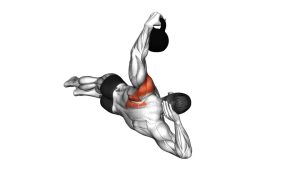
This exercise works best with moderate weight, strict control, and clean shoulder mechanics. You should feel the effort mainly in the rear delts and upper back, not in the lower back or neck. Since the kettlebell’s shape changes the feel of the lift, keep each rep smooth and controlled rather than trying to swing the load.
Quick Overview
| Body Part | Shoulders |
|---|---|
| Primary Muscle | Rear deltoids (posterior deltoids) |
| Secondary Muscle | Rhomboids, middle trapezius, rotator cuff stabilizers |
| Equipment | Kettlebell |
| Difficulty | Beginner to Intermediate |
Sets & Reps (By Goal)
- Muscle growth: 3–4 sets × 10–15 reps, 45–75 seconds rest
- Shoulder control and posture: 2–4 sets × 12–18 reps, slow tempo, 30–60 seconds rest
- Warm-up / activation: 2–3 sets × 12–15 reps with light weight, 30–45 seconds rest
- Strength-endurance: 3 sets × 15–20 reps with strict form and no momentum
Progression rule: Increase reps first, then load. Only move to a heavier kettlebell when you can keep the torso stable and the movement isolated through the shoulders.
Setup / Starting Position
- Hold the kettlebell: Grip the kettlebell securely with one hand or perform both sides one at a time if using a supported position.
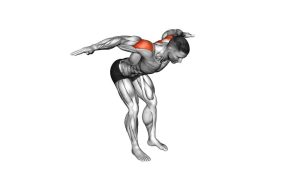
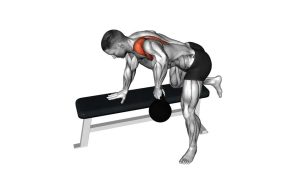
- Hinge at the hips: Push your hips back and lean your torso forward while keeping your chest open and spine neutral.
- Set the shoulders: Let the working arm hang down naturally with a slight elbow bend. Keep the neck relaxed and shoulders away from the ears.
- Brace your core: Tighten the abs lightly to support the lower back and reduce torso sway.
- Find balance: If needed, use the opposite hand on a bench or stable surface for support.
Tip: A supported stance usually makes it easier to focus on the rear delt and reduces cheating through the torso.
Execution (Step-by-Step)
- Start from the bottom: Let the kettlebell hang directly under the shoulder with a soft bend in the elbow.
- Lift outward: Raise the arm out to the side in a wide arc until the upper arm reaches about shoulder height or slightly below.
- Lead with the elbow: Think about moving the elbow outward rather than pulling the kettlebell back like a row.
- Pause briefly: Squeeze the rear delt and upper back at the top without shrugging.
- Lower slowly: Return the kettlebell under control to the starting position, keeping tension through the full rep.
Pro Tips & Common Mistakes
- Keep a soft elbow bend: Locking the arm too straight can increase joint stress and reduce control.
- Don’t turn it into a row: The kettlebell should move out to the side, not straight back toward the ribs.
- Avoid shrugging: Keep the upper traps from taking over by keeping the shoulders down.
- Use manageable weight: Heavy kettlebells often create momentum and reduce rear delt tension.
- Control the negative: The lowering phase is valuable for building muscle and improving shoulder stability.
- Protect the lower back: Stay braced and avoid lifting the torso during the rep.
FAQ
What muscles does the kettlebell reverse fly work?
The kettlebell reverse fly mainly targets the rear deltoids. It also trains the rhomboids, middle traps, and smaller stabilizers around the shoulder blade.
Is the kettlebell reverse fly better than the dumbbell version?
Both can work well. The kettlebell changes the feel of the resistance because of its off-center load, which may challenge control more. The best option is the one you can perform with strict technique.
How high should I lift the kettlebell?
Lift until your upper arm reaches about shoulder height or slightly below. Going too high can shift tension away from the rear delts and increase trap involvement.
Should I do this exercise with one arm or both arms?
Many people do it one arm at a time for better control, especially with a kettlebell. A supported single-arm version is often easier to stabilize and keep strict.
Why do I feel it in my traps more than my rear delts?
That usually happens when the shoulders shrug upward or the weight is too heavy. Lower the weight, keep the shoulders down, and focus on moving the arm out rather than up.
Recommended Equipment
- Adjustable Kettlebell — useful for progressive overload without needing multiple kettlebells
- Cast Iron Kettlebell — durable and reliable for strict shoulder accessory work
- Weight Bench — great for using a supported stance to reduce body sway
- Weightlifting Chalk — helps improve grip security during controlled kettlebell reps
- Resistance Bands Set — useful for warm-ups, rear delt activation, and shoulder health work
Tip: Choose a kettlebell you can move with full control. For reverse fly variations, perfect form matters more than heavy loading.