Kettlebell Seated Front Raise: Proper Form, Muscles Worked, Sets & FAQ
Learn how to perform the Kettlebell Seated Front Raise with proper form to build stronger front delts and better shoulder control. Includes setup, execution, sets by goal, mistakes, FAQs, and recommended equipment.
Kettlebell Seated Front Raise
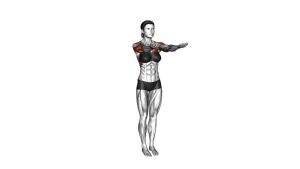
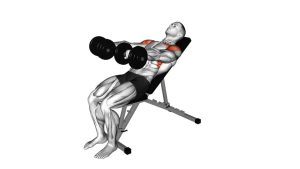
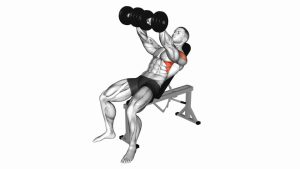
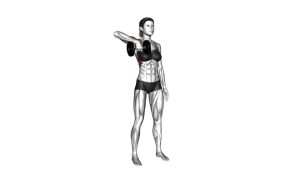
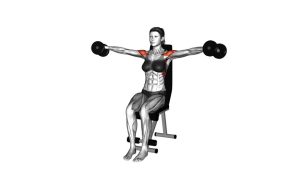
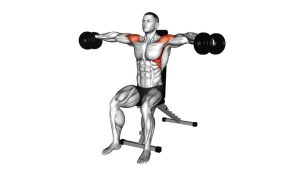
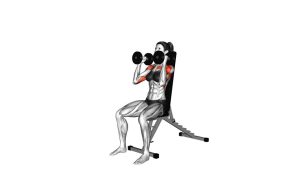
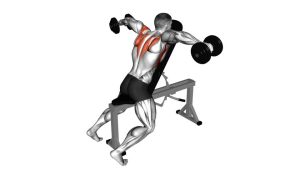
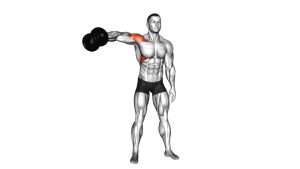
This exercise is best used as a front-delt builder for lifters who want a stricter alternative to standing front raises. Because you are seated and supported, it becomes easier to focus on the shoulders instead of using the hips, lower back, or momentum to move the weight. The goal is a smooth forward raise with steady wrists, softly bent elbows, and no leaning back.
Quick Overview
| Body Part | Shoulders |
|---|---|
| Primary Muscle | Anterior deltoid (front delts) |
| Secondary Muscle | Upper chest, serratus anterior, forearms, core stabilizers |
| Equipment | Two kettlebells and a flat or upright bench with back support |
| Difficulty | Beginner to Intermediate |
Sets & Reps (By Goal)
- Muscle growth: 3–4 sets × 8–15 reps, 45–75 sec rest
- Shoulder control / technique: 2–4 sets × 10–12 reps, slow tempo, 45–60 sec rest
- Light accessory work: 2–3 sets × 12–20 reps, moderate load, 30–45 sec rest
- Warm-up activation: 1–2 sets × 10–15 reps using very light kettlebells
Progression rule: Add reps before increasing load. Keep every rep smooth and shoulder-driven before moving to heavier kettlebells.
Setup / Starting Position
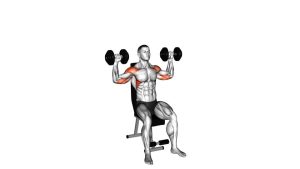
- Sit tall on a bench: Use a bench with back support if available and keep your feet flat on the floor.
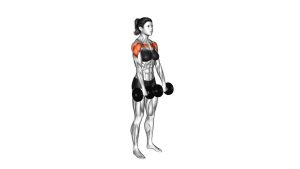
- Hold one kettlebell in each hand: Let the bells hang by your sides with a neutral grip.
- Brace your torso: Keep the ribs down, chest lifted, and head neutral against or just above the bench back.
- Set a soft elbow bend: Do not lock the elbows completely; keep a slight bend throughout the set.
- Start under control: Shoulders stay down and back without shrugging before the lift begins.
Tip: A fully upright seated position helps limit cheating and places more emphasis on the front delts.
Execution (Step-by-Step)
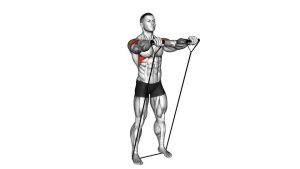
- Lift both kettlebells forward: Raise the arms in front of the body using the shoulders, not momentum.
- Keep the path smooth: The kettlebells should travel in a controlled arc while your wrists stay neutral.
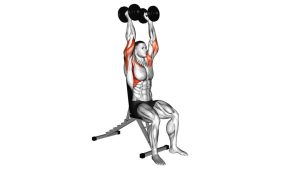
- Stop at shoulder height: Bring the bells up until the arms are about parallel to the floor.
- Pause briefly: Hold the top for a short moment to reinforce control and tension.
- Lower slowly: Return to the starting position under control without letting the bells drop.
Pro Tips & Common Mistakes
- Keep the range honest: Raise only to shoulder height unless your structure allows more without compensation.
- Use control, not speed: Front raises work better with steady tempo than explosive reps.
- Don’t lean back: Excessive torso movement shifts tension away from the shoulders.
- Avoid shrugging: Let the front delts lift the kettlebells instead of the upper traps.
- Respect the eccentric: Lowering slowly improves tension and protects the shoulder joint.
- Go lighter than you think: Kettlebells can feel harder than dumbbells because of the offset load.
FAQ
What muscles does the Kettlebell Seated Front Raise work?
The main target is the anterior deltoid. Secondary muscles include the upper chest, serratus anterior, forearms, and core stabilizers that help keep the movement controlled.
Why do this seated instead of standing?
Sitting down reduces momentum and makes it easier to focus on strict shoulder flexion. It is a good option when you want cleaner reps and better isolation.
Are kettlebells harder than dumbbells for front raises?
Often, yes. The kettlebell’s weight sits below the handle, which changes the feel of the lift and adds a stability demand that can make the exercise feel more challenging.
How heavy should I go?
Start with a weight that lets you raise and lower the bells without shrugging or leaning back. For most lifters, this exercise works best with light to moderate loads and controlled reps.
Should I lift above shoulder height?
In most cases, shoulder height is enough. Going higher is not necessary for most people and can reduce control if mobility or shoulder comfort is limited.
Recommended Equipment
- Adjustable Kettlebell — practical for progressive overload without buying multiple fixed bells
- Adjustable Weight Bench — useful for seated support and a more stable lifting position
- Wrist Wraps — can help lifters who want extra wrist support during shoulder work
- Home Gym Exercise Mat — protects flooring and improves setup comfort in home-gym spaces
- Resistance Bands Set — great for shoulder warm-ups, activation drills, and lighter accessory work
Tip: Use accessory gear to improve setup and comfort, but keep the main focus on controlled lifting mechanics.