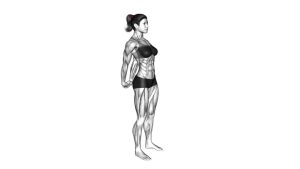
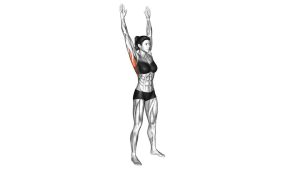
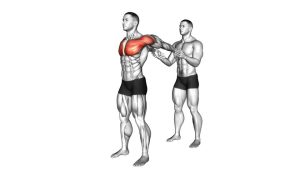
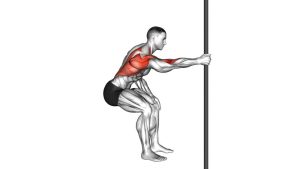
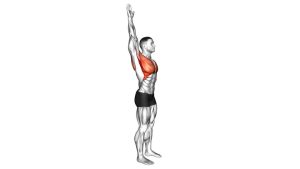
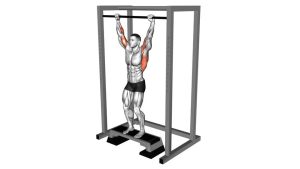
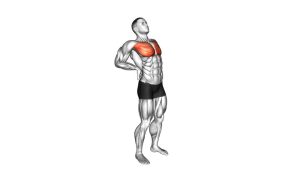
Arms Stretch on a Support: Safe Form, Benefits, Tips & FAQ
Learn how to do the Arms Stretch on a Support to improve upper-arm, triceps, shoulder, and lat flexibility with proper setup, form cues, mistakes, FAQs, and equipment.
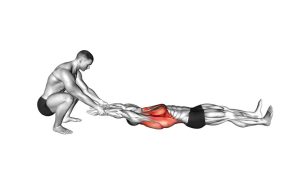
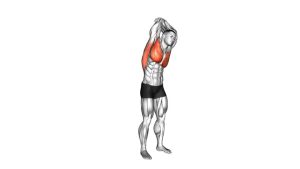
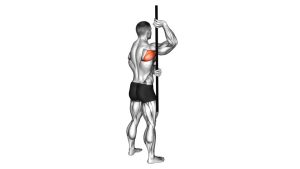
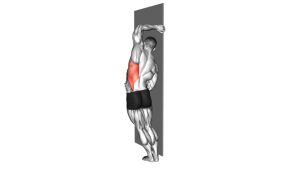
Arms Stretch on a Support
This exercise is best used after upper-body training, during mobility sessions, or as a gentle desk-break stretch. Because the arms stay fixed on a support, the hips and chest control the depth. Therefore, you can increase or reduce intensity without pulling aggressively on the shoulder joint.
Quick Overview
| Body Part | Arms |
|---|---|
| Primary Muscle | Triceps — especially the long head |
| Secondary Muscle | Shoulders, lats, upper back, chest, and thoracic spine |
| Equipment | Bench, chair, bar, box, table edge, or any stable support |
| Difficulty | Beginner |
Sets & Reps (By Goal)
- General flexibility: 2–4 sets × 20–40 second holds
- Post-workout recovery: 1–3 sets × 30–60 second relaxed holds
- Shoulder mobility practice: 2–3 sets × 6–8 slow breathing cycles
- Desk-break reset: 1–2 sets × 15–30 second holds
- Deep mobility work: 3–5 sets × 45–60 second holds, only if pain-free
Progression rule: First increase breathing control and hold time. Then, if your shoulders feel comfortable, move your hips slightly farther back or lower your chest a little more.
Setup / Starting Position
- Choose a stable support: Use a bench, chair, bar, box, or table that will not slide.
- Place your hands or forearms on the support: Keep them about shoulder-width apart.
- Step your feet back: Create enough space so your torso can lean forward comfortably.
- Keep your arms long: Maintain soft elbows instead of locking them aggressively.
- Set your spine: Keep the ribs controlled and the neck neutral before moving deeper.
- Relax your shoulders: Let the upper traps soften before you begin the stretch.
If your shoulders are tight, use a higher support. A higher surface makes the stretch easier and reduces pressure on the shoulder joint.
Execution (Step-by-Step)
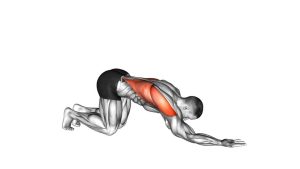
- Start tall: Place your hands or forearms on the support and step your body back.
- Hinge from the hips: Slowly send your hips backward while keeping your arms anchored.
- Lower the chest: Let your chest sink toward the floor until you feel a stretch through the upper arms and shoulders.
- Keep breathing: Inhale through the nose, then exhale slowly to relax into the position.
- Control the depth: Move only as far as you can without shoulder pinching or lower-back collapse.
- Hold the position: Stay still for the target time while keeping the elbows soft and the neck relaxed.
- Return slowly: Walk or shift your body forward and rise out of the stretch with control.
Pro Tips & Common Mistakes
- Use a higher support first: This helps you learn the stretch without dropping too deep too soon.
- Move from the hips: Send the hips back instead of forcing the shoulders downward.
- Keep the elbows soft: A slight bend protects the elbows and keeps the stretch smoother.
- Avoid lower-back dumping: Brace lightly so the chest lowers without excessive lumbar arching.
- Do not bounce: Stay slow and steady because bouncing can irritate the shoulders.
- Relax the neck: Keep your head between the arms without shrugging or tensing the traps.
- Breathe into the stretch: Each exhale should help the upper body soften gradually.
- Stop before pinching: A muscle stretch is fine, but joint compression is not the goal.
FAQ
Where should I feel the Arms Stretch on a Support?
You should feel it mainly through the upper arms, especially the triceps long head. In addition, you may feel a gentle stretch in the shoulders, lats, and upper back.
Is this a triceps stretch or a shoulder stretch?
It is both. The triceps long head crosses the shoulder joint, so placing the arms overhead or forward while lowering the chest can stretch the upper arm and shoulder area together.
How deep should I go?
Go only as deep as you can while breathing calmly and keeping the shoulders pain-free. If you feel pinching, raise the support, bend the elbows slightly, or reduce the range.
Can beginners do this exercise?
Yes. It is beginner-friendly because the support controls the movement. However, beginners should start with a higher surface and shorter holds before progressing.
Should I do this before or after training?
It works best after training or during a mobility session. Before heavy pressing or pulling, use a shorter, lighter version so you do not overstretch before strength work.
Why do I feel it in my lats?
That is normal. Because the arms are elevated and the chest drops, the lats can lengthen along with the triceps and shoulders.
Recommended Equipment
- Adjustable Workout Bench — provides a stable support surface and lets you control stretch height.
- Non-Slip Yoga Mat — improves foot grip and comfort during supported mobility work.
- Stretching Strap — useful for additional arm, shoulder, and lat flexibility drills.
- Foam Roller — helpful for warming up the upper back and lats before stretching.
- Massage Ball — supports soft-tissue release around the shoulders, lats, and upper back.
Tip: The support should feel stable before you begin. If the object moves, slides, or shakes, choose a heavier bench, fixed bar, or wall-mounted surface.