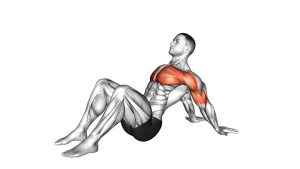
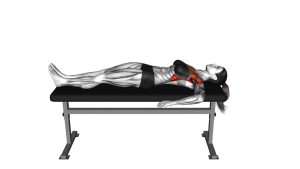
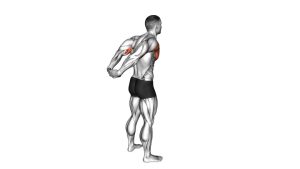
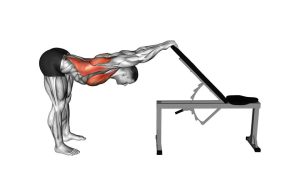
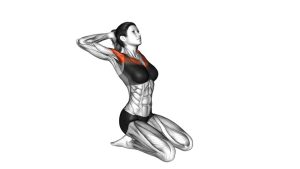
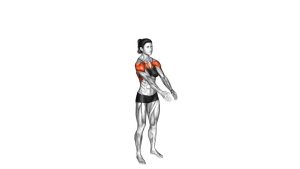
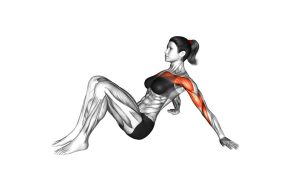
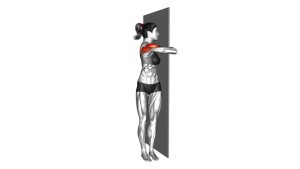
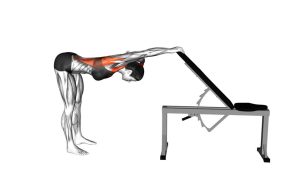
Shoulder Backbend Stretch: Proper Form, Benefits, Sets & FAQ
Learn how to do the Shoulder Backbend Stretch with proper form to improve shoulder mobility, thoracic extension, and upper-body flexibility. Includes setup, execution, tips, FAQs, and recommended equipment.
Shoulder Backbend Stretch
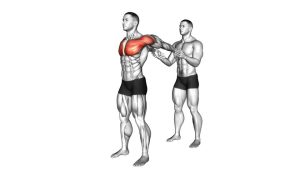
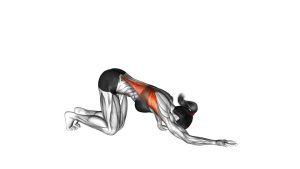
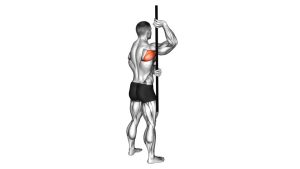
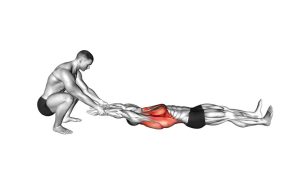
This stretch is ideal for people who feel stiff from desk work, overhead training, poor posture, or limited shoulder mobility. It is not about forcing a deep backbend. Instead, the goal is to create a comfortable opening through the front of the shoulders and upper torso while improving the ability to move the arms overhead with better control.
Quick Overview
| Body Part | Shoulders |
|---|---|
| Primary Muscle | Deltoids (front), Latissimus dorsi, Thoracic extensors |
| Secondary Muscle | Pectorals, Trapezius, Rhomboids, Core stabilizers |
| Equipment | None |
| Difficulty | Beginner |
Sets & Reps (By Goal)
- Daily mobility: 2–3 sets × 8–12 slow reps or 20–30 second holds
- Warm-up before upper-body training: 1–2 sets × 6–10 reps with smooth tempo
- Posture / desk reset: 2–4 sets × 15–25 second holds throughout the day
- Flexibility focus: 2–3 sets × 30–45 second holds with relaxed breathing
Progression rule: Increase hold time or improve overhead range gradually. Do not force a deeper lean back if you lose shoulder position or feel strain in the lower back.
Setup / Starting Position
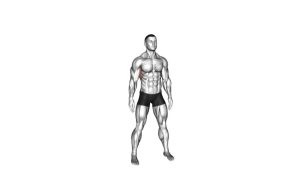
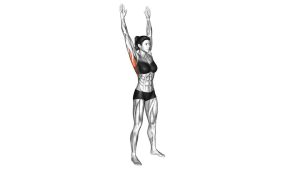
- Stand tall: Place your feet about hip-width apart and distribute your weight evenly.
- Lift the arms overhead: Reach both arms straight up with the elbows extended and shoulders active.
- Set your posture: Keep the ribs stacked over the hips and lightly brace your core.
- Relax the neck: Keep your jaw and shoulders relaxed rather than shrugging hard toward the ears.
- Create length first: Think about reaching upward before leaning backward.
Tip: If overhead mobility is limited, keep the hands shoulder-width apart instead of forcing them together.
Execution (Step-by-Step)
- Reach up tall: Extend through the fingertips and lengthen the sides of the body.
- Lift the chest gently: Open through the upper torso without excessively flaring the ribs.
- Lean back slightly: Move into a controlled backbend from the upper back and shoulders, not just the lower back.
- Keep the arms straight: Maintain active overhead reach throughout the stretch.
- Pause and breathe: Hold the end position briefly while breathing calmly and evenly.
- Return with control: Come back to a tall neutral standing position without dropping the arms abruptly.
Pro Tips & Common Mistakes
- Reach up before you bend back: Vertical length makes the stretch cleaner and safer.
- Keep the core lightly engaged: This helps prevent dumping into the lumbar spine.
- Use the upper back: Think chest up and open rather than lower back arch only.
- Do not force shoulder range: Only lift as high as you can without pain or pinching.
- Avoid bent elbows: Straight arms help maintain the intended overhead stretch.
- Do not rush the rep: Slow, smooth movement improves mobility more effectively than bouncing.
- Keep the neck neutral: Let the head follow naturally, but do not throw it backward aggressively.
FAQ
What should I feel during the Shoulder Backbend Stretch?
Most people feel a stretch through the lats, front shoulders, chest, and upper torso. You should not feel sharp pain or strong compression in the lower back.
Is this a shoulder exercise or a back stretch?
It is mainly a shoulder mobility and upper-body stretch, but it also involves the thoracic spine and upper back. That combination is what makes it useful for posture and overhead flexibility.
Can beginners do this exercise?
Yes. It is beginner-friendly as long as the movement stays controlled and comfortable. Start with a small range and focus on reaching up rather than forcing a deep backbend.
Should I hold the stretch or do repetitions?
Both can work. Slow repetitions are great in a warm-up, while holds are useful for cooldowns or dedicated mobility sessions.
Who should be cautious with this stretch?
Anyone with acute shoulder pain, spinal issues, dizziness, or a history of painful overhead motion should be cautious. Reduce the range or skip the stretch until cleared by a qualified professional.
Recommended Equipment (Optional)
- Yoga Mat — useful for general mobility sessions, stretching routines, and floor-based shoulder work
- Foam Roller — helpful for thoracic mobility drills that complement overhead stretching
- Stretching Strap — can assist with shoulder mobility progressions and flexibility work
- Resistance Bands Set — great for pairing with shoulder activation and posture-correction exercises
- Yoga Blocks — useful for mobility modifications, support, and stretching variations
Tip: Mobility tools should support better movement quality, not force extra range. Progress gradually and prioritize comfort.