Barbell Incline Shoulder Press: Proper Form, Sets, Benefits & FAQ
Learn how to do the Barbell Incline Shoulder Press with proper form. Discover muscles worked, setup tips, sets and reps by goal, common mistakes, FAQs, and recommended equipment.
Barbell Incline Shoulder Press
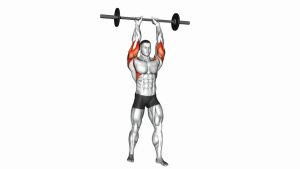
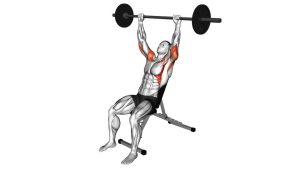
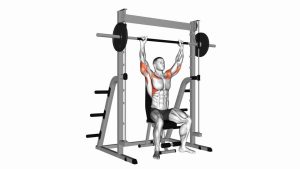
This exercise works best when the bench is set at a moderate incline and the bar path stays controlled from the upper chest toward a line above the shoulders. The goal is to press with power while keeping the torso stable, wrists stacked, and elbows moving in a natural pressing angle. Because the incline reduces full overhead demand, many lifters find it useful for focusing on front-delt development while still training with heavy compound loads.
Quick Overview
| Body Part | Front Shoulders |
|---|---|
| Primary Muscle | Anterior deltoids (front delts) |
| Secondary Muscle | Upper chest, triceps brachii, upper traps |
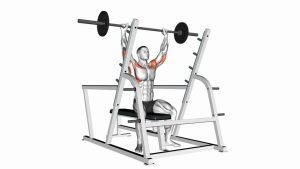
| Equipment | Barbell, incline bench, squat rack or Smith-style rack |
| Difficulty | Intermediate |
Sets & Reps (By Goal)
- Muscle growth: 3–4 sets × 8–12 reps with 60–90 seconds rest
- Strength: 4–5 sets × 4–6 reps with 2–3 minutes rest
- Shoulder-focused hypertrophy: 3–5 sets × 6–10 reps with controlled tempo
- Technique practice: 2–3 sets × 8–10 reps using a moderate load and strict form
Progression tip: Add weight gradually only when you can control the lowering phase, press through a smooth bar path, and complete all reps without arching excessively off the bench.
Setup / Starting Position
- Set the bench angle: Position an incline bench at roughly 60–75 degrees to create a shoulder-dominant pressing angle.
- Place the bench inside the rack: Align it so the bar can be unracked comfortably without reaching too far forward.
- Sit back firmly: Keep your head, upper back, and glutes supported against the bench.
- Plant your feet: Feet stay flat on the floor to help stabilize the torso during the press.
- Grip the bar: Use a grip slightly wider than shoulder-width with wrists stacked over the forearms.
- Start at upper chest level: The bar should begin around the upper chest or clavicle area with elbows slightly forward of the bar.
Execution (Step-by-Step)
- Unrack with control: Lift the bar off the hooks and hold it steadily above the upper chest.
- Brace the torso: Keep the core tight, chest lifted naturally, and shoulders packed against the bench.
- Press upward: Drive the bar up in a controlled path until your arms are nearly straight without aggressively slamming into lockout.
- Keep elbows aligned: Let the elbows move under the wrists instead of flaring too wide out to the sides.
- Pause briefly at the top: Maintain tension rather than relaxing the shoulders.
- Lower slowly: Bring the bar back down under control to the upper chest area.
- Repeat evenly: Perform each rep with the same tempo and bar path for consistent shoulder loading.
Pro Tips & Common Mistakes
- Use a moderate incline: Too low turns it into more of an upper-chest press; too upright becomes closer to a strict shoulder press.
- Do not bounce the bar: Lower with control and avoid crashing into the top of the chest.
- Keep wrists stacked: Bent wrists reduce force transfer and can make the lift feel unstable.
- Avoid excessive elbow flare: A slightly forward elbow path is usually more shoulder-friendly.
- Stay against the bench: Do not turn the rep into a standing-style push by over-arching the spine.
- Control the eccentric: The lowering phase is where shoulder stability and hypertrophy benefits improve most.
- Use a spotter for heavy work: Especially when pressing inside a rack with challenging loads.
FAQ
What muscles does the Barbell Incline Shoulder Press work the most?
The main target is the anterior deltoid. It also trains the upper chest and triceps, making it a strong compound exercise for upper-body pressing development.
Is this more for shoulders or upper chest?
It depends on the bench angle. With a steeper incline, the exercise becomes more shoulder-dominant. With a lower incline, the upper chest contributes more. In most setups, it strongly emphasizes the front delts.
Can beginners do this exercise?
Beginners can learn it, but they should start with light weight and solid rack setup. Many lifters first build pressing mechanics with dumbbells or machines before loading a barbell incline press heavily.
How low should I lower the bar?
Lower the bar to a comfortable position near the upper chest or collarbone area without forcing excessive shoulder extension. The safest range is the one you can control pain-free.
Should I use this instead of overhead press?
It can be used as an alternative or accessory. The incline version reduces some overhead mobility demands while still training shoulder pressing strength, so it is a useful option in many shoulder-building programs.
Recommended Equipment
- Adjustable Weight Bench — essential for setting the proper incline angle for shoulder-dominant pressing
- Olympic Barbell — the main tool for progressive loading and long-term strength development
- Weight Plates — lets you adjust resistance precisely for strength or hypertrophy goals
- Power Rack with Safety Arms — improves setup safety and makes heavier pressing sessions more secure
- Wrist Wraps — optional support for lifters who want better wrist stability during heavy presses
Tip: Prioritize a stable bench and secure rack setup first. Good positioning matters more than adding extra accessories too early.