Barbell Overhead Forward Lunge: Proper Form, Muscles Worked, Sets & Tips
Master the Barbell Overhead Forward Lunge with proper form, muscle activation, safe setup, sets and reps, balance cues, common mistakes, and FAQs.
Barbell Overhead Forward Lunge
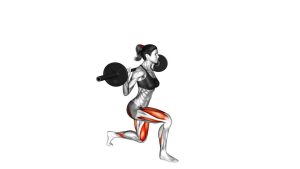
Unlike a traditional forward lunge, the Barbell Overhead Forward Lunge requires continuous stabilization of an overhead load. Consequently, the shoulders, upper back, and abdominal muscles work alongside the legs to maintain balance. This combination develops coordinated strength, dynamic stability, and greater control during unilateral lower-body movements.
Furthermore, the forward stepping pattern challenges the hips, knees, and ankles while demanding precise trunk positioning. Because the barbell remains overhead, even a small balance error can become difficult to correct. Therefore, controlled repetitions and appropriate loading are more important than lifting heavy weights.
Quick Overview
| Body Part | Legs |
|---|---|
| Primary Muscle | Quadriceps and gluteus maximus |
| Secondary Muscle | Hamstrings, adductors, gluteus medius, calves, deltoids, trapezius, serratus anterior, rotator cuff, and core stabilizers |
| Equipment | Barbell and weight plates (optional during progression); secure barbell collars and suitable lifting area |
| Difficulty | Advanced — requires overhead mobility, shoulder stability, unilateral leg strength, balance, and coordination |
Sets & Reps (By Goal)
- Technique and movement control: 2–3 sets × 4–6 reps per leg using a PVC pipe or empty bar. Focus on smooth stepping, overhead alignment, and controlled returns. Rest 60–90 seconds between sets.
- Functional leg strength: 3–4 sets × 4–6 reps per leg with a manageable load. Maintain steady knee tracking and overhead stability. Rest approximately 90–150 seconds between sets.
- Muscle development: 3–4 sets × 6–8 reps per leg using moderate, technically manageable resistance. However, reduce the load whenever shoulder fatigue affects the overhead position.
- Balance and coordination: 2–3 sets × 5–8 reps per leg with a light bar. Additionally, pause briefly in the bottom position before returning to standing.
- Controlled muscular endurance: 2–3 sets × 8–10 reps per leg with very light resistance. Prioritize consistent movement quality rather than speed, and stop before fatigue compromises stability.
Progression rule: First, develop reliable balance using bodyweight lunges and an unloaded overhead position. Next, introduce an empty barbell and increase repetitions gradually. Only add weight when your arms remain extended, torso stays controlled, and every repetition is stable. Because this exercise requires substantial coordination, avoid progressing load and volume simultaneously.
Setup / Starting Position
- Select an appropriate load: Begin with a PVC pipe or an empty training bar. Furthermore, ensure you can safely stabilize the load overhead before adding weight plates.
- Position your feet: Stand upright with your feet approximately hip-width apart. Distribute your weight evenly and maintain a stable, natural standing posture.
- Establish your barbell grip: Hold the bar using a secure, comfortable grip slightly wider than shoulder width or wider as needed. Keep your wrists supported and maintain firm control throughout the movement.
- Press the barbell overhead: Using an appropriate lifting technique, position the bar overhead with both elbows fully extended. Subsequently, stabilize your shoulders and keep the bar balanced above your body.
- Activate your upper back: Maintain active shoulders and controlled shoulder-blade positioning. Avoid allowing the elbows to bend or the barbell to drift excessively forward.
- Brace your abdominal muscles: Keep your ribs controlled and your spine approximately neutral. Meanwhile, engage your core to resist excessive lower-back extension.
- Establish your visual focus: Look forward toward a stable reference point. Additionally, maintain a comfortable head position rather than tilting backward to follow the barbell.
- Prepare your stepping path: Ensure there is enough space to step forward without contacting equipment or obstacles. Before moving, confirm that your overhead position feels secure and balanced.
Setup tip: If you cannot hold the barbell overhead without arching your lower back, reduce the resistance and address overhead mobility first. Similarly, practice controlled forward lunges separately before combining both movements.
Execution (Step-by-Step)
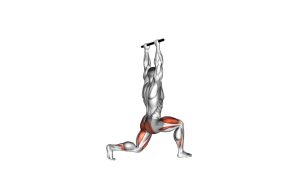
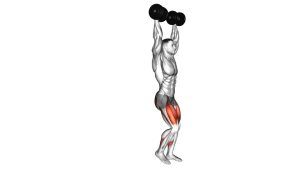
- Establish the overhead position: Stand tall with the barbell fully extended overhead. Brace your abdomen and keep your shoulders active. Before stepping, confirm that the load is stable.
- Initiate the forward step: Move one foot forward into a controlled lunge stance. As your foot travels forward, maintain a steady torso and avoid shifting the barbell excessively.
- Plant the front foot securely: Place the entire front foot on the floor. Next, distribute pressure through the heel, forefoot, and midfoot to establish a balanced base.
- Begin the lowering phase: Bend both knees and gradually lower your hips. Meanwhile, keep the front knee aligned with the direction of your toes. Allow the rear heel to rise naturally.
- Reach the bottom lunge position: Continue descending until the rear knee approaches the floor or your comfortable mobility limit. Ideally, maintain an upright torso without forcing an excessively deep position.
- Maintain overhead stability: Keep both elbows extended and stabilize the barbell above the supporting base. Throughout the descent, resist excessive forward movement, sideways leaning, or lower-back arching.
- Drive upward through the front leg: Press firmly through the front foot to extend the knee and hip. Simultaneously, maintain abdominal tension and a steady overhead barbell position.
- Return to the starting position: Push back under control and bring the front foot beside the rear foot. As a result, you return to the upright standing position without lowering the barbell.
- Reset and repeat: Reestablish your balance before starting another repetition. Then, repeat with the same leg or alternate sides according to your planned training sequence.
Pro Tips & Common Mistakes
Pro Tips for Better Overhead Lunge Technique
- Prioritize overhead stability: Keep your arms extended and shoulders active. Additionally, maintain a firm grip without excessively bending your wrists.
- Control the stepping distance: Step far enough forward to create a balanced lunge position. However, avoid exaggerated strides that force the torso to lean or destabilize the load.
- Brace your core before moving: Maintain abdominal tension to resist unwanted spinal movement. Consequently, the barbell remains easier to stabilize during the descent.
- Use a controlled tempo: Lower steadily, pause briefly when appropriate, and return without rushing. For example, a two-second descent can help reinforce consistent movement mechanics.
- Maintain natural knee alignment: Allow the front knee to move in the same direction as the toes. Furthermore, keep the front foot firmly planted throughout the repetition.
- Breathe without losing stability: Establish your brace before stepping. Then, manage your breathing during the ascent without allowing your torso to collapse.
Common Mistakes to Avoid
- Allowing the barbell to drift forward: Excessive forward movement increases the stabilization challenge and may compromise balance. Instead, maintain an appropriate overhead position throughout the repetition.
- Arching the lower back excessively: Compensating for limited shoulder mobility with spinal extension can increase unnecessary stress. Therefore, reduce the load and maintain better rib and pelvis control.
- Letting the front knee collapse inward: Poor knee tracking can reduce lower-body stability. As a correction, slow the descent and keep the knee aligned with the foot.
- Taking an excessively short step: A cramped stance may make balance and knee positioning more difficult. Conversely, an excessively long step can cause unnecessary stretching and instability.
- Dropping rapidly into the lunge: Uncontrolled lowering increases the chance of losing balance. Instead, descend gradually while maintaining consistent muscular tension.
- Bending the elbows under load: Allowing the arms to soften may destabilize the overhead position. Consequently, use lighter resistance until your shoulder stabilizers can maintain proper alignment.
- Using excessive weight too early: Heavy loading can expose weaknesses in overhead mobility, balance, and coordination. Therefore, prioritize technical proficiency before increasing resistance.
- Returning to standing without control: Rushing the final step can disturb the barbell. Instead, drive through the front leg and reestablish a stable stance before continuing.
Training tip: Practice overhead holds, bodyweight forward lunges, and light split-stance stability drills separately. Once these movements feel consistent, combine them using an unloaded bar before progressing.
FAQ
Muscles, Technique & Movement Mechanics
What muscles does the Barbell Overhead Forward Lunge work?
The exercise primarily trains the quadriceps and gluteus maximus. Additionally, the hamstrings, adductors, calves, and gluteus medius contribute to lower-body stability. Meanwhile, the deltoids, trapezius, serratus anterior, rotator cuff, and abdominal muscles help stabilize the overhead barbell and trunk.
What is the difference between an overhead forward lunge and a walking lunge?
During the overhead forward lunge, the athlete steps forward, lowers into a lunge, and then returns to the original standing position. In contrast, a walking lunge continues forward into the next repetition. Both require balance; however, the forward lunge emphasizes controlled stepping and returning beneath a stable overhead load.
How far should I step forward during the movement?
Step far enough to lower comfortably while maintaining stable foot placement and natural knee tracking. Ideally, the front foot remains fully planted and the rear knee descends toward the floor. However, stride length depends on leg proportions, mobility, and individual comfort. Therefore, avoid forcing a fixed stepping distance.
Should my rear knee touch the floor?
No, touching the floor is not necessary. Instead, lower the rear knee toward the ground while maintaining controlled balance and posture. If your mobility or stability becomes limited, stop slightly higher. Ultimately, controlled movement quality matters more than achieving maximum depth.
Difficulty, Progression & Training Frequency
Is the Barbell Overhead Forward Lunge suitable for beginners?
Generally, this movement is better suited to experienced lifters because it combines overhead stability with a dynamic unilateral leg exercise. Beginners should first practice bodyweight forward lunges and unloaded overhead holds. Subsequently, a PVC pipe or light training bar can introduce the combined movement safely.
How much weight should I use for overhead forward lunges?
Start with a PVC pipe or empty barbell, depending on your current experience. Then, add small increments only when you can maintain full overhead control and stable lunges. Because balance and shoulder endurance can limit performance, lighter loads are often more appropriate than those used for conventional barbell lunges.
Why does my barbell move forward during the lunge?
Forward barbell drift may result from limited shoulder mobility, insufficient upper-back stability, poor trunk control, or an unstable step. Additionally, excessive weight can make these weaknesses more noticeable. To improve control, reduce the resistance and practice stationary overhead holds before returning to the complete exercise.
How often should I perform Barbell Overhead Forward Lunges?
For many experienced lifters, one or two sessions per week can provide useful technique practice. However, appropriate frequency depends on total training volume, recovery, and overhead workload. Begin with a few controlled sets and monitor shoulder and leg fatigue. Additionally, allow adequate recovery between demanding training sessions.
Can this exercise improve balance and core stability?
Yes, the movement challenges balance while the body transitions into and out of a split stance. Furthermore, the overhead barbell requires continuous trunk stabilization against unwanted movement. As a result, the exercise can help develop coordinated control when performed correctly. Nevertheless, it should complement rather than replace dedicated strength and balance training.
Recommended Equipment
- Olympic Barbell — provides the primary resistance for Barbell Overhead Forward Lunges and other compound strength exercises. Choose a barbell appropriate for your grip, skill, and loading capacity.
- Olympic Bumper Plates — allow gradual resistance progression while supporting common weightlifting training needs. Furthermore, compatible plates help create manageable loading increments.
- Olympic Barbell Collars — secure weight plates on the barbell sleeves and help prevent unnecessary plate movement. Consequently, they are important when performing dynamic exercises with loaded barbells.
- Adjustable Barbell Squat Rack — provides a convenient starting position for unracking and reracking a barbell. Additionally, suitable rack height can reduce unnecessary effort before overhead setup.
- Weightlifting Platform / Rubber Gym Flooring — provides a stable training surface and helps protect the floor during barbell training. Choose firm, non-slip flooring that does not compromise balance during lunges.
Equipment tip: Select equipment appropriate for your strength, training experience, and available space. Moreover, inspect the barbell, collars, plates, and training surface before every session. Practice in a suitable lifting area with a clear path and an established procedure for handling an unstable overhead load.