Cable Rear Drive: Proper Form, Sets, Tips & FAQ
Learn the Cable Rear Drive for chest development with step-by-step form tips, sets and reps by goal, setup cues, common mistakes, FAQs, and recommended equipment for better cable pressing performance.
Cable Rear Drive
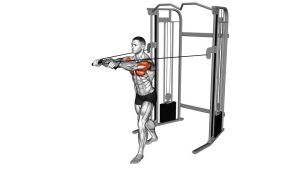
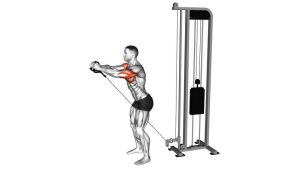
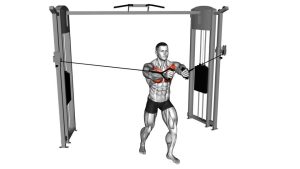
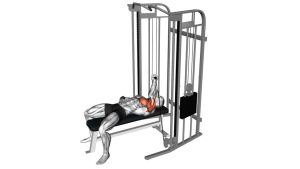
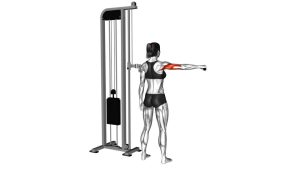
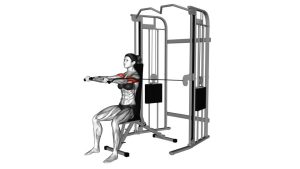
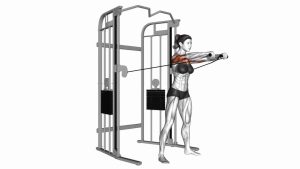
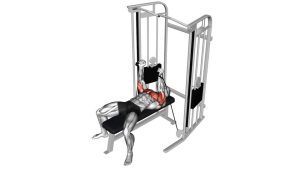
The Cable Rear Drive works best when you stay stable through the torso and press in a controlled path. A split stance helps you stay balanced and resist rotation, while the cable provides continuous resistance from the stretch to the peak contraction. This makes the exercise especially effective for chest-focused training without needing heavy free weights.
Quick Overview
| Body Part | Chest |
|---|---|
| Primary Muscle | Pectoralis major |
| Secondary Muscle | Triceps brachii, anterior deltoid, core stabilizers |
| Equipment | Cable machine with single handles |
| Difficulty | Beginner to Intermediate |
Sets & Reps (By Goal)
- Muscle growth: 3–4 sets × 8–15 reps per side with 45–75 sec rest
- Strength-focused control: 4–5 sets × 6–8 reps per side with 75–120 sec rest
- Technique / activation work: 2–3 sets × 12–15 reps per side with slow tempo and light load
- Finisher / pump work: 2–3 sets × 15–20 reps per side with short rest and constant tension
Progression rule: First improve rep quality, control, and peak squeeze. Then increase reps, then load. Do not add weight if your torso twists, your shoulder shifts forward, or the cable path becomes inconsistent.
Setup / Starting Position
- Adjust the pulley: Set the cable around chest height or slightly below depending on your pressing path.
- Grab the handle: Use one arm or both depending on your preferred variation. Maintain a neutral or slightly pronated grip.
- Take a split stance: Step one foot forward and one foot back for balance and core stability.
- Set your torso: Keep your chest up, ribs stacked, and core braced without over-arching the lower back.
- Start with tension: Begin with the elbow bent and the hand near chest level so the cable is already pulling slightly.
Tip: A small forward lean is fine, but avoid turning the movement into a bodyweight shove. The press should come from the chest and arm, not from full-body momentum.
Execution (Step-by-Step)
- Brace and align: Lock in your stance, keep the shoulder packed, and maintain a stable torso.
- Drive forward: Press the handle forward in a controlled line by contracting the chest and extending the elbow.
- Squeeze at the front: Reach the peak contraction without jamming the shoulder forward or fully locking the elbow hard.
- Pause briefly: Hold the end position for a moment to maximize chest engagement.
- Return slowly: Let the handle come back under control until you feel a good chest stretch while keeping tension.
- Repeat evenly: Keep the same stance, tempo, and pressing path on every rep.
Pro Tips & Common Mistakes
- Use a split stance: This improves balance and helps you resist rotation during unilateral pressing.
- Keep the shoulder down and back: Don’t let the shoulder shrug or roll forward too early.
- Press with the chest: Think about bringing the upper arm across the body, not just straightening the elbow.
- Control the eccentric: The return phase is where a lot of chest stimulus happens—don’t rush it.
- Avoid over-flaring the elbow: Too much flare can stress the shoulder and reduce pressing efficiency.
- Don’t twist through the torso: Stay square and stable so the target muscles do the work.
- Use a pause at peak contraction: A short squeeze improves mind-muscle connection and reduces sloppy reps.
FAQ
What muscles does the Cable Rear Drive work?
The main target is the chest, especially the pectoralis major. The triceps and front delts assist, while the core helps stabilize your body during the press.
Is the Cable Rear Drive better than a dumbbell press?
It is not necessarily better, but it offers a different benefit. The cable provides constant tension and often gives a stronger contraction at the front of the movement than dumbbells.
Should I use one arm or both arms?
Both options can work. A single-arm version increases anti-rotation demand and helps fix side-to-side imbalances, while a two-arm version may feel more stable and allow a stronger chest squeeze.
Where should I feel this exercise?
You should mostly feel it in the chest, with some help from the triceps and front delts. If you mainly feel shoulder strain, reduce the load and adjust your elbow path and pressing angle.
Can beginners use the Cable Rear Drive?
Yes. It is a beginner-friendly movement when performed with light to moderate resistance and strict control. The cable path is predictable, and the stance can be adjusted for better balance.
Recommended Equipment
- Cable Machine Handles — useful for replacing worn grips or improving comfort during pressing work
- Workout Grip Gloves — can improve comfort and reduce hand fatigue during higher-volume cable sessions
- Resistance Bands Set — great for warm-ups, activation drills, and extra chest pump work outside the cable station
- Lightweight Training Belt — optional support for lifters who want extra bracing feedback during heavier standing presses
- Foam Roller — helpful for chest and shoulder mobility work before or after upper-body training
Tip: Equipment should improve comfort, setup quality, or warm-up efficiency. It should never replace good technique and controlled movement.