Cable Standing Pulldown with Rope: Form, Sets, Tips & FAQ
Learn how to perform the Cable Standing Pulldown with Rope for stronger forearms, grip, and arm control. Includes setup, execution, sets by goal, common mistakes, FAQs, and recommended equipment.
Cable Standing Pulldown with Rope
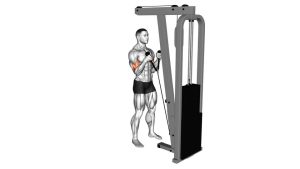
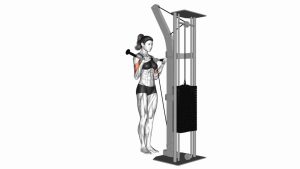
This exercise works best with a smooth tempo and deliberate cable control. You should feel the forearms working to stabilize the wrists and maintain a secure grip while the arms move the rope downward. The goal is not to use momentum, but to create steady tension from the start of the rep to the finish.
Quick Overview
| Body Part | Forearms |
|---|---|
| Primary Muscle | Forearms (wrist flexors, grip muscles, forearm stabilizers) |
| Secondary Muscle | Triceps, brachialis, and wrist stabilizers |
| Equipment | Cable machine with rope attachment |
| Difficulty | Beginner to Intermediate |
Sets & Reps (By Goal)
- Forearm endurance: 2–4 sets × 12–20 reps, 30–45 sec rest
- Grip strength focus: 3–4 sets × 8–12 reps, 45–75 sec rest
- Arm control / accessory work: 2–3 sets × 10–15 reps, 30–60 sec rest
- Finisher set: 1–2 sets × 15–25 reps using strict form and lighter weight
Progression rule: Add reps first, then small weight increases. Keep the wrists steady and the tempo controlled before increasing load.
Setup / Starting Position
- Attach the rope: Set a rope handle on a high pulley.
- Take your stance: Stand tall with feet about hip-width to shoulder-width apart.
- Grip the rope: Hold one end in each hand with a neutral grip.
- Set the elbows: Keep them tucked near your sides and slightly bent at the top.
- Brace your torso: Keep your chest up, core engaged, and shoulders down.
Tip: Step back just enough to keep constant tension on the cable without leaning backward.
Execution (Step-by-Step)
- Start under tension: Begin with the rope high, elbows close to the torso, and wrists neutral.
- Pull downward: Drive the rope down in a smooth arc while keeping the upper arms stable.
- Squeeze the grip: Hold the rope firmly so the forearms stay active throughout the rep.
- Reach the bottom: Finish near the upper thighs with the rope ends slightly separated.
- Pause briefly: Hold the contraction for a moment without shrugging or swinging.
- Return slowly: Let the rope travel back upward under control, resisting the pull of the cable.
- Repeat evenly: Keep the same range, tempo, and posture on every rep.
Pro Tips & Common Mistakes
- Keep the elbows close: Letting them flare too much shifts tension away from the intended arm path.
- Use steady wrists: Avoid excessive bending or collapsing at the wrists.
- Control the eccentric: The return phase builds forearm endurance and grip control.
- Do not swing: Momentum reduces cable tension and makes the rep less effective.
- Don’t overload too early: Heavy weight often turns this into a sloppy shoulder-and-torso movement.
- Squeeze the rope hard: A stronger grip often creates a better forearm training effect.
FAQ
Where should I feel this exercise most?
You should feel a strong working tension in the forearms and hands, with additional effort through the triceps and arm stabilizers.
Is this mainly a forearm or triceps exercise?
It can train both, but with a rope and a strong grip emphasis, the forearms play a major role in stabilizing and controlling the movement.
Should I separate the rope at the bottom?
Yes, slightly separating the rope at the bottom can improve contraction and help you finish the rep cleanly without losing tension.
Can beginners use this exercise?
Yes. Beginners should start with a lighter load and focus on posture, cable control, and wrist stability before chasing heavier weight.
What is the most common mistake?
Using too much weight and turning the exercise into a momentum-based pushdown. Strict reps are much more effective for forearm-focused work.
Recommended Equipment
- Tricep Rope Cable Attachment — the most direct tool for this exercise and ideal for grip-heavy pulldown variations
- Wrist Cuffs for Cable Machines — useful for reducing hand fatigue during accessory cable work and isolation drills
- Straight Bar Cable Attachment — a good alternative for comparing grip feel and arm path on cable pulldown variations
- Cable Attachment Set — convenient if you want multiple handles, bars, and rope options for arm and forearm training
- Lifting Straps — helpful for heavier pulling sessions when grip fatigue affects the rest of your training
Choose durable attachments with secure hardware, comfortable grip surfaces, and smooth cable compatibility for safer, more consistent training.