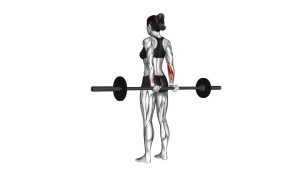
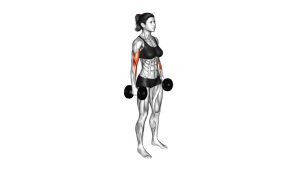
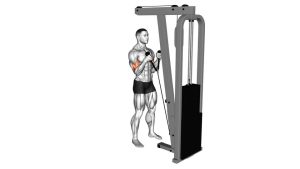
Cable Reverse Curl: Proper Form, Forearm Focus, Sets, Tips & FAQ
Learn how to do the Cable Reverse Curl with proper form to build stronger forearms, brachioradialis, and grip strength. Includes setup, execution, sets by goal, mistakes, FAQs, and recommended equipment.
Cable Reverse Curl
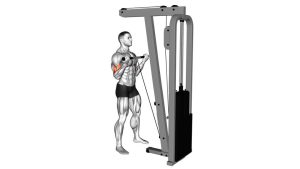
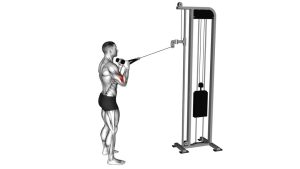
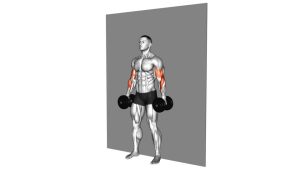
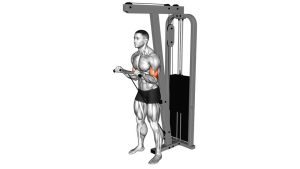
This movement works best when performed with a controlled tempo, a steady torso, and elbows kept close to the body. The goal is not to swing the weight up, but to create smooth tension through the forearms from full extension to peak contraction. A slightly lighter load with cleaner mechanics usually produces better results than chasing heavy reps with body English.
Quick Overview
| Body Part | Forearms |
|---|---|
| Primary Muscle | Brachioradialis |
| Secondary Muscle | Brachialis, wrist extensors, biceps brachii (assisting) |
| Equipment | Low cable machine with straight bar attachment |
| Difficulty | Beginner to Intermediate |
Sets & Reps (By Goal)
- Forearm hypertrophy: 3–4 sets × 8–15 reps, 45–75 sec rest
- Strength-focused work: 4–5 sets × 5–8 reps, 75–120 sec rest
- Accessory arm training: 2–4 sets × 10–15 reps after rows, curls, or pull work
- Technique / pump finisher: 2–3 sets × 12–20 reps with strict form and slower lowering
Progression rule: Increase reps first, then load. If wrist position or elbow tracking breaks down, reduce the weight and keep the motion cleaner.
Setup / Starting Position
- Attach a straight bar to a low cable pulley.
- Stand tall facing the machine with feet about hip-width apart.
- Grip the bar pronated (palms facing down) at about shoulder width.
- Step back slightly so the cable stays under tension at the bottom.
- Set your posture: chest up, shoulders relaxed, core braced, elbows close to your sides.
- Start with arms extended but not hyperextended, and keep the wrists firm.
Tip: A small step back often improves cable line and keeps tension on the forearms from the first rep.
Execution (Step-by-Step)
- Brace and stay tall: Lock in your torso so the body does not rock or lean back.
- Curl the bar upward: Flex at the elbows while keeping the pronated grip and elbows pinned near your torso.
- Keep the wrists stable: Avoid letting them collapse or excessively curl during the rep.
- Lift to strong contraction: Bring the bar up until the forearms are fully engaged without rolling the shoulders forward.
- Pause briefly at the top: Squeeze the forearms for a short, controlled contraction.
- Lower slowly: Return the bar under control until the arms are extended again and the cable stays taut.
- Repeat smoothly: Maintain the same strict elbow path and tempo for every rep.
Pro Tips & Common Mistakes
- Keep elbows fixed: Let the forearms move, not the shoulders.
- Don’t overload too early: Reverse curls usually require lighter weights than standard curls.
- Use the pronated grip consistently: Turning the wrists changes the exercise emphasis.
- Lower with control: The eccentric phase is excellent for forearm development.
- Avoid wrist collapse: Excessive bending can shift tension and irritate the wrists.
- Don’t shrug the shoulders: Keep traps relaxed so the forearms stay the focus.
- Use full working range: Reach a strong contraction at the top and a clean stretch at the bottom without losing posture.
FAQ
What muscles does the Cable Reverse Curl work most?
The main target is the brachioradialis, with support from the brachialis, wrist extensors, and some biceps involvement.
Why use a cable instead of a barbell or dumbbells?
The cable keeps more consistent tension through the entire rep, especially at the bottom, which can make the movement feel smoother and more controlled.
Should I go heavy on Cable Reverse Curls?
You can train them moderately heavy, but strict technique matters more than load. Most lifters get better forearm stimulus with controlled reps than with swinging heavier weight.
Where should I feel this exercise?
You should mainly feel it in the top side of the forearm and around the brachioradialis, near the upper forearm by the elbow.
Can beginners use this exercise?
Yes. It is beginner-friendly as long as the load is light enough to keep the elbows stable and the wrists under control.
Recommended Equipment
- Straight Bar Cable Attachment — the most direct attachment for performing Cable Reverse Curls on a low pulley
- Wrist Wraps — useful for added wrist stability when heavier reverse curls irritate the wrists
- Forearm Exerciser / Wrist Roller — a good accessory tool to build forearm endurance and grip strength outside of cable work
- Resistance Band Set — useful for warm-ups, arm preparation, and extra forearm volume when a cable machine is not available
- Cable Attachment Set — helpful if you want multiple handle options for curls, rows, triceps work, and broader arm training
Tip: For this exercise, the straight bar is the most relevant first purchase. Wrist wraps and forearm tools are optional add-ons.