Dumbbell Bent-Over Reverse Fly to Hammer Curl: Form, Muscles Worked, Sets, Tips & FAQ
Learn how to do the Dumbbell Bent-Over Reverse Fly to Hammer Curl with proper form. Discover muscles worked, setup, step-by-step execution, sets by goal, common mistakes, FAQs, and recommended equipment.
Dumbbell Bent-Over Reverse Fly to Hammer Curl
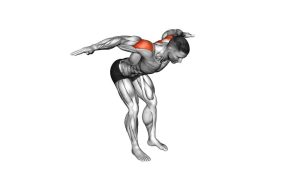
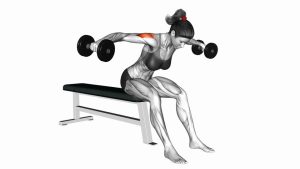
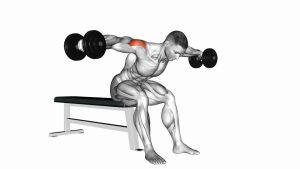
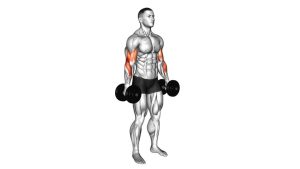
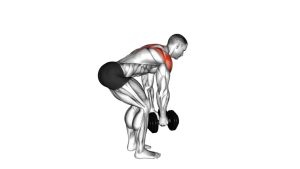
This exercise works best when you treat it as a controlled combo movement, not a race. The reverse fly portion should feel focused in the rear shoulders and mid-upper back, while the hammer curl should shift tension into the biceps, brachialis, and forearms. Keep the torso stable, maintain a neutral spine, and use a weight you can lift without jerking or standing up during the curl.
Quick Overview
| Body Part | Rear Shoulders |
|---|---|
| Primary Muscle | Rear deltoids |
| Secondary Muscle | Biceps, brachialis, brachioradialis, rhomboids, middle traps |
| Equipment | Dumbbells |
| Difficulty | Beginner to Intermediate |
Sets & Reps (By Goal)
- Muscle building: 3–4 sets × 8–12 combo reps with 60–90 seconds rest
- General upper-body training: 2–4 sets × 10–15 combo reps with controlled tempo
- Posture + rear delt emphasis: 3 sets × 12–15 combo reps using lighter dumbbells and strict form
- Accessory work after main lifts: 2–3 sets × 10–12 combo reps with moderate weight
Progression rule: First improve control in the reverse fly and keep the torso steady throughout the curl. Then increase reps before moving up in weight.
Setup / Starting Position
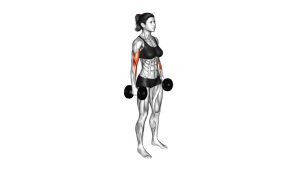
- Grab two dumbbells: Hold them at your sides with a neutral grip, palms facing each other.
- Set your stance: Stand with feet about hip- to shoulder-width apart and soften the knees slightly.
- Hinge at the hips: Push the hips back until your torso leans forward roughly 30–45 degrees while keeping the chest open.
- Brace your trunk: Keep your core tight, spine neutral, and neck in line with the rest of your body.
- Let the dumbbells hang naturally: Arms start below the shoulders with a slight bend in the elbows.
Tip: Think “long spine, proud chest, soft knees.” If the hinge position feels unstable, reduce the torso angle slightly and lighten the weight.
Execution (Step-by-Step)
- Set the hinge: Lock in your bent-over position and keep the torso still before lifting.
- Perform the reverse fly: Raise the dumbbells out to the sides in a wide arc until your upper arms approach shoulder level.
- Squeeze the rear delts: Pause briefly at the top without shrugging the shoulders toward the ears.
- Lower under control: Bring the dumbbells back down to the starting hang position.
- Go into the hammer curl: Keeping the neutral grip, curl the dumbbells upward toward your shoulders while staying braced.
- Pause and lower: Briefly control the top of the curl, then lower the dumbbells slowly back to the start.
- Repeat the full sequence: Each full rep includes one reverse fly and one hammer curl.
Pro Tips & Common Mistakes
- Use lighter dumbbells than you think: The reverse fly portion is usually the limiting factor.
- Keep a small elbow bend: Locking the elbows can make the fly feel stiff and reduce control.
- Do not yank the weights up: Momentum shifts stress away from the rear delts and biceps.
- Stay in the hinge: Avoid rising up during the hammer curl unless the variation is intentionally modified.
- Don’t shrug: Let the rear delts and upper back work instead of the upper traps taking over.
- Control the negative: Lowering the dumbbells slowly improves muscle tension and keeps the combo cleaner.
- Protect the lower back: Brace the abs and stop the set if the torso starts wobbling or rounding.
FAQ
What muscles does the Dumbbell Bent-Over Reverse Fly to Hammer Curl work?
It mainly targets the rear delts during the fly and the biceps, brachialis, and forearms during the hammer curl. The rhomboids and middle traps also help during the reverse fly.
Should I use heavy or light dumbbells for this exercise?
Start on the lighter side. Since the reverse fly is usually harder to control than the hammer curl, using too much weight often causes swinging, shrugging, and poor shoulder mechanics.
Is this exercise good for posture?
Yes, the reverse fly portion can help strengthen the rear shoulders and upper back, which supports better posture. Just make sure you perform the reps with a stable hinge and controlled shoulder movement.
Can beginners do this combo exercise?
Yes. Beginners should use light dumbbells, keep the range of motion smooth, and focus on mastering the bent-over reverse fly first. Once that portion feels stable, adding the hammer curl becomes much easier.
What is one full rep?
One full rep is one reverse fly followed by one hammer curl. That full sequence counts as a single combo repetition.
Recommended Equipment
- Adjustable Dumbbells — ideal for progressing the load gradually as your reverse fly and curl strength improves
- Light Neoprene Dumbbells — great for beginners focusing on strict rear delt fly mechanics and controlled tempo
- Weightlifting Gloves — can improve comfort and grip during higher-rep combo sets
- Adjustable Weight Bench — useful for adding supported rear delt and curl variations to your training plan
- Full-Length Fitness Mirror — helpful for checking torso angle, shoulder position, and overall rep quality
Tip: For this exercise, better control usually matters more than heavier loading. Choose equipment that helps you keep the movement clean and repeatable.