Dumbbell Hammer Curl: Proper Form, Forearm Focus, Sets, Tips & FAQ
Learn how to perform the Dumbbell Hammer Curl with proper form to build stronger forearms, brachialis, and biceps. Includes step-by-step execution, sets and reps by goal, common mistakes, FAQs, and recommended equipment.
Dumbbell Hammer Curl
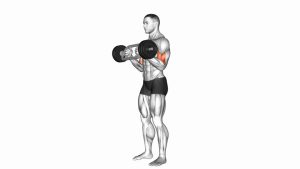
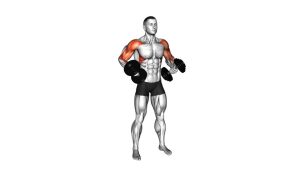
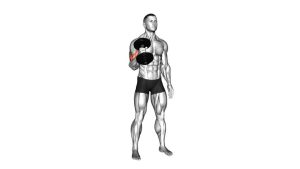
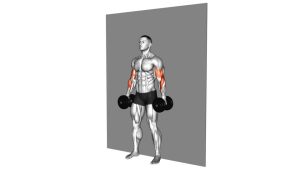
This exercise works best when you keep the movement strict and let the elbow do the work. In the analyzed video, the lifter stands tall with a neutral grip, raises the dumbbells in a smooth arc, reaches a strong contraction near shoulder height, and lowers them under control without swinging. That combination makes the hammer curl a highly effective choice for adding forearm density and improving overall arm development.
Quick Overview
| Body Part | Forearms |
|---|---|
| Primary Muscle | Brachioradialis and brachialis |
| Secondary Muscle | Biceps brachii, forearm flexors, grip musculature |
| Equipment | Pair of dumbbells |
| Difficulty | Beginner to Intermediate |
Sets & Reps (By Goal)
- Muscle growth: 3–4 sets × 8–12 reps, 60–90 seconds rest
- Forearm emphasis: 3–4 sets × 10–15 reps, controlled tempo, 45–75 seconds rest
- Strength focus: 4–5 sets × 6–8 reps, 90–120 seconds rest
- Beginner technique work: 2–3 sets × 10–12 reps with light-to-moderate load
Progression rule: Add reps before adding weight. Once you can perform all target reps with clean elbow control and no torso swing, increase the dumbbell load slightly.
Setup / Starting Position
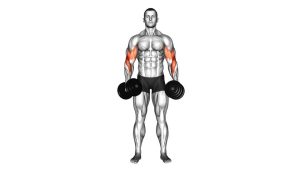
- Stand tall: Place your feet about hip- to shoulder-width apart and brace your core lightly.
- Hold the dumbbells neutrally: Keep your palms facing each other with your wrists straight.
- Set your elbows: Let your arms hang fully extended while keeping the elbows close to your torso.
- Pull the shoulders back gently: Keep the chest proud and avoid rounding forward.
- Start still: Do not lean back or preload the rep with momentum.
Tip: A slight squeeze through the handles helps stabilize the wrists and improves forearm recruitment.
Execution (Step-by-Step)
- Initiate the curl: Bend your elbows and raise the dumbbells upward while keeping your palms facing inward.
- Keep the elbows pinned: Allow only minimal elbow drift; do not let the upper arms swing forward excessively.
- Lift under control: Continue curling until the dumbbells approach shoulder level.
- Squeeze at the top: Pause briefly and contract the arms without shrugging the shoulders.
- Lower slowly: Reverse the movement and return to full elbow extension with control.
- Reset and repeat: Start the next rep from a stable bottom position without bouncing.
Pro Tips & Common Mistakes
- Keep a true neutral grip: Don’t rotate into a traditional supinated curl if you want maximum hammer-curl emphasis.
- Use full range: Lower to near full extension for better loading of the brachialis and brachioradialis.
- Control the eccentric: The lowering phase helps build more tension and improves technique.
- Avoid shoulder takeover: Don’t shrug or roll the shoulders forward at the top.
- Don’t let the wrists collapse: Keep them straight instead of curling them inward.
- Limit body swing: Excessive momentum reduces arm tension and shifts work away from the target muscles.
- Train both sides evenly: Match tempo and range of motion on each arm to avoid imbalances.
FAQ
What muscles does the dumbbell hammer curl work most?
The hammer curl primarily targets the brachialis and brachioradialis, while the biceps brachii still assists. That makes it one of the best curls for adding forearm thickness and overall arm mass.
Is the hammer curl better for forearms than a regular dumbbell curl?
For many lifters, yes. The neutral grip generally increases emphasis on the brachioradialis and can make the exercise feel more forearm-dominant than a fully supinated curl.
Should I do hammer curls with both arms together or alternating?
Both work well. Curling both dumbbells together saves time and increases total tension, while alternating reps can help you focus on control and reduce momentum.
How heavy should I go on hammer curls?
Use a weight that allows strict reps with no torso swing and no wrist breakdown. If your elbows drift a lot or you have to lean back, the load is too heavy.
Where should I feel the exercise?
Most lifters feel it in the outer upper arm, forearms, and around the brachialis area. You should not feel the lower back doing the work.
Recommended Equipment
- Adjustable Dumbbells — practical for progressive overload and home arm training
- Weight Lifting Gloves with Wrist Wraps — can improve comfort, grip security, and wrist support during higher-volume curling
- Dumbbell Rack — keeps your training area organized and makes weight changes easier
- Lifting Straps — useful when grip fatigue limits heavier dumbbell pulling or arm sessions
- Adjustable Dumbbell Set with Stand — a space-saving option for lifters building a compact home gym setup
Choose equipment that helps you maintain clean form first. For hammer curls, stable grip, manageable increments, and easy access to the right weight matter more than buying extra accessories.