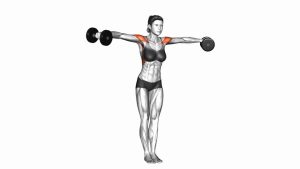
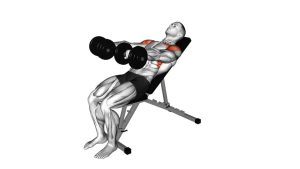
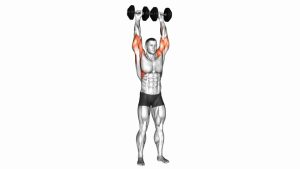
Dumbbell Downward Punch: Form, Muscles Worked, Sets, Tips & FAQ
Learn how to perform the Dumbbell Downward Punch with proper form. Discover muscles worked, setup, step-by-step execution, sets and reps by goal, common mistakes, FAQs, and recommended equipment.
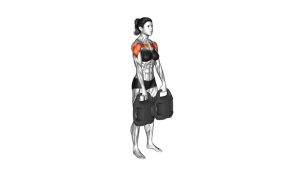
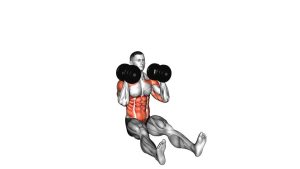
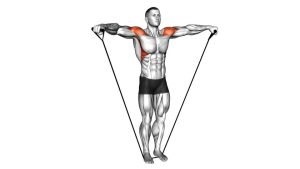
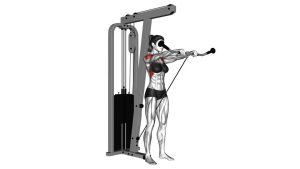
Dumbbell Downward Punch
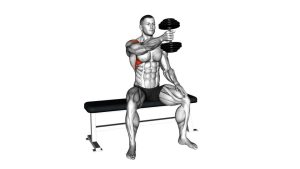
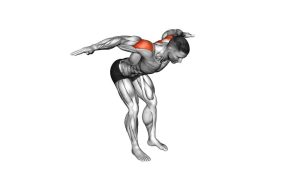
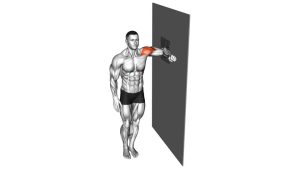
This exercise works best as a shoulder finisher, high-rep hypertrophy drill, or conditioning movement for the delts. Because the arms stay elevated for much of the set, the front shoulders accumulate significant time under tension. It is especially useful when you want shoulder stimulation without heavy overhead pressing.
Quick Overview
| Body Part | Front Shoulders |
|---|---|
| Primary Muscle | Anterior deltoids (front delts) |
| Secondary Muscle | Lateral deltoids, triceps, upper chest, rotator cuff stabilizers |
| Equipment | Pair of light to moderate dumbbells |
| Difficulty | Beginner to Intermediate |
Sets & Reps (By Goal)
- Muscle definition / hypertrophy: 3–4 sets × 10–15 reps
- Shoulder endurance: 2–4 sets × 15–25 reps
- Warm-up activation: 2–3 sets × 8–12 controlled reps with very light weight
- Finisher set: 1–2 sets × 20+ reps or timed sets of 30–45 seconds
Progression rule: First improve control, range, and rep quality. Then increase reps before moving up in weight. This exercise usually works better with moderate tension and clean mechanics than with heavy loading.
Setup / Starting Position
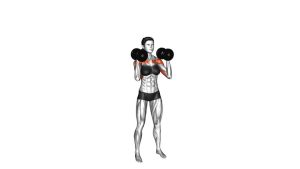
- Stand tall: Place your feet about hip-width apart and keep your knees softly unlocked.
- Hold the dumbbells securely: Start with a light pair of dumbbells that you can move smoothly without swinging.
- Brace your torso: Keep your ribs down, core lightly engaged, and chest lifted without over-arching the lower back.
- Set the shoulders: Keep them down and back slightly—avoid shrugging toward the ears.
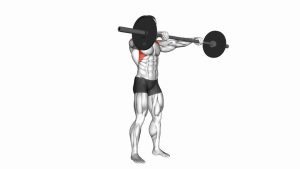
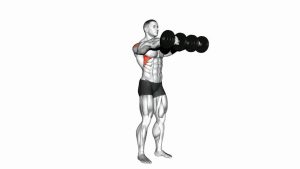
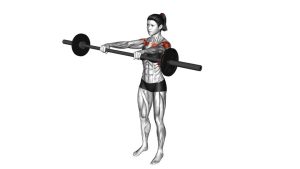
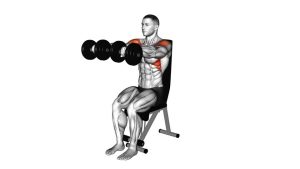
- Begin with the arms lifted: Bring the arms out and up into the working path with a slight bend in the elbows.
Tip: This movement is most effective when the dumbbells are light enough to let the shoulders stay in control for the full set.
Execution (Step-by-Step)
- Raise into position: Bring the arms upward with control so the shoulders are fully engaged and the elbows remain softly bent.
- Move through the top path: Continue lifting until the hands travel into a higher working position without letting the torso lean back.
- Drive the dumbbells downward: Actively press or “punch” the weights downward through the movement arc while keeping tension on the shoulders.
- Control the return: Do not let the weights drop. Guide them back into the next rep smoothly.
- Repeat rhythmically: Keep every rep fluid and deliberate, maintaining shoulder tension from start to finish.
Pro Tips & Common Mistakes
- Use lighter dumbbells than you think: This is a tension and control exercise, not a max-strength press.
- Keep a soft elbow bend: Locked elbows can make the movement feel harsher on the joints.
- Don’t shrug: Let the delts work instead of overusing the upper traps.
- Avoid torso sway: Stay upright and resist the urge to lean back for momentum.
- Control the downward phase: The “punch” should be active, but never reckless or jerky.
- Keep constant tension: Don’t fully relax at the bottom if your goal is shoulder burn and endurance.
- Stop short of pain: Slight fatigue and muscle burn are normal, but sharp shoulder discomfort is not.
FAQ
What muscles does the Dumbbell Downward Punch work most?
The exercise mainly targets the anterior deltoids, with assistance from the lateral delts, triceps, and other shoulder stabilizers.
Is this a pressing exercise or a raise?
It is a hybrid movement. It combines characteristics of a shoulder raise and a controlled pressing or punching action, which helps keep tension on the shoulders.
Should I use heavy dumbbells for this exercise?
Usually no. This movement is more effective with light to moderate dumbbells so you can maintain range of motion, shoulder control, and steady tension.
Where should I feel it during the set?
You should mainly feel it in the front of the shoulders, with some support from the side delts. If you mostly feel your neck or lower back, check your posture and reduce the load.
When should I program the Dumbbell Downward Punch?
It works well near the end of a shoulder workout, during higher-rep hypertrophy blocks, or as a light activation drill before heavier shoulder training.
Recommended Equipment
- Adjustable Dumbbells — versatile for finding the right load for controlled shoulder work
- Light Neoprene Dumbbells — ideal for high-rep shoulder isolation and endurance training
- Weightlifting Gloves — can improve grip comfort during longer shoulder sets
- Home Gym Exercise Mirror — useful for checking shoulder height, elbow path, and posture
- Resistance Bands Set — helpful for extra shoulder warm-ups, mobility drills, and accessory work
Tip: For this exercise, lighter tools with better control usually beat heavier loading. Prioritize feel, rhythm, and consistent shoulder tension.