Frogger Exercise: Form, Benefits, Sets, Tips & FAQ
Learn the Frogger exercise for core strength, hip mobility, cardio conditioning, and total-body control with step-by-step form tips.
Frogger
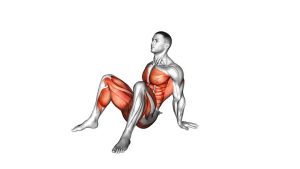
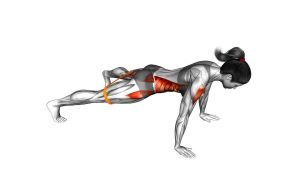
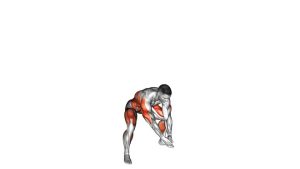
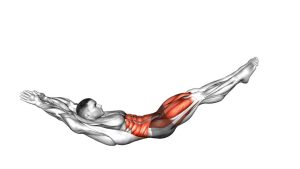
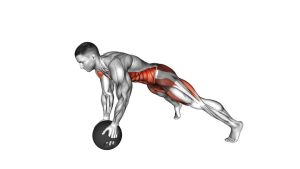
This exercise works best when the plank stays stable and the forward jump stays controlled. First, the body begins in a straight high plank. Then, the knees drive forward as the feet land near or slightly outside the hands. Finally, the legs return back to plank without letting the hips collapse. Because the movement is fast and athletic, clean rhythm matters more than rushing.
Quick Overview
| Body Part | Core |
|---|---|
| Primary Muscle | Abs, hip flexors, and quadriceps |
| Secondary Muscle | Glutes, shoulders, chest, triceps, calves, and upper-back stabilizers |
| Equipment | No equipment required |
| Difficulty | Intermediate |
Sets & Reps (By Goal)
- Beginner control: 2–3 sets × 6–10 slow reps, stepping instead of jumping if needed.
- Core conditioning: 3–4 sets × 10–15 reps with a steady plank reset after each rep.
- Cardio finisher: 3–5 rounds × 20–40 seconds, resting 30–60 seconds between rounds.
- Mobility-focused warm-up: 2–3 sets × 6–8 controlled reps with a brief pause in the deep frog position.
Progression rule: Build control first. After that, increase speed, reps, or work time only when every landing stays soft and every plank return stays stable.
Setup / Starting Position
- Start in a high plank: Place your hands under your shoulders with your arms straight.
- Extend your legs back: Keep your feet behind you and form a long line from head to heels.
- Brace your core: Pull your ribs down gently and avoid letting your lower back sag.
- Set your shoulders: Press the floor away so the shoulder blades stay controlled.
- Prepare to move: Keep your eyes slightly ahead of your hands and your hips level before the first rep.
Tip: If jumping forward feels too intense, step one foot forward and then the other. This keeps the pattern similar while reducing impact.
Execution (Step-by-Step)
- Hold the plank: Begin with your hands planted, arms straight, legs extended, and core tight.
- Drive the knees forward: Bend both knees and move your feet toward your hands in one controlled motion.
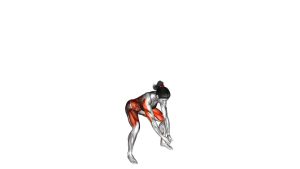
- Land in the frog position: Place your feet near or slightly outside your hands while your knees bend deeply.
- Keep the hands down: Maintain contact with the floor so the upper body stays stable.
- Pause briefly: Control the bottom position without collapsing into the shoulders or rounding aggressively.
- Push the feet back: Jump or step both feet back behind you.
- Return to plank: Finish each rep with your body long, your hips controlled, and your core braced.
Pro Tips & Common Mistakes
- Keep your hands fixed: Moving the hands forward can reduce control and make the plank unstable.
- Land softly: Avoid slamming the feet forward, especially when using the exercise for conditioning.
- Brace before jumping back: This protects your lower back as the legs extend behind you.
- Do not rush the reset: Each rep should return to a clear plank before the next forward drive.
- Avoid excessive hip sag: Sagging usually means the core is losing tension during the return phase.
- Use a step variation if needed: Stepping forward and back is still effective for learning the pattern.
- Match range to mobility: Land where your hips, knees, and ankles can stay controlled.
FAQ
What muscles does the Frogger exercise work?
The Frogger mainly works the abs, hip flexors, and quadriceps. In addition, the shoulders, chest, triceps, glutes, calves, and upper-back muscles help stabilize the body during the plank and transition phases.
Is the Frogger a core exercise or a cardio exercise?
It can be both. When performed slowly, it is a core-control and mobility drill. However, when performed in timed rounds, it becomes a high-energy cardio conditioning exercise.
Should beginners jump or step during Froggers?
Beginners should usually step first. This makes the exercise easier to control and reduces impact. Once the plank, landing, and return are smooth, a small jump can be added.
Why does my lower back sag during the Frogger?
Lower-back sagging usually happens when the core relaxes during the return to plank. To fix it, slow the movement down, brace before extending the legs, and finish every rep in a strong plank.
Can I use the Frogger as a warm-up?
Yes. Use low reps, a controlled tempo, and a comfortable range of motion. For conditioning, use timed rounds after your body is already warm.
Recommended Equipment (Optional)
- Exercise Mat — adds comfort for the hands and improves floor grip during plank transitions.
- Wrist Wraps — useful for extra wrist support during repeated plank-based movements.
- Non-Slip Training Shoes — help create better traction when jumping the feet forward and back.
- Exercise Sliders — allow a lower-impact sliding variation instead of jumping.
- Interval Training Timer — helpful for timed cardio rounds, HIIT circuits, and rest tracking.
Tip: Choose equipment that improves control, comfort, and consistency. The Frogger does not require gear, but the right surface and timing setup can make the exercise safer and easier to repeat.