Bodyweight Front Slam: Core Power, Form, Sets, Tips & FAQ
Learn the Bodyweight Front Slam for explosive core control, hip hinge power, and full-body conditioning with step-by-step form, sets, tips, and FAQs.
Bodyweight Front Slam
This exercise works best when the movement is fast, controlled, and coordinated. Although the arms move dramatically, the power should come from the full body instead of the shoulders alone. Therefore, keep the core braced, hinge from the hips, bend the knees naturally, and return smoothly to the tall overhead position after every rep.
Quick Overview
| Body Part | Core |
|---|---|
| Primary Muscle | Rectus abdominis |
| Secondary Muscle | Obliques, shoulders, lats, glutes, quads, hamstrings |
| Equipment | None |
| Difficulty | Beginner to Intermediate |
Sets & Reps (By Goal)
- Technique practice: 2–3 sets × 8–10 reps with a controlled tempo.
- Core power: 3–4 sets × 10–15 reps with strong but clean downward speed.
- Conditioning: 3–5 rounds × 20–30 seconds, resting 30–60 seconds between rounds.
- Warm-up activation: 1–2 sets × 8–12 reps before bodyweight, HIIT, or athletic training.
Progression rule: First improve rhythm and control. Then add more reps, longer work intervals, or faster execution only when your hinge and return stay clean.
Setup / Starting Position
- Stand tall: Place your feet about shoulder-width apart with your weight balanced through the mid-foot.
- Raise the arms overhead: Extend both arms above the head and keep the hands close together.
- Brace lightly: Tighten your core enough to control the torso without holding your breath.
- Soften the knees: Keep the legs ready to bend as the arms travel downward.
- Set your posture: Keep the chest lifted, shoulders relaxed, and gaze neutral before starting the slam.
The top position should look tall and stacked. In addition, the arms should prepare the downward swing without pulling the ribs excessively upward.
Execution (Step-by-Step)
- Start overhead: Stand tall with both arms extended above your head.
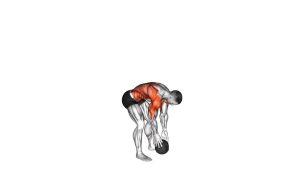
- Initiate the slam: Swing the arms forward and downward as your torso begins to fold.
- Hinge and bend: Push the hips slightly back while bending the knees naturally.
- Compress the core: Bring the arms toward the floor as the abs contract strongly.
- Reach the bottom position: Let the torso lean forward while staying controlled through the spine and hips.
- Reverse smoothly: Drive the torso back up as the arms return overhead.
- Reset tall: Finish each rep in the same upright overhead position before starting the next one.
Pro Tips & Common Mistakes
Pro Tips
- Use the whole body: Let the hips, knees, core, shoulders, and arms move together.
- Keep the rhythm sharp: Move down with purpose, then return up smoothly.
- Brace before each rep: A light core brace helps protect the lower back during the forward hinge.
- Control the bottom: Reach down powerfully, but do not collapse into the floor.
- Breathe with the slam: Exhale as the arms drive downward, then inhale as you reset overhead.
Common Mistakes
- Only using the arms: This reduces core involvement and makes the movement less athletic.
- Over-rounding the back: A slight forward fold is normal, but avoid uncontrolled spinal collapse.
- Locking the knees: Stiff legs limit power and can make the hinge feel awkward.
- Rushing the reset: Return fully overhead before beginning the next repetition.
- Looking straight down too hard: Let the head follow naturally without forcing the neck.
FAQ
What is the Bodyweight Front Slam good for?
The Bodyweight Front Slam is useful for training standing core power, bodyweight conditioning, and full-body coordination. Additionally, it works well as a no-equipment alternative to a medicine ball slam.
Is the Bodyweight Front Slam an ab exercise?
Yes. The abs work strongly when the torso compresses and the arms drive downward. However, the movement also involves the shoulders, lats, hips, glutes, and legs.
Do I need a medicine ball for this exercise?
No. This version uses only bodyweight. Even so, you can later progress to medicine ball slams if you want more resistance and impact.
Should I move fast or slow?
Start slow enough to control the hinge and core contraction. Then, once your form is stable, increase speed while keeping each rep clean.
Who should be careful with this movement?
Anyone with lower-back pain, dizziness, balance issues, or discomfort during forward bending should use a smaller range or choose a slower core drill. If symptoms continue, professional guidance is recommended.
Recommended Equipment
- Exercise Mat — helpful for warm-ups, cooldowns, and floor-based core work paired with this drill.
- Medicine Ball — useful if you later want to progress from bodyweight front slams to loaded slam variations.
- Non-Slip Training Shoes — supports foot grip during fast standing conditioning movements.
- Interval Training Timer — useful for timed HIIT rounds, conditioning circuits, and work-rest intervals.
- Resistance Bands Set — excellent for adding upper-back activation, shoulder warm-ups, and athletic prep work.
Tip: This exercise does not require equipment. However, these tools can support safer warm-ups, better conditioning sessions, and future progression options.