L Pull-Up: Form, Core Benefits, Sets, Tips & FAQ
Learn the L Pull-Up for back, arms, and core strength. Get step-by-step form, sets by goal, mistakes, FAQs, and useful equipment.
L Pull-Up
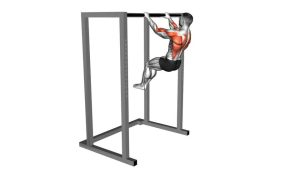
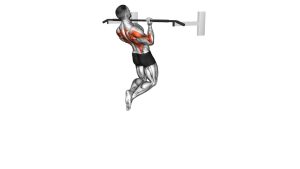
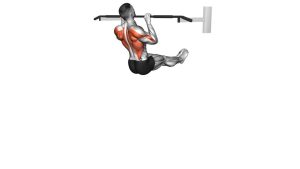
This exercise demands strong pulling mechanics and strong core tension. Therefore, it should be performed with a controlled tempo, a firm grip, and a stable trunk. During every rep, the arms pull the body upward while the abs and hip flexors work hard to keep the legs raised. As a result, the L Pull-Up is much harder than a standard pull-up.
Quick Overview
| Body Part | Back |
|---|---|
| Primary Muscle | Latissimus dorsi |
| Secondary Muscle | Biceps, forearms, rectus abdominis, hip flexors, core stabilizers |
| Equipment | Pull-up bar or pull-up station |
| Difficulty | Advanced |
Sets & Reps (By Goal)
- Strength: 3–5 sets × 2–5 controlled reps, resting 2–3 minutes between sets.
- Muscle building: 3–4 sets × 4–8 reps, using a strict tempo and full control.
- Core endurance: 3–4 sets × 3–6 reps with a 2–3 second leg hold at the bottom.
- Skill practice: 4–6 sets × 1–3 perfect reps, focusing on clean leg position and no swing.
Progression rule: First improve strict pull-up strength. Then improve hanging leg raise control. After that, combine both skills into short, clean L Pull-Up sets.
Setup / Starting Position
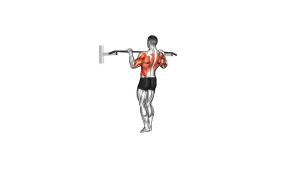
- Grip the bar: Hold the pull-up bar with an overhand grip slightly wider than shoulder width.
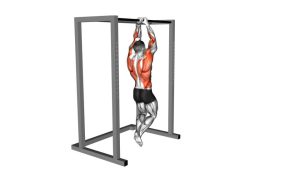
- Start from a hang: Let the arms extend while keeping the shoulders controlled, not completely loose.
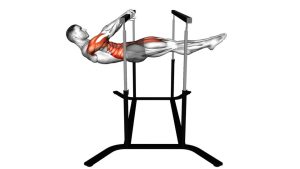
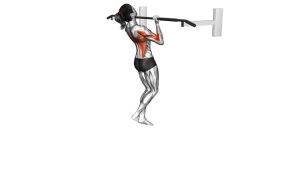
- Raise the legs: Lift both legs straight forward until they form an L-shape with the torso.
- Brace the core: Tighten the abs and keep the ribs controlled so the lower back does not arch heavily.
- Set the body: Keep the legs straight, feet together, and torso steady before beginning the pull.
Tip: If your legs drop before you start pulling, practice hanging leg raises and L-sit holds before attempting full reps.
Execution (Step-by-Step)
- Begin in the L-position: Hang from the bar while holding both legs straight forward.
- Pull the shoulders down: Start the rep by engaging the back and pulling the shoulder blades down.
- Drive the elbows down: Bend the elbows and pull your chest upward toward the bar.
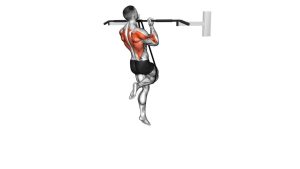
- Keep the legs fixed: Maintain the L-position as the body rises. Do not let the knees bend or legs drop.
- Reach the top: Pull until the chin reaches or passes bar height while keeping control.
- Lower slowly: Extend the elbows under control and return to the bottom position without swinging.
- Reset before the next rep: Keep the legs raised, regain tension, and repeat only if your form remains clean.
Pro Tips & Common Mistakes
- Keep the legs straight: The L-position is the main feature of this exercise, so avoid bending the knees unless using a regression.
- Pull with the back first: Start by depressing the shoulders before bending the elbows strongly.
- Avoid kipping: Do not use leg swing or hip momentum to reach the top.
- Control the descent: Lower slowly to build strength and prevent shoulder irritation.
- Brace before every rep: A strong core position helps prevent the lower back from arching.
- Use shorter sets: Because this variation is demanding, quality matters more than high reps.
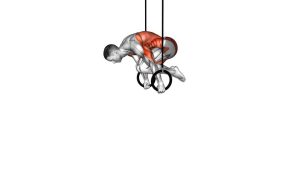
- Train progressions: Standard pull-ups, hanging leg raises, and tuck L pull-ups all help build the full movement.
FAQ
What muscles does the L Pull-Up work?
The L Pull-Up mainly works the latissimus dorsi, while the biceps and forearms assist the pulling motion. At the same time, the abs and hip flexors work hard to hold the legs forward.
Is the L Pull-Up harder than a regular pull-up?
Yes. It is harder because the legs stay raised throughout the rep. As a result, the core must work continuously while the upper body performs the pull-up.
Can beginners do L Pull-Ups?
Most beginners should build toward this exercise first. Start with strict pull-ups, hanging knee raises, hanging leg raises, and tuck pull-ups before trying the full L Pull-Up.
Why do my legs drop during the movement?
Your legs may drop because the abs, hip flexors, or grip are not strong enough yet. Therefore, reduce the difficulty by bending the knees or practicing separate L-sit holds.
Should I use momentum?
No. This exercise should be strict. Momentum reduces muscle tension and makes the movement less effective for strength and control.
Recommended Equipment
- Pull-Up Bar — essential for practicing strict pull-ups and L Pull-Ups at home.
- Pull-Up Assist Bands — useful for reducing bodyweight load while learning controlled pulling strength.
- Gymnastics Grips — help protect the hands during high-tension bar training.
- Ab Straps for Pull-Up Bar — useful for building hanging core strength with knee raises and leg raises.
- Gym Chalk — improves grip security during strict pull-up and calisthenics training.
Tip: Choose equipment based on your current level. If grip or core strength limits your reps, support tools can help you build control safely.