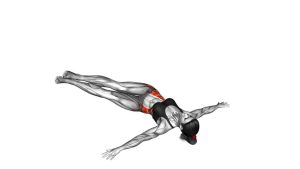
Straddle Planche: Form, Muscles Worked, Progressions & Tips
Learn the Straddle Planche with safe setup, step-by-step form, muscle activation, sets, mistakes, FAQs, and equipment for advanced calisthenics.
Straddle Planche
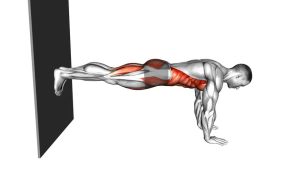
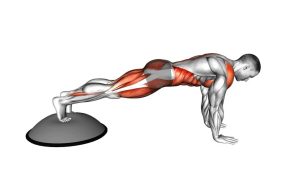
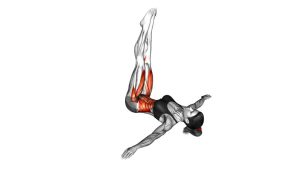
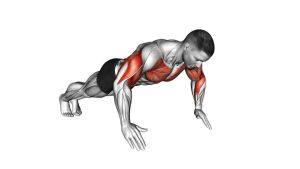
The Straddle Planche is not just a balance trick. Instead, it is a high-level straight-arm strength exercise that requires patience, joint preparation, and progressive overload. Because the legs are spread apart, the lever becomes slightly easier than a full planche; however, the movement still places intense demand on the shoulders, wrists, elbows, and core. For best results, build the skill through tuck planche holds, advanced tuck holds, planche leans, scapular push-ups, and core compression drills before attempting long straddle holds.
Quick Overview
| Body Part | Shoulders |
|---|---|
| Primary Muscle | Anterior deltoids, chest, serratus anterior, and core |
| Secondary Muscle | Triceps, hip flexors, forearms, wrists, obliques, glutes, and upper back stabilizers |
| Equipment | Bodyweight only; optional parallettes, wrist wraps, resistance bands, or gymnastics blocks |
| Difficulty | Advanced to elite-level calisthenics skill |
Sets & Reps (By Goal)
- Skill practice: 4–6 sets × 5–10 second holds with 90–180 seconds rest
- Straight-arm strength: 3–5 sets × 3–6 controlled attempts with 2–3 minutes rest
- Planche progression work: 3–4 sets × 8–15 second planche leans before straddle attempts
- Core compression support: 3–4 sets × 10–20 seconds of L-sit, hollow hold, or straddle compression drills
- Deload or technique day: 2–3 sets × short, clean holds at 60–70% effort
Progression rule: Add time only when your elbows stay locked, shoulders remain protracted, hips stay lifted, and the body does not collapse. Clean 5-second holds are more valuable than longer holds with bent arms or sagging hips.
Setup / Starting Position
- Warm up your wrists: Perform wrist circles, palm pulses, gentle wrist rocks, and finger extensions before loading your hands.
- Place your hands firmly: Set the hands slightly wider than shoulder-width on the floor or on parallettes. Spread the fingers and grip the ground for balance.
- Lock the elbows: Keep the arms straight from the start. The Straddle Planche is a straight-arm skill, so elbow bending changes the movement.
- Protract the shoulders: Push the floor away and round the upper back slightly. This activates the serratus anterior and creates a stronger planche base.
- Lean forward gradually: Shift the shoulders in front of the wrists until the feet feel lighter. Avoid jumping into position.
- Open the legs: Spread both legs into a wide straddle. A wider straddle shortens the lever and usually makes the hold more manageable.
- Brace the body: Squeeze the abs, tighten the glutes lightly, point the toes, and keep the hips from dropping.
Setup quality determines the entire hold. If your shoulders are not forward enough, the legs will not lift. If your core is loose, the hips will sink even if your shoulders are strong.
Execution (Step-by-Step)
- Start in a strong planche lean: Place your hands down, lock your elbows, and push firmly through the floor.
- Move the shoulders forward: Let the shoulders travel past the wrists while keeping the chest lifted and the upper back rounded.
- Separate the legs: Open the legs into a straddle before or during the lift. Keep both knees straight and toes pointed.
- Lift with control: Engage the core and raise both feet off the floor without kicking. The movement should look smooth, not rushed.
- Hold the horizontal line: Keep the hips close to shoulder height. Meanwhile, maintain locked elbows and strong scapular protraction.
- Breathe shallow and steady: Avoid holding your breath too hard. Use small, controlled breaths while maintaining tension.
- Lower with control: Bring the feet back down slowly instead of dropping. This builds strength and protects the wrists and shoulders.
Pro Tips & Common Mistakes
- Push the floor away: Strong scapular protraction helps prevent the chest from sinking and improves balance.
- Keep the elbows locked: Bent elbows reduce straight-arm strength development and can overload the joints poorly.
- Lean before you lift: The shoulders must move forward enough to counterbalance the legs.
- Use a wide straddle: A wider leg position usually makes the hold easier because it reduces the lever demand.
- Do not jump into the hold: Kicking up may create the illusion of a planche, but it does not build reliable control.
- Avoid sagging hips: When the hips drop, the core is no longer supporting the skill correctly.
- Train wrists consistently: Strong wrists and forearms are essential because the hands control balance.
- Use parallettes when needed: Parallettes can reduce wrist extension stress and allow a stronger grip.
- Practice short holds: Multiple clean holds are better than one long, shaky attempt.
- Respect recovery: Planche training is demanding. Therefore, avoid max-effort attempts every day.
FAQ
What muscles does the Straddle Planche work?
The Straddle Planche mainly works the anterior deltoids, chest, serratus anterior, triceps, core, hip flexors, wrists, and forearms. In addition, the glutes, obliques, and upper back stabilizers help keep the body rigid during the hold.
Is the Straddle Planche harder than the tuck planche?
Yes. The Straddle Planche is much harder than the tuck planche because the legs extend away from the body. Although the straddle position is easier than a full planche, it still requires advanced shoulder strength and excellent body control.
How long should I hold a Straddle Planche?
Beginners to the skill should aim for clean 3–5 second holds. Once the position becomes stable, progress toward 8–12 second holds. Quality matters more than time, especially when protecting the wrists, elbows, and shoulders.
Should I train Straddle Planche every day?
Most athletes should not train maximum Straddle Planche attempts every day. Instead, practice 2–4 times per week while rotating lighter technique work, wrist conditioning, core compression, and shoulder accessory training.
Why do my hips drop during the Straddle Planche?
Hips usually drop because the core is not tight enough, the shoulders are not far enough forward, or the athlete is attempting a progression that is too difficult. Planche leans, tuck holds, hollow body holds, and band-assisted planche work can help fix this issue.
Are parallettes better than the floor for Straddle Planche?
Parallettes are often easier on the wrists because they reduce extreme wrist extension. However, floor practice develops strong hand pressure and balance. Many athletes use both depending on their wrist comfort and training goal.
Recommended Equipment (Optional)
- Wooden Parallettes — useful for planche holds, wrist comfort, grip strength, and straight-arm calisthenics practice
- Calisthenics Wrist Wraps — provide light wrist support during planche leans, push work, and high-load hand balancing
- Resistance Bands for Planche Assistance — help reduce bodyweight load while practicing planche position, balance, and hold time
- Gymnastics Blocks — useful for elevated hand positions, progression work, compression drills, and skill development
- Non-Slip Exercise Mat — gives a stable surface for warm-ups, wrist preparation, core drills, and controlled planche practice
Tip: Equipment should support better technique, not hide poor form. If a tool causes pain or instability, reduce intensity and return to easier progressions.