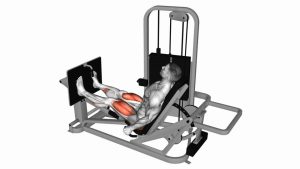
Lever Leg Extension: Proper Form, Quad Muscles, Sets & Tips
Learn the Lever Leg Extension for stronger quads with proper setup, step-by-step form, sets by goal, common mistakes, FAQs, and gear tips.
Lever Leg Extension
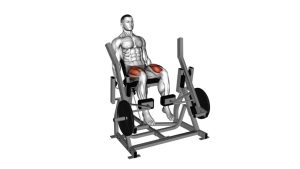
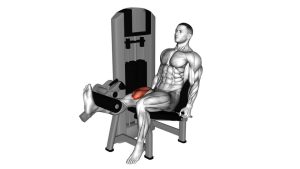
The Lever Leg Extension works best when the movement is controlled from start to finish. Instead of kicking the pad with momentum, focus on lifting through the quadriceps, pausing briefly near the top, and lowering the weight with control. A smooth tempo keeps tension on the target muscles and reduces unnecessary stress on the knees.
Quick Overview
| Body Part | Quads |
|---|---|
| Primary Muscle | Quadriceps — rectus femoris, vastus lateralis, vastus medialis, vastus intermedius |
| Secondary Muscle | Hip flexors and core stabilizers assist lightly by helping maintain seated posture |
| Equipment | Lever leg extension machine |
| Difficulty | Beginner to intermediate |
Sets & Reps (By Goal)
- Beginner technique: 2–3 sets × 10–12 reps with light-to-moderate weight
- Muscle growth: 3–4 sets × 10–15 reps with a controlled 1–2 second squeeze
- Strength focus: 3–5 sets × 6–10 reps with strict form and full control
- Quad finisher: 2–3 sets × 15–20 reps using moderate weight and slow lowering
- Rehab-style control: 2–3 sets × 12–15 reps with very light resistance and no pain
Progression rule: Add reps first, then increase weight gradually. If your hips lift, your torso swings, or your knees feel irritated, the load is too heavy.
Setup / Starting Position
- Sit fully back: Place your back firmly against the seat pad so your torso stays supported.
- Align the knees: Adjust the seat so your knees line up with the machine’s pivot point.
- Set the roller pad: Position the pad just above the ankles, not on the feet or high on the shins.
- Grip the handles: Hold the side handles lightly to keep your hips stable during the lift.
- Start with bent knees: Begin with the knees flexed and the weight under control before the first rep.
- Choose a smart load: Use a weight that lets you lift smoothly without jerking or swinging.
Setup matters. If the machine is not adjusted correctly, the exercise can feel awkward and may place more stress on the knees than necessary.
Execution (Step-by-Step)
- Brace lightly: Keep your back against the pad, ribs controlled, and hands on the handles.
- Extend the knees: Drive the roller pad upward by contracting the quadriceps.
- Lift smoothly: Avoid kicking. The lower legs should rise in a controlled arc.
- Squeeze at the top: Pause briefly when the legs are nearly straight, without forcing a hard lockout.
- Lower with control: Return the weight slowly until the knees are bent again.
- Keep tension: Do not let the weight stack crash between reps.
Pro Tips & Common Mistakes
- Use controlled reps: Fast kicking reduces muscle tension and increases joint stress.
- Avoid aggressive lockout: Straighten the legs strongly, but do not snap the knees at the top.
- Keep hips down: If your hips lift off the seat, reduce the weight.
- Do not lean forward: Keep your back supported so the quadriceps do the work.
- Control the eccentric: The lowering phase should be slow and steady.
- Adjust the pad correctly: A pad placed too high or too low can make the movement uncomfortable.
- Use a full comfortable range: Move through the largest pain-free range you can control.
- Pair with compound lifts: Use leg extensions after squats, lunges, or leg press for extra quad volume.
FAQ
What muscles does the Lever Leg Extension work?
The Lever Leg Extension primarily targets the quadriceps, including the rectus femoris, vastus lateralis, vastus medialis, and vastus intermedius. It is one of the most direct machine exercises for isolating the front of the thighs.
Is the Lever Leg Extension good for building quads?
Yes. It is very effective for quad hypertrophy because it allows direct knee extension work without heavy spinal loading. It is especially useful after compound leg exercises when you want extra quadriceps volume.
Should I lock my knees at the top?
You can extend close to straight, but avoid snapping or forcing the knees into a hard lockout. A controlled squeeze near the top is safer and better for keeping tension on the quadriceps.
Why do I feel knee discomfort during leg extensions?
Knee discomfort may come from using too much weight, poor machine alignment, moving too fast, or forcing the range of motion. Reduce the load, check the pivot alignment, and use a slower tempo. Stop if pain persists.
Is the Lever Leg Extension better before or after squats?
Most lifters use it after squats, leg press, or lunges as a quad isolation finisher. It can also be used before compound lifts as a light warm-up, but heavy pre-fatigue may reduce squat performance.
Can beginners do the Lever Leg Extension?
Yes. Beginners can use this exercise because the machine guides the movement. Start light, adjust the seat correctly, and focus on smooth knee extension without swinging.
Recommended Equipment
- Leg Extension Machine — ideal for direct quadriceps isolation and home gym leg training
- Adjustable Leg Extension / Leg Curl Machine — useful for training both quadriceps and hamstrings with one unit
- Weightlifting Knee Sleeves — provides warmth and light support during leg training
- Cable Machine Ankle Straps — useful for cable-based leg extension variations when a machine is unavailable
- Fitness Training Log Book — helps track sets, reps, weight, tempo, and progressive overload
Tip: Equipment should support better control, not encourage heavier cheating. Choose tools that help you keep the knees aligned, the hips stable, and the reps smooth.