Smith Machine Leg Press: Form, Muscles, Sets, Tips & FAQ
Learn the Smith Machine Leg Press for stronger quads and glutes. Includes setup, step-by-step form, sets, mistakes, FAQs, and equipment tips.
Smith Machine Leg Press
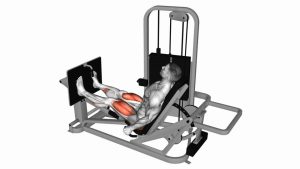
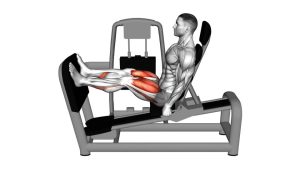
This exercise is useful when you want a leg press-style movement but only have access to a Smith machine and bench. Because the bar moves on rails, the exercise can feel more stable than a free-weight press. However, setup matters a lot. Your feet must stay secure on the bar, your hips must stay stable on the bench, and your knees should track in the same direction as your toes.
Quick Overview
| Body Part | Legs |
|---|---|
| Primary Muscle | Quadriceps |
| Secondary Muscle | Glutes, hamstrings, calves, hip stabilizers |
| Equipment | Smith machine, flat bench, weight plates, stable training shoes |
| Difficulty | Beginner to Intermediate |
Sets & Reps (By Goal)
- Beginner technique practice: 2–3 sets × 10–12 reps with light weight and slow control
- Muscle growth: 3–4 sets × 8–15 reps with a controlled lowering phase
- Quad emphasis: 3–5 sets × 10–15 reps using a moderate stance and full knee bend
- Strength focus: 4–5 sets × 5–8 reps using heavier weight while keeping strict foot control
- Finisher / pump work: 2–3 sets × 15–20 reps with lighter weight and constant tension
Progression rule: Add weight only when every rep stays smooth, your feet remain secure, your knees track cleanly, and you can lower the bar without bouncing at the bottom.
Setup / Starting Position
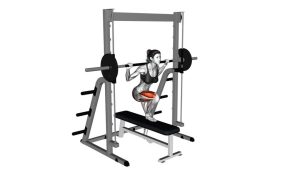
- Position the bench: Place a flat bench inside the Smith machine so your body lines up directly under the bar path.
- Set the safety stops: Adjust the safeties high enough to catch the bar before it can drop too low toward your body.
- Lie on the bench: Keep your upper back, hips, and head supported. Stay centered under the bar.
- Place your feet on the bar: Use a shoulder-width stance with the feet evenly placed. Toes can point slightly outward if that feels natural.
- Start with bent knees: Bring the bar into a comfortable bottom position where your knees are flexed but your hips and lower back stay stable.
- Brace before pressing: Tighten your core lightly, keep your pelvis steady, and grip the bench or machine frame only for stability.
The bar should sit securely across the middle of your shoes. Avoid pressing with only the toes or placing the bar too close to the heel edge.
Execution (Step-by-Step)
- Brace and unlock the bar: Create full-body tension, then carefully rotate or release the Smith bar from the hooks.
- Press through the full foot: Drive the bar upward by extending your knees and hips together.
- Keep the knees aligned: Let your knees travel in the same direction as your toes. Do not allow them to collapse inward.
- Stop before hard lockout: Reach near full leg extension while keeping a small bend in the knees.
- Lower with control: Bend the knees slowly and guide the bar back down along the rails.
- Use a comfortable depth: Lower until you feel a strong leg stretch without your hips rolling, lower back lifting, or feet shifting.
- Repeat smoothly: Keep each rep consistent. Press, pause briefly near the top, lower, and repeat without bouncing.
Pro Tips & Common Mistakes
- Use safety stops every time: This is essential because the bar is above your body and controlled by your feet.
- Keep the feet even: Uneven foot placement can make one leg dominate and may cause the bar to shift.
- Do not bounce at the bottom: A bouncing rep reduces muscle tension and increases joint stress.
- Avoid locking the knees hard: Stop with a soft knee bend to keep tension on the muscles instead of the joints.
- Control the eccentric: Lower for 2–3 seconds to improve quad tension and movement quality.
- Keep your hips down: If your hips roll or your lower back lifts, shorten the range of motion.
- Choose load carefully: This exercise rewards control more than ego lifting because foot security is the main safety factor.
- Match stance to comfort: A moderate stance usually targets the quads well. A slightly wider stance may involve more glutes and inner thigh.
FAQ
What muscles does the Smith Machine Leg Press work?
The main muscle worked is the quadriceps. The glutes assist during hip extension, while the hamstrings, calves, and hip stabilizers help control the movement and keep the legs aligned.
Is the Smith Machine Leg Press safe?
It can be safe when performed with a stable bench, secure foot placement, controlled weight, and properly set safety stops. The biggest risks are foot slipping, poor bench setup, excessive depth, and using more weight than you can control.
Is this exercise the same as a regular leg press?
No. A regular leg press uses a sled or platform designed for foot pressing. The Smith Machine Leg Press uses a bar on rails, so the setup is different and requires extra attention to foot security and safety stops.
Should I lock my knees at the top?
Avoid aggressive knee lockout. Stop near full extension with a slight bend in the knees. This keeps tension on the quads and reduces unnecessary joint stress.
Where should I place my feet on the bar?
Place the bar across the middle of your shoes with your feet about shoulder-width apart. Keep pressure through the full foot and avoid pressing only through the toes.
Who should avoid this exercise?
Avoid this movement if you cannot keep your feet secure, if your gym setup does not allow proper safety stops, or if you have knee, hip, or lower-back pain that worsens during pressing. Use a standard leg press machine when available if safety is a concern.
Recommended Equipment
- Smith Machine Home Gym — the main station needed for this fixed-path leg press variation
- Flat Weight Bench — supports your body during the bench-based pressing position
- Olympic Weight Plates — allows progressive overload as your leg strength improves
- Weightlifting Shoes — gives a stable, grippy base for pressing against the Smith bar
- Barbell Pad — may improve comfort and grip between the bar and shoes for some lifters
Tip: Prioritize a stable bench, secure shoes, and correctly positioned safety stops before adding weight. This exercise depends on control and setup quality.