Sitting Incline Press Step-Out on a Padded Stool: Form, Sets, Tips & FAQ
Learn how to do the Sitting Incline Press Step-Out on a padded stool with proper form. Discover muscles worked, setup, step-by-step execution, sets by goal, mistakes to avoid, FAQs, and recommended equipment.
Sitting Incline Press Step-Out on a Padded Stool
This exercise works best when the upper body stays tall and the lower body moves with control. The pressing motion should feel smooth and natural, while the step-out adds a light balance and hip-stability challenge. It is especially useful for beginners, low-impact circuits, movement prep, and functional training sessions where you want to coordinate upper- and lower-body actions at the same time.
Quick Overview
| Body Part | Chest |
|---|---|
| Primary Muscle | Upper chest (clavicular pec fibers), anterior deltoids |
| Secondary Muscle | Triceps, glute medius, hip abductors, core stabilizers, quadriceps |
| Equipment | Padded stool or bench; optional light dumbbells or no external load |
| Difficulty | Beginner to Intermediate |
Sets & Reps (By Goal)
- Warm-up / activation: 2–3 sets × 8–10 reps per side with smooth tempo and light effort
- Coordination & control: 2–4 sets × 10–14 total reps with deliberate press-and-step timing
- Low-impact conditioning: 2–4 sets × 12–20 total reps with short rest and steady rhythm
- Beginner movement practice: 1–3 sets × 6–8 reps per side using bodyweight or very light resistance
Progression rule: First improve control, balance, and timing. Then add reps, slightly increase tempo, or use light dumbbells once posture stays solid through every repetition.
Setup / Starting Position
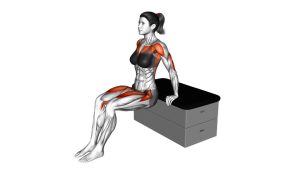
- Sit tall on the padded stool: Position yourself near the center with both feet flat and knees comfortably bent.
- Brace lightly through the core: Keep your ribs stacked over your hips and avoid slouching or leaning back.
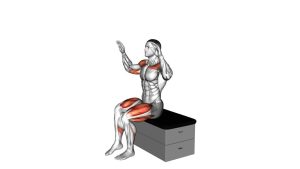
- Bring the arms into a press-ready position: Elbows bent, hands near chest or shoulder height, as if preparing for an incline press.
- Set your shoulders: Keep them down and relaxed instead of shrugged.
- Start balanced: Your weight should feel even on the stool before you begin stepping outward.
Tip: Start without weights until your press path and step-out timing feel natural.
Execution (Step-by-Step)
- Begin from the seated press position: Sit upright with your chest lifted and core engaged.
- Press the arms forward and slightly upward: Use a controlled incline-style pressing motion without locking out aggressively.
- At the same time, step one foot out to the side: Keep the foot movement smooth and controlled rather than wide or sudden.
- Pause briefly: Reach the end of the press and step-out together while keeping your torso stable.
- Return to start: Bring the foot back in and lower the arms to the original press-ready position.
- Alternate sides: Repeat with the opposite leg while maintaining the same pressing rhythm.
Pro Tips & Common Mistakes
- Stay tall on the stool: Avoid leaning backward during the press.
- Use a moderate press path: Think forward-and-up, not straight overhead.
- Keep the step-out controlled: Too much distance can pull you out of position.
- Do not rush the coordination: Let the press and the step reach the end position together.
- Keep the shoulders relaxed: Shrugging shifts stress away from the target muscles.
- Avoid collapsing inward: Knees and toes should stay aligned during the step-out.
- Start light: Master the seated pattern before adding resistance or speed.
FAQ
What muscles does the Sitting Incline Press Step-Out work?
It mainly targets the upper chest and front delts, while the triceps, core, glutes, and hip stabilizers assist with the press and the lateral step-out.
Is this more of a strength exercise or a coordination drill?
It is primarily a coordination and stability exercise. It can support muscular endurance, but its biggest value comes from integrating upper- and lower-body movement in a controlled way.
Can beginners do this exercise?
Yes. Beginners can perform it without weights and use a smaller step-out. Focus on posture, rhythm, and clean mechanics before increasing difficulty.
Should I use dumbbells for this movement?
You can, but they should usually be light. This movement is easier to learn bodyweight-first, especially if balance or timing is still improving.
What is the biggest mistake to avoid?
The most common mistake is turning it into a rushed movement. Leaning back, stepping too wide, and losing shoulder position all reduce the quality of the exercise.
Recommended Equipment
- Resistance Band Set — useful for adding light pressing resistance or pairing this movement with band warm-ups and posture work
- Neoprene Dumbbell Set — a good option if you want to progress from bodyweight to light external loading
- Balance Pad — helpful for general stability work, kneeling drills, and low-impact balance training
- Adjustable Aerobic Step Platform — a versatile home-gym tool that can be used for step drills, seated setups, and low-impact conditioning
- Padded Exercise Stool or Bench — provides a more stable and comfortable seat for repeated practice of seated movement patterns
Tip: Choose equipment that helps you keep the movement smooth and controlled rather than turning it into a heavy press.