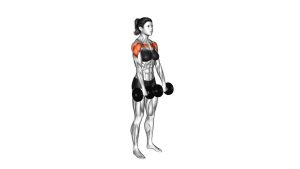
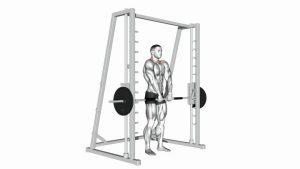
EZ-Bar Standing Upright Row: Proper Form, Sets, Muscles Worked & Tips
Learn how to do the EZ-Bar Standing Upright Row with proper form. Discover muscles worked, setup, step-by-step execution, sets and reps by goal, common mistakes, FAQs, and recommended equipment.
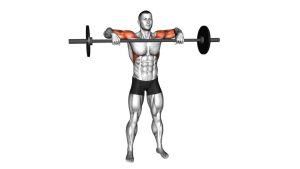
EZ-Bar Standing Upright Row
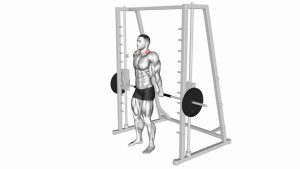
This exercise is best used to build rounder shoulders, improve upper-body pulling control, and add volume to the side delts and upper traps. It works especially well in hypertrophy-focused shoulder sessions, but it should be performed with control and moderate loading. A clean rep emphasizes elbow drive and smooth bar travel rather than momentum, torso swing, or excessive shoulder shrugging.
Quick Overview
| Body Part | Shoulders |
|---|---|
| Primary Muscle | Lateral deltoids |
| Secondary Muscle | Upper trapezius, biceps, forearms |
| Equipment | EZ curl bar (loaded or fixed-weight) |
| Difficulty | Intermediate |
Sets & Reps (By Goal)
- Muscle growth: 3–4 sets × 8–15 reps with controlled tempo and 45–75 sec rest
- Shoulder accessory work: 2–4 sets × 10–15 reps after presses or lateral raises
- Technique practice: 2–3 sets × 8–10 reps using light weight and strict form
- Upper trap emphasis: 3–4 sets × 8–12 reps with moderate load and no body swing
Progression rule: Add reps first, then increase load gradually. Keep every rep smooth and stop the set if shoulder discomfort or momentum starts to take over.
Setup / Starting Position
- Stand tall: Place your feet about hip- to shoulder-width apart and keep your chest up with your core braced.
- Grip the EZ bar: Hold the bar with a narrow-to-moderate overhand grip using the angled sections that feel most natural for your wrists.
- Start low: Let the bar hang in front of your thighs with your arms extended and shoulders relaxed.
- Align posture: Keep your spine neutral, neck relaxed, and eyes looking forward.
- Prepare to lead with the elbows: Think about pulling the elbows up and out rather than curling the bar with your hands.
Tip: If a very narrow grip bothers your shoulders, use a slightly wider hand position on the EZ bar to make the movement more comfortable.
Execution (Step-by-Step)
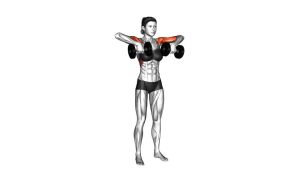
- Brace and lift: Tighten your core and begin the movement by pulling the bar upward close to your torso.
- Lead with the elbows: Raise your elbows out to the sides so they stay above the wrists as the bar travels upward.
- Bring the bar to upper torso level: Lift until the bar reaches around lower chest to upper chest height, or until your elbows are about shoulder level.
- Pause briefly: Squeeze the delts and upper traps at the top without shrugging excessively or forcing extra range.
- Lower with control: Return the bar slowly to the starting position, keeping tension on the shoulders throughout the descent.
Pro Tips & Common Mistakes
- Lead with elbows, not hands: This keeps the focus on the shoulders instead of turning the movement into a loose arm pull.
- Keep the bar close: Letting the bar drift away from the body reduces control and may irritate the shoulders.
- Do not yank the weight: Momentum hides poor form and shifts stress away from the target muscles.
- Avoid pulling too high: For many lifters, shoulder-height elbows are enough. Going higher may increase joint discomfort.
- Use moderate weight: Upright rows usually work better with strict reps than with very heavy loading.
- Watch your wrists: The EZ bar should feel more natural, but you still want a firm, neutral-feeling grip without overbending the wrists.
FAQ
What muscles does the EZ-Bar Standing Upright Row work?
The exercise primarily targets the lateral deltoids and secondarily trains the upper trapezius. The biceps and forearms also assist during the pull.
Is the EZ bar better than a straight bar for upright rows?
For many people, yes. The EZ bar offers a more natural hand position, which can reduce wrist discomfort and make the movement feel smoother than a straight bar.
How high should I pull the bar?
A good general rule is to pull until your elbows reach around shoulder height. You do not need to force the bar all the way to the neck if that causes pinching or discomfort.
Are upright rows bad for shoulders?
Not always, but they are not ideal for everyone. Some lifters tolerate them well, while others feel shoulder irritation. Use controlled form, moderate range, and stop if the movement causes joint pain.
Where should I place this exercise in a workout?
It works well in a shoulder or upper-body session, usually after your main pressing movement and before or after isolation work like lateral raises.
Recommended Equipment
- EZ Curl Bar — the main tool for performing this exercise with a more wrist-friendly grip
- Weight Plates Set — allows progressive overload as your strength and shoulder control improve
- Weightlifting Gloves — can improve grip comfort and reduce hand fatigue during higher-volume sets
- Barbell Collars — helps keep plates secure and balanced during standing bar movements
- Workout Mirror — useful for checking elbow path, posture, and bar alignment during upright rows
Tip: The best results come from strict technique, moderate load, and pain-free range of motion. Shoulder exercises reward control more than ego lifting.