Dumbbell Seated Alternate Shoulder Press: Form, Muscles Worked, Sets, Tips & FAQ
Learn how to do the Dumbbell Seated Alternate Shoulder Press with proper form. Discover muscles worked, setup, step-by-step execution, sets by goal, common mistakes, FAQs, and recommended equipment.
Dumbbell Seated Alternate Shoulder Press
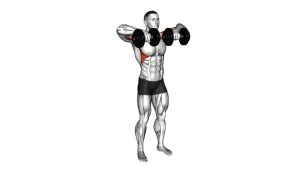
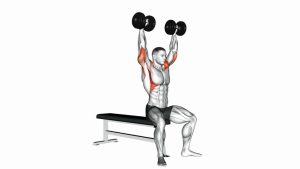
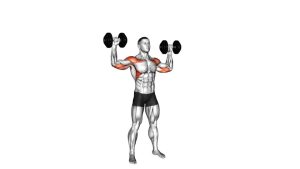
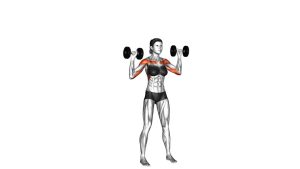
This exercise is excellent for building the front and side delts while also reinforcing pressing rhythm, shoulder stability, and balanced strength between arms. Because one dumbbell remains at shoulder level while the other arm presses, your shoulders stay working longer than in many standard bilateral pressing variations. Keep the reps controlled, avoid using momentum, and do not let the ribcage flare excessively as the weight travels overhead.
Quick Overview
| Body Part | Shoulders |
|---|---|
| Primary Muscle | Anterior deltoid, lateral deltoid |
| Secondary Muscle | Triceps, upper traps, serratus anterior, upper chest, core stabilizers |
| Equipment | Dumbbells, adjustable bench with back support |
| Difficulty | Beginner to Intermediate |
Sets & Reps (By Goal)
- Muscle growth: 3–4 sets × 8–12 reps per arm
- Strength focus: 4–5 sets × 5–8 reps per arm
- Shoulder control / form practice: 2–3 sets × 10–15 reps per arm
- Accessory upper-body day: 2–4 sets × 8–10 reps per arm
Progression rule: Increase the load only when you can keep both dumbbells under control, press without leaning back, and lower each rep to the same shoulder-height starting position.
Setup / Starting Position
- Adjust the bench: Set an upright or near-upright backrest so your torso is well supported.
- Plant your feet: Keep both feet flat on the floor for a stable base.
- Bring the dumbbells up: Hold one dumbbell in each hand at shoulder height with palms facing forward or slightly angled naturally.
- Set the elbows: Elbows should be under or slightly in front of the wrists, not flared excessively wide.
- Brace the torso: Keep the chest tall, core engaged, and head neutral against the bench without overextending the low back.
Tip: A neutral wrist and stacked forearm position usually feels stronger and safer than letting the wrists bend backward.
Execution (Step-by-Step)
- Start evenly: Hold both dumbbells at shoulder level and create full-body tension through the torso.
- Press one side: Drive one dumbbell overhead until the elbow is nearly straight without forcefully locking out.
- Keep the other arm loaded: Maintain the non-working dumbbell at shoulder height instead of letting it drop or rest.
- Lower with control: Bring the pressed dumbbell back down slowly to the original shoulder-height position.
- Alternate sides: Press the opposite arm overhead while keeping posture tall and steady.
- Repeat rhythmically: Continue alternating arms for the target rep count on each side.
Pro Tips & Common Mistakes
- Press one arm while the other stays ready: That loaded hold is part of what makes this variation effective.
- Do not lean back hard: Excessive torso extension shifts tension away from the delts and stresses the low back.
- Control the lowering phase: The descent should be deliberate, not a quick drop.
- Keep wrists stacked: Avoid letting the dumbbells fold the wrists backward.
- Use a consistent bottom position: Each rep should return to the same shoulder-height start point.
- Avoid ego loading: Heavy weights often turn this into a sloppy push press even while seated.
- Breathe with intention: Brace before the press, exhale through the hardest part, then reset.
FAQ
What muscles does the Dumbbell Seated Alternate Shoulder Press work?
It mainly targets the anterior and lateral deltoids. The triceps, upper traps, and other shoulder stabilizers assist during the press.
Why alternate arms instead of pressing both dumbbells together?
Alternating arms increases time under tension, highlights strength imbalances, and adds a subtle torso-stability demand because one side keeps working while the other presses.
Should I use a back-supported bench for this exercise?
Yes, in most cases a bench with back support helps you maintain posture, reduce unnecessary torso movement, and focus tension on the shoulders.
How low should I bring the dumbbells?
Lower each dumbbell to about shoulder height while keeping the shoulders packed and wrists stacked. Do not force range if it causes discomfort.
Is this better for hypertrophy or strength?
It can work for both, but it is especially useful for hypertrophy, shoulder control, and balanced unilateral pressing development.
Recommended Equipment
- Adjustable Dumbbells — space-saving and ideal for progressive overload in seated shoulder pressing
- Adjustable Weight Bench — provides the upright back support needed for stable seated pressing
- Lifting Wrist Wraps — helpful for lifters who need extra wrist support during overhead pressing
- Home Gym Mirror — useful for checking elbow path, lockout position, and torso alignment
- Resistance Bands Set — excellent for warm-ups, shoulder activation, and mobility work before pressing
Tip: Prioritize a bench with solid back support and dumbbells that allow gradual weight jumps. Wrist wraps are optional, but useful if wrist comfort limits pressing quality.