Dips Between Chairs : Proper Form, Sets, Muscles Worked & FAQ
Learn how to perform Dips Between Chairs for chest emphasis with proper form. Discover muscles worked, setup tips, sets and reps by goal, common mistakes, FAQs, and recommended equipment.
Dips Between Chairs
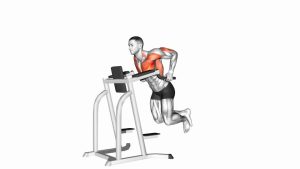
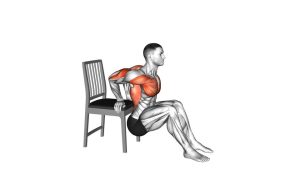
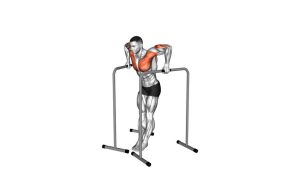
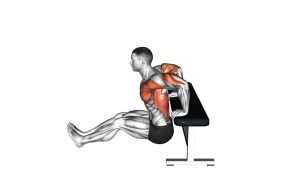
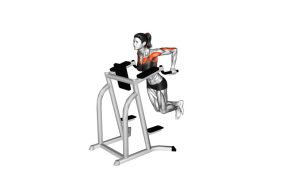
This exercise can be highly effective for building chest strength and muscle with minimal equipment, but it also demands solid shoulder stability and careful setup. The two chairs must be sturdy, evenly spaced, and placed on a non-slip surface. Think of the movement as a controlled chest dip: lean slightly forward, keep the chest open, and press through the palms without bouncing out of the bottom.
Quick Overview
| Body Part | Chest |
|---|---|
| Primary Muscle | Pectoralis major |
| Secondary Muscle | Triceps brachii, anterior deltoids, lower chest stabilizers |
| Equipment | Two sturdy chairs or similar elevated supports |
| Difficulty | Intermediate (advanced for beginners with limited shoulder stability) |
Sets & Reps (By Goal)
- Muscle gain: 3–4 sets × 6–12 reps, resting 60–90 seconds
- Strength focus: 4–5 sets × 4–8 reps, resting 90–150 seconds
- Bodyweight endurance: 2–4 sets × 10–20 reps, resting 45–75 seconds
- Technique practice: 2–3 sets × 5–8 controlled reps with a reduced range of motion
Progression rule: First improve control, depth, and rep quality. Then add reps, slow the eccentric, pause at the bottom, or elevate the feet only if your shoulders remain comfortable and stable.
Setup / Starting Position
- Place the chairs securely: Set two sturdy chairs parallel to each other on a non-slip floor, spaced slightly wider than hip-width so you can lower between them comfortably.
- Grip the top edges firmly: Put one hand on each chair with your palms pressing down and fingers wrapped securely around the edges if possible.
- Lift into support: Straighten your arms and raise your body so it is suspended between the chairs.
- Set your torso angle: Lean slightly forward to bias the chest rather than staying completely upright.
- Brace the body: Keep the chest open, core tight, shoulders down, and legs positioned forward for balance.
Tip: Before starting reps, test both chairs with bodyweight pressure to make sure nothing shifts or slides.
Execution (Step-by-Step)
- Start tall at lockout: Begin with arms straight, shoulders stable, and a slight forward lean.
- Lower under control: Bend your elbows and descend slowly between the chairs while keeping your chest angled forward.
- Let the elbows travel naturally: Allow a mild flare rather than forcing them tightly against the ribs, but do not let them shoot excessively wide.
- Reach a safe bottom position: Lower until your shoulders and chest feel a strong stretch without pain or loss of control.
- Press upward: Drive through your palms and extend the elbows to return to the top position.
- Finish without shrugging: Lock out smoothly while keeping the shoulders down and the torso stable.
Pro Tips & Common Mistakes
- Use stable equipment only: The biggest mistake is using chairs that wobble or slide.
- Lean forward slightly: This helps emphasize the chest more than the triceps.
- Do not dive too deep too soon: Extra depth is not useful if it causes shoulder pain or instability.
- Control the eccentric: A slow lowering phase improves chest tension and reduces reckless shoulder stress.
- Avoid shoulder shrugging: Keep the shoulders depressed and the neck relaxed.
- Do not bounce at the bottom: Rebounding out of the stretch can irritate the shoulders and elbows.
- Keep the chest open: Avoid collapsing forward through the upper back.
- Match both sides: Uneven chair height or uneven pressing can create awkward loading patterns.
FAQ
What muscles do Dips Between Chairs work?
This variation primarily targets the chest, especially when performed with a slight forward lean. The triceps and anterior deltoids also contribute strongly during the press.
Are chair dips for chest or triceps?
They can emphasize either depending on your body position. A more forward-leaning torso generally shifts more work to the chest, while a more upright torso usually increases triceps emphasis.
Is this exercise safe for beginners?
It can be challenging for beginners because it requires shoulder stability, elbow control, and trustworthy equipment. Newer trainees may want to start with easier push-up or bench-dip progressions first.
How deep should I go?
Lower only as far as you can maintain control without pain, shoulder pinching, or joint discomfort. A strong stretch is fine; a sharp or unstable feeling is not.
Can I do this at home without dip bars?
Yes, but only if the chairs are sturdy, balanced, and non-slip. Safety matters more than convenience. If the setup feels questionable, use a different chest exercise.
Recommended Equipment
- Dip Bars Station — a more stable and purpose-built alternative to using chairs for dips
- Parallettes — useful for bodyweight pressing, support holds, and safer dip-style training progressions
- Non-Slip Exercise Mat — helps improve floor grip and adds a safer training surface around your setup
- Resistance Bands Set — useful for warm-ups, chest activation, and shoulder prep before dips
- Wrist Wraps for Training — can provide added wrist support if extended support positions feel uncomfortable
Tip: If your goal is long-term progression, dedicated dip bars are usually a better and safer investment than relying on household chairs.