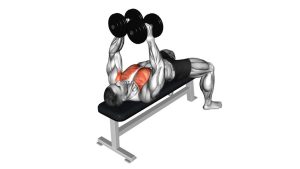
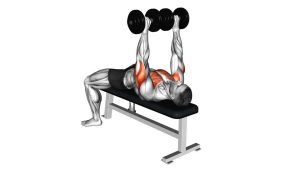
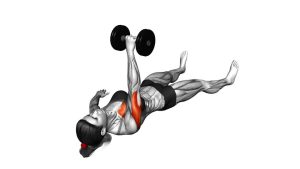
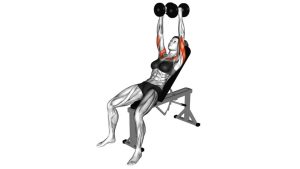
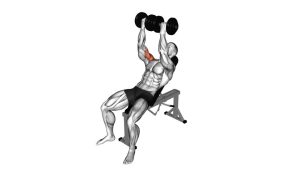
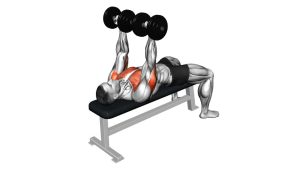
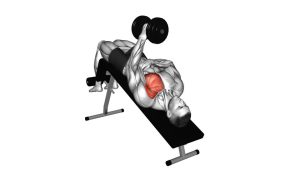
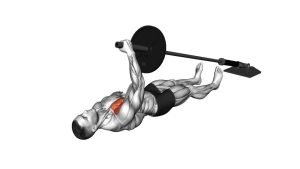
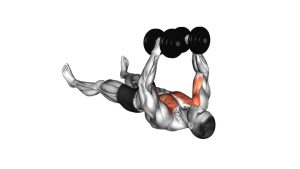
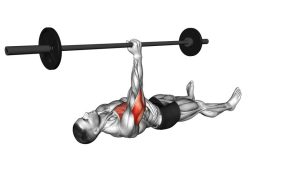
Dumbbell Incline One-Arm Fly: Form, Tips, Sets & FAQ (Upper Chest Focus)
Learn the Dumbbell Incline One-Arm Fly to isolate the upper chest, fix strength imbalances, and improve shoulder control. Step-by-step form, sets by goal, common mistakes, FAQs, and recommended equipment.
Dumbbell Incline One-Arm Fly
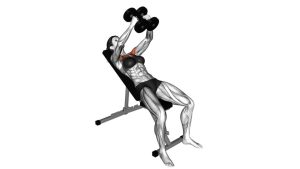
This variation is ideal for lifters who want more upper-chest emphasis, improved side-to-side balance, and better shoulder control during fly patterns. Because you work one side at a time, your core must stabilize your ribcage and keep you square on the bench.
Quick Overview
| Body Part | Chest |
|---|---|
| Primary Muscle | Pectoralis major (upper/clavicular emphasis) |
| Secondary Muscle | Anterior deltoid, biceps (stabilization), core (anti-rotation), rotator cuff |
| Equipment | Incline bench, 1 dumbbell |
| Difficulty | Intermediate (unilateral stability + shoulder control required) |
Sets & Reps (By Goal)
- Hypertrophy (main goal): 3–4 sets × 8–12 reps/side (60–90 sec rest)
- Strength accessory (after pressing): 3–5 sets × 6–10 reps/side (90 sec rest)
- Control + shoulder-friendly pump: 2–4 sets × 12–15 reps/side (45–75 sec rest)
- Rehab-style / technique focus: 2–3 sets × 10–12 reps/side (slow tempo, light load)
Progression rule: Add reps first, then add a small amount of weight. If your elbow bend changes, your shoulder shrugs, or you start twisting on the bench, the load is too heavy.
Setup / Starting Position
- Set the bench: Use a moderate incline (about 30–45°) to bias the upper chest without overloading the shoulders.
- Get stable: Plant feet firmly. Keep glutes and upper back in contact with the bench.
- Start position: Hold one dumbbell above the upper chest/shoulder line with a soft elbow bend.
- Shoulder position: “Pack” the shoulder—think down and back—without excessive arching.
- Core brace: Keep ribs controlled so your torso doesn’t rotate as you lift.
Tip: If you feel your shoulder rolling forward, reduce the range and focus on keeping your upper arm slightly in front of the torso at the bottom.
Execution (Step-by-Step)
- Inhale and lower: Lower the dumbbell in a wide arc until you feel a controlled stretch across the working pec.
- Keep the elbow angle consistent: The arm stays slightly bent—don’t turn it into a press by bending more.
- Stay square: Keep both shoulders level and your ribcage steady; don’t twist or roll toward the dumbbell.
- Pause briefly: Hold the stretched position for 0.5–1 second (no bouncing).
- Exhale and squeeze up: Bring the dumbbell back up along the same arc by pulling the arm across the chest using your pec.
- Finish controlled: Stop short of clanking at the top; maintain tension and reset your brace for the next rep.
Pro Tips & Common Mistakes
- Use a slow eccentric: 2–4 seconds down builds tension and keeps the shoulder safe.
- Don’t over-stretch: Stop when your shoulder stays stable—forcing depth often shifts stress to the joint.
- Soft elbow bend stays fixed: Changing elbow angle turns this into a press and reduces isolation.
- Avoid torso rotation: Twisting is a sign the load is too heavy or the core isn’t braced.
- Wrist stacked: Keep the wrist neutral so the dumbbell stays aligned over the forearm.
- Angle adjustment matters: Too steep can become shoulder-dominant; moderate incline is usually best for upper chest.
FAQ
Where should I feel the Dumbbell Incline One-Arm Fly?
You should feel tension and a stretch in the upper chest on the working side. If you feel mostly front shoulder, reduce the range, lower the incline slightly, and keep the shoulder packed.
Should my elbow bend change during the rep?
No—keep a consistent soft bend. If you bend more on the way up, you’re turning it into a press and losing isolation.
Is one-arm better than two-arm incline fly?
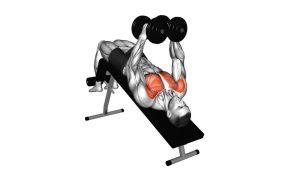
One-arm flies add an anti-rotation core challenge and can expose left/right imbalances. Two-arm flies often allow heavier loads but may be harder to keep perfectly symmetrical.
How heavy should I go?
Choose a load you can control with a slow lower and no twisting. If your shoulder rolls forward or you lose the arc, go lighter. Most lifters get better results with moderate weight + strict form.
What if I feel shoulder pinching at the bottom?
Shorten the range, try a slightly lower bench angle, and keep your upper arm a bit in front of your torso. Also consider using a neutral grip and slowing the descent.
Recommended Equipment
- Adjustable Incline Weight Bench — stable incline setup for consistent upper-chest angles
- Adjustable Dumbbells — quick load changes to dial in perfect fly weight
- Wrist Wraps (Training Support) — helps maintain neutral wrist alignment for cleaner reps
- Resistance Bands Set — great for warm-ups (band flys, pull-aparts) before dumbbell work
- Foam Roller — useful for upper-back mobility to improve bench positioning
Tip: Prioritize a stable bench and controlled dumbbells. Better stability = better chest tension and safer shoulders.