Roll Ball Forearms Standing Against Wall: Form, Benefits, Tips & FAQ
Learn how to perform Roll Ball Forearms Standing Against Wall to release forearm tension, improve wrist comfort, and support grip recovery with proper form, sets, tips, FAQs, and equipment.
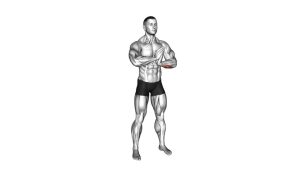
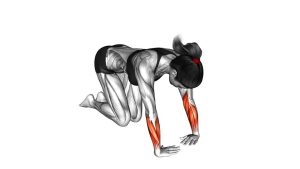
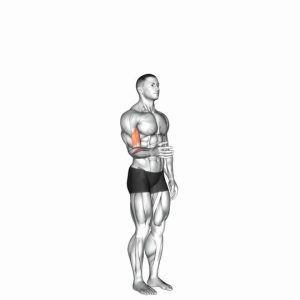
Roll Ball Forearms Standing Against Wall
This exercise is not about forcing pressure or rushing through the movement. The goal is to use a small ball to apply controlled, comfortable pressure into the forearm tissues while keeping your shoulder, wrist, and hand relaxed. When performed correctly, it can help improve local blood flow, reduce muscular tightness, and prepare the wrists and forearms for training.
Because the forearms are involved in almost every pulling, curling, pressing, carrying, and gripping movement, they can become overworked quickly. This wall-based variation gives you better control than rolling on the floor because you can easily adjust intensity by stepping closer to or farther from the wall.
Quick Overview
| Body Part | Forearms |
|---|---|
| Primary Muscle | Forearm extensors and forearm flexors |
| Secondary Muscle | Brachioradialis, wrist stabilizers, hand gripping muscles |
| Equipment | Massage ball, lacrosse ball, tennis ball, or small recovery ball |
| Difficulty | Beginner |
Sets & Reps (By Goal)
- General forearm recovery: 1–2 rounds per arm, 30–60 seconds each side.
- Pre-workout warm-up: 1 round per arm, 20–40 seconds with light pressure.
- Grip-heavy training recovery: 2–3 rounds per arm, 45–90 seconds each side.
- Desk or typing relief: 1–2 rounds per arm, slow rolling for 30–60 seconds.
- Mobility-focused work: 2 rounds per arm with pauses on tight spots for 5–10 seconds.
Progression rule: Do not progress by adding pain. Progress by improving control, exploring more tissue areas, and breathing calmly while maintaining comfortable pressure.
Setup / Starting Position
- Stand facing a wall: Position yourself close enough that your forearm can press the ball against the wall comfortably.
- Place the ball on the target area: Start on the meaty part of the forearm, not directly on the wrist joint or elbow bone.
- Set your arm angle: Keep the elbow slightly bent and the shoulder relaxed. The wrist should stay neutral.
- Create gentle pressure: Lean your body slightly toward the wall until you feel mild to moderate pressure.
- Relax your hand: Avoid gripping hard, clenching the fist, or stiffening the fingers.
- Brace lightly: Keep your torso tall, ribs controlled, and feet steady so the movement stays smooth.
Tip: Start with a softer ball if your forearms are sensitive. A tennis ball is usually easier than a lacrosse ball.
Execution (Step-by-Step)
- Begin with light contact: Press the forearm gently into the ball and take one slow breath before moving.
- Roll slowly: Move the forearm up, down, or slightly side-to-side against the ball using small controlled motions.
- Search for tight spots: When you find a tender area, pause briefly and let the pressure settle without forcing it.
- Use small circles: Roll in tiny circles over dense or tight tissue to improve control and coverage.
- Adjust the angle: Rotate the forearm slightly to target the top, side, or underside of the forearm.
- Keep breathing: Breathe slowly and avoid tensing the shoulder, jaw, or hand.
- Move gradually: Work from the wrist-side of the forearm toward the elbow, avoiding direct pressure on joints or bones.
- Finish gently: Reduce pressure, remove the arm from the wall, and lightly open and close the hand a few times.
Pro Tips & Common Mistakes
- Use slow pressure: Rolling too fast reduces the quality of the release and makes it harder to find tight areas.
- Avoid bony landmarks: Do not roll directly on the wrist bones, elbow joint, or sharp bony points.
- Keep the shoulder relaxed: Shrugging or bracing through the neck makes the drill less effective.
- Do not chase pain: More pressure is not always better. Aim for a tolerable release sensation.
- Change forearm angle: Slight rotation helps you reach both wrist flexors and extensors.
- Pair it with movement: After rolling, gently flex, extend, open, and close the hand to reinforce better motion.
- Use before grip work: Light rolling can prepare the forearms before curls, rows, deadlifts, carries, or pull-ups.
- Use after training: Slightly longer, slower rolling works well after heavy gripping or wrist-intensive workouts.
FAQ
What muscles does Roll Ball Forearms Standing Against Wall target?
It mainly targets the forearm flexors and extensors, which control wrist bending, wrist extension, gripping, and hand positioning. It can also affect the brachioradialis and smaller wrist stabilizers depending on where the ball is placed.
Should this exercise hurt?
No. It may feel tender or mildly uncomfortable on tight areas, but it should not feel sharp, burning, electric, or unbearable. Keep the pressure around a comfortable moderate level and reduce force if symptoms increase.
Is a tennis ball or lacrosse ball better?
A tennis ball is softer and better for beginners or sensitive forearms. A lacrosse ball is firmer and better for people who need deeper pressure, but it should still be used carefully.
Can I do this before lifting weights?
Yes. Use light pressure for 20–40 seconds per side before training. The goal before lifting is to prepare the tissues, not to aggressively loosen the forearms to the point where your grip feels weak.
Can this help with wrist discomfort?
It may help if the discomfort is related to forearm tightness or overuse. However, if you have sharp wrist pain, swelling, numbness, tingling, or symptoms that continue, it is best to seek professional guidance.
Recommended Equipment
- Lacrosse Massage Ball — firm option for deeper forearm tissue release.
- Tennis Balls — softer beginner-friendly option for lighter pressure.
- Trigger Point Massage Ball — useful for controlled pressure on tight forearm spots.
- Forearm Massage Roller — helpful for covering larger forearm areas after training.
- Wrist and Forearm Stretcher — supports gentle mobility work after soft-tissue release.
Tip: Choose the tool based on sensitivity. Softer tools are better for daily recovery, while firmer tools should be used with more control and less total pressure.