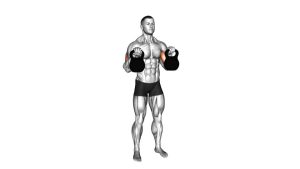
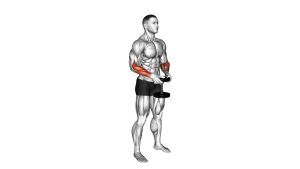
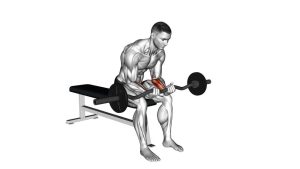
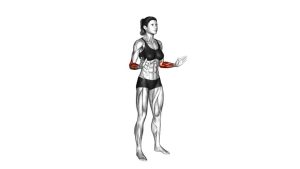
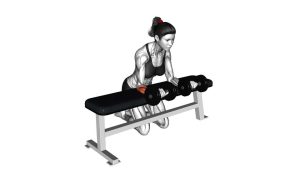
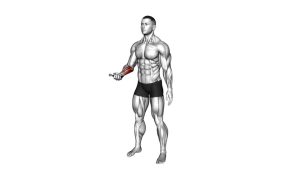
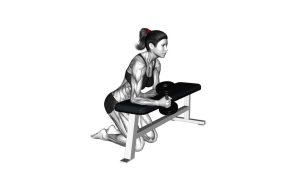
Forearm Supination: Proper Form, Sets, Tips & FAQ
Learn the Forearm Supination exercise to strengthen the supinator, biceps, and forearm rotators. Includes setup, execution, sets by goal, mistakes, FAQs, and equipment.
Forearm Supination
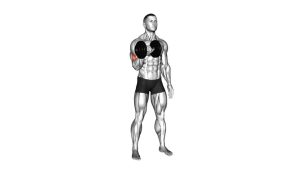
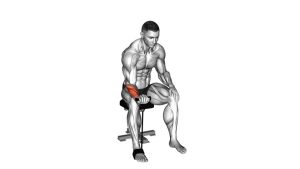
Forearm Supination looks small, but it requires precision. Instead of swinging the weight, the movement should come from the forearm rotating at the radioulnar joint. Keep the upper arm quiet, the wrist straight, and the tempo slow. A light dumbbell is often enough because the leverage becomes challenging near the fully palm-up position.
Quick Overview
| Body Part | Forearms |
|---|---|
| Primary Muscle | Supinator |
| Secondary Muscle | Biceps brachii, brachioradialis, wrist stabilizers, grip muscles |
| Equipment | Light dumbbell, hammer-style dumbbell, resistance bar, or light handle |
| Difficulty | Beginner to Intermediate |
Sets & Reps (By Goal)
- Forearm control: 2–3 sets × 10–15 reps per side with slow rotation.
- Strength building: 3–4 sets × 8–12 reps per side using a light-to-moderate load.
- Rehab-style conditioning: 2–3 sets × 8–10 reps per side with very light resistance and perfect control.
- Grip and wrist stability: 3 sets × 12–15 reps per side with a 1–2 second pause at full supination.
- Warm-up before curls or pulling: 1–2 sets × 10–12 smooth reps per side.
Progression rule: Increase control first, then range, then reps, and only then add weight. This exercise works best with clean rotation, not heavy loading.
Setup / Starting Position
- Sit or stand tall: Keep your spine neutral, shoulders relaxed, and chest open.
- Support the working arm: Rest your forearm on a bench, thigh, or stable surface if needed.
- Bend the elbow around 90 degrees: Keep the elbow close to your side and fixed in place.
- Hold the dumbbell vertically: Start with the thumb facing upward in a neutral grip.
- Keep the wrist straight: Avoid bending the wrist forward, backward, or sideways.
- Brace lightly: Grip the dumbbell firmly enough to control it, but do not over-squeeze.
Tip: If the dumbbell feels too heavy at the end range, grip it closer to the center or use a lighter object.
Execution (Step-by-Step)
- Start in neutral: Hold the weight with your thumb pointing upward and palm facing inward.
- Lock the elbow position: Keep the upper arm still so the motion comes from the forearm.
- Rotate the palm upward: Slowly turn the forearm until the palm faces the ceiling.
- Pause at the top: Hold for 1–2 seconds while keeping the wrist straight.
- Control the return: Rotate back to the neutral starting position without dropping the weight.
- Repeat smoothly: Maintain the same slow tempo on every rep.
Pro Tips & Common Mistakes
- Use a light weight: This is a rotation drill, not a heavy curl variation.
- Move slowly: Fast twisting reduces muscle tension and increases joint stress.
- Keep the elbow still: If the elbow moves, the shoulder may be helping too much.
- Do not bend the wrist: Wrist flexion or extension shifts tension away from clean supination.
- Avoid swinging: Momentum removes tension from the supinator and forearm rotators.
- Pause at full supination: A short hold improves control and end-range strength.
- Train both sides: Supination strength imbalances can affect pulling, curls, and grip performance.
- Stop before pain: Mild muscle fatigue is fine; sharp wrist or elbow pain is not.
FAQ
What muscles does Forearm Supination work?
It primarily targets the supinator. The biceps brachii also assists, especially when the elbow is bent. The wrist stabilizers and grip muscles help keep the dumbbell controlled.
Should I use a heavy dumbbell?
No. Use a light dumbbell or small handle. The goal is controlled rotation, not maximum loading. Too much weight often causes wrist bending, elbow movement, or shoulder compensation.
Is Forearm Supination good for wrist strength?
Yes. It helps improve wrist and forearm control, especially when paired with pronation, wrist curls, reverse wrist curls, and grip training.
Why do I feel it in my biceps?
The biceps assists with supination, especially when your elbow is bent. A light biceps sensation is normal, but the main focus should remain on controlled forearm rotation.
Can this help with elbow or forearm rehab?
It can be useful in rehab-style programs when performed lightly and pain-free. However, if you have an injury, follow guidance from a qualified healthcare professional.
Should I also train pronation?
Yes. Training both supination and pronation creates better balance around the forearm, wrist, and elbow.
Recommended Equipment
- Adjustable Dumbbell Set — useful for gradually progressing forearm supination with small weight changes.
- Light Dumbbells Set — ideal for beginners, rehab-style work, and high-control forearm training.
- Forearm Wrist Roller — great for building general forearm endurance, grip strength, and wrist control.
- Resistance Flex Bar — useful for wrist rotation drills, tendon conditioning, and forearm rehab-style training.
- Hand Grip Strengthener — supports grip development and complements forearm rotation exercises.
Tip: For this exercise, lighter equipment is usually better. Choose a load that allows smooth rotation, a straight wrist, and zero elbow discomfort.