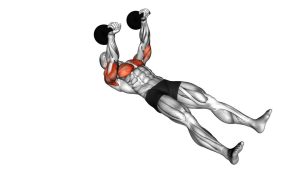
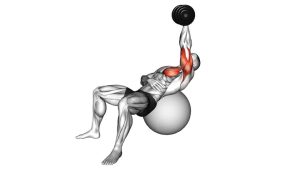
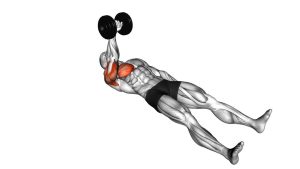
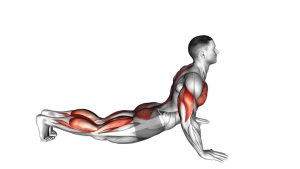
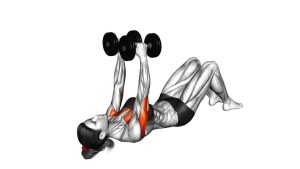
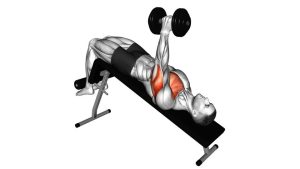
Kettlebell One-Arm Floor Press: Form, Benefits, Sets & Mistakes (Chest Builder)
Learn how to do the kettlebell one-arm floor press for chest strength and shoulder-friendly pressing. Step-by-step form, sets & reps by goal, common mistakes, FAQs, and recommended gear.
Kettlebell One-Arm Floor Press
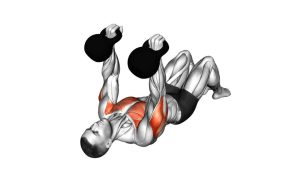
This lift is all about stacked joints and quiet control: wrist over elbow, kettlebell over shoulder, ribs down, and no twisting. Press smoothly, pause briefly at the top, and lower with intention until your triceps gently meets the floor.
Quick Overview
| Body Part | Chest |
|---|---|
| Primary Muscle | Pectoralis major (chest) |
| Secondary Muscle | Triceps, anterior deltoid, rotator cuff (stability), core (anti-rotation) |
| Equipment | Kettlebell, floor space (optional: yoga mat) |
| Difficulty | Beginner–Intermediate (unilateral stability raises the challenge) |
Sets & Reps (By Goal)
- Strength (main lift): 4–6 sets × 3–6 reps/side (2–3 min rest)
- Hypertrophy (muscle growth): 3–5 sets × 8–12 reps/side (60–90 sec rest)
- Endurance / conditioning: 2–4 sets × 12–20 reps/side (45–75 sec rest)
- Technique / shoulder-friendly pressing: 2–3 sets × 6–10 reps/side (slow lowering, perfect form)
Progression rule: Add reps first, then load. When you can hit the top of your rep range on both sides with stable, non-wobbly presses, move up to a heavier kettlebell.
Setup / Starting Position
- Lie on your back: Knees bent, feet flat, glutes lightly engaged for stability.
- Set your shoulder: Pull the shoulder blade gently “down and back” into the floor (packed, not shrugged).
- Rack position: Hold the kettlebell in one hand with a neutral wrist (knuckles toward the ceiling). Elbow bent ~90° with the upper arm resting on the floor.
- Elbow angle: Keep the elbow slightly tucked (about 30–45° from your torso) to stay chest-focused and shoulder-friendly.
- Brace: Ribs down, abs tight—don’t let your torso rotate toward the pressing side.
Tip: A light yoga mat reduces elbow pressure and helps you keep the bottom position consistent.
Execution (Step-by-Step)
- Inhale and brace: Keep your ribs down and your shoulder packed.
- Press vertically: Drive the kettlebell up until it’s stacked over your shoulder. Think “up,” not “across.”
- Stay square: Prevent your torso from twisting—your hips and shoulders stay level.
- Brief pause: Hold 1 second at the top with control (no shrugging).
- Lower slowly: Bring the elbow down until your triceps lightly touches the floor. Reset tension and repeat.
Pro Tips & Common Mistakes
- Stack wrist → elbow → shoulder: A neutral wrist makes the press stronger and safer.
- Control the bottom: Don’t bounce your elbow off the floor—touch softly and re-press.
- Don’t flare hard: A slightly tucked elbow keeps tension on chest/triceps and reduces shoulder irritation.
- Don’t twist: If your ribs pop up or your torso rotates, brace harder or reduce the load.
- Use tempo for growth: Try 2–3 seconds down, 1 second pause, smooth press up.
- Match both sides: Start with your weaker side and let it set the reps for the stronger side.
FAQ
What should I feel during the kettlebell one-arm floor press?
Mostly chest and triceps, with noticeable core bracing to resist rotation. You may also feel the front shoulder working as a stabilizer—but it shouldn’t feel pinchy or painful.
Is the floor press better for shoulders than bench press?
Often, yes. The floor limits the deepest range of motion, which can reduce bottom-position shoulder stress. It’s still important to keep the elbow slightly tucked and the shoulder packed.
Can I do this if I only have light kettlebells?
Yes—use slower tempo, longer pauses, higher reps (12–20), or add a 1–2 second pause on the floor before each press. Quality reps make lighter loads effective.
How do I make it more chest-focused?
Use a slightly tucked elbow, keep your shoulder blade packed, and think about “bringing the biceps toward the midline” as you press. Control the lowering phase and avoid turning it into a triceps-only lockout drill.
Recommended Equipment (Optional)
- Cast Iron Kettlebell — durable, simple option for progressive loading
- Competition Kettlebell — consistent size across weights for smoother technique progression
- Thick Yoga / Exercise Mat — cushions elbow contact and improves comfort on the floor
- Adjustable Kettlebell — space-saving way to progress without buying multiple bells
- Massage Ball / Lacrosse Ball — useful for pec/shoulder tissue work to keep pressing comfortable
Tip: Choose a kettlebell that lets you keep a neutral wrist and a stable torso. If the bell wobbles overhead or you twist to finish reps, go lighter.