Barbell Standing Twist: Proper Form, Core Benefits, Sets, Tips & FAQ
Learn how to perform the Barbell Standing Twist with proper form to train your obliques, rotational core control, and waist stability. Includes setup, execution, mistakes, FAQs, and equipment.
Barbell Standing Twist
This exercise is useful for building rotational awareness, oblique endurance, and better control through the waist. Because the barbell sits across the upper back, even a light bar can create extra rotational demand. For that reason, the Barbell Standing Twist should be performed with strict control, moderate range of motion, and no bouncing at the end of each twist.
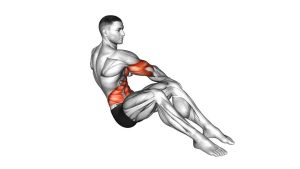
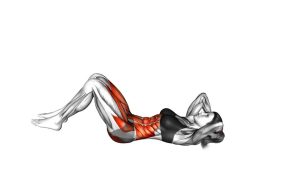
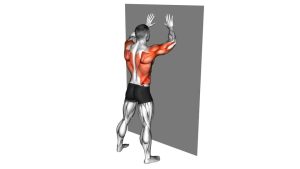
In the video, the athlete stands tall with the barbell resting across the traps, then rotates the torso from one side to the other in a steady rhythm. The bar stays level, the spine remains upright, and the motion comes from controlled trunk rotation rather than pulling with the arms. This is the correct intention of the exercise: move the torso as one solid unit while keeping the core active from start to finish.
Quick Overview
| Body Part | Obliques |
|---|---|
| Primary Muscle | Obliques |
| Secondary Muscle | Rectus abdominis, transverse abdominis, spinal erectors, deep core stabilizers |
| Equipment | Barbell |
| Difficulty | Intermediate |
Sets & Reps (By Goal)
- Core control: 2–3 sets × 10–12 reps per side with a slow, steady tempo.
- Oblique endurance: 3–4 sets × 12–20 reps per side using a light barbell.
- Warm-up rotation: 1–2 sets × 8–10 reps per side before core, legs, or athletic training.
- Hypertrophy-style oblique work: 3 sets × 10–15 reps per side with strict control and moderate resistance.
Progression rule: Add reps and improve control before adding weight. This exercise works best with precision, not heavy loading. If your hips swing, your lower back feels compressed, or the bar starts bouncing, the load is too heavy or the tempo is too fast.
Setup / Starting Position
- Choose a light barbell: Start with an empty bar or a very light fixed bar. This movement does not need heavy weight to be effective.
- Place the bar across your upper back: Rest the bar on the traps, similar to a high-bar squat position. Do not place it directly on the neck.
- Grip the bar evenly: Hold the bar with both hands slightly wider than shoulder-width. Your grip should stabilize the bar, not pull it around.
- Set your feet: Stand with your feet about shoulder-width apart. Keep your knees slightly soft instead of locked.
- Brace your core: Pull the ribs down slightly, keep the chest tall, and tighten the waist as if preparing to resist movement.
- Start in neutral: Face forward with your spine upright, shoulders level, and the bar parallel to the floor.
A good starting position should feel tall, stable, and balanced. If you feel pressure in your lower back before the first rep, reduce the load and reset your posture.
Execution (Step-by-Step)
- Begin from center: Stand tall with the barbell resting securely across your upper back and your core lightly braced.
- Rotate to one side: Turn your torso slowly to the right or left. Allow the shoulders, chest, and barbell to move together as one unit.
- Keep the hips controlled: Your hips may move slightly, but avoid letting them swing aggressively. The waist should control the rotation.
- Stop at a comfortable range: Rotate only as far as you can without twisting through pain, arching the back, or losing your upright posture.
- Pause briefly: Hold the end position for a moment while keeping the bar level and the core engaged.
- Return to center: Slowly rotate back to the starting position. Do not let the bar snap back.
- Rotate to the opposite side: Repeat the same controlled motion to the other side, keeping both sides symmetrical.
- Continue alternating: Move side to side with a smooth rhythm, steady breathing, and no bouncing at the end range.
Pro Tips & Common Mistakes
- Use light weight: The Barbell Standing Twist is not a max-load exercise. Heavy weight increases spinal stress and usually reduces core control.
- Move from the torso: Do not yank the bar with your arms. The arms only hold the bar in place while the core creates the rotation.
- Keep your chest tall: Avoid collapsing forward or leaning backward. A stacked torso protects the lower back.
- Control both directions: The return to center matters just as much as the twist. Do not let momentum carry you.
- Do not over-rotate: More range is not always better. Stop before your lower back feels strained.
- Keep knees soft: Locked knees can make the rotation feel more rigid and may increase stress through the hips and spine.
- Avoid bouncing: Bouncing at the end range is one of the most common mistakes and can irritate the lower back.
- Brace before each rep: Light abdominal tension helps the spine stay stable while the obliques control the twist.
- Match both sides: Rotate with the same tempo and range to the left and right. Do not rush your weaker side.
FAQ
What muscles does the Barbell Standing Twist work?
The main muscles worked are the obliques, especially during controlled rotation. The exercise also involves the transverse abdominis, rectus abdominis, spinal erectors, and deep stabilizing muscles that help keep the torso upright and controlled.
Is the Barbell Standing Twist good for building a smaller waist?
It can strengthen and condition the waist muscles, but it does not directly burn fat from the waist area. A smaller waist depends mostly on overall body fat levels, nutrition, training consistency, and posture. Use this exercise for core control and oblique training, not spot reduction.
Should I use heavy weight for this exercise?
No. This exercise should usually be done with a light barbell or empty bar. Heavy loading during spinal rotation can increase stress on the lower back. Focus on clean movement, slow tempo, and core engagement.
Why do I feel this in my lower back?
You may be rotating too far, using too much weight, leaning instead of twisting, or moving too fast. Reduce the range of motion, brace your core, and keep the bar level. If discomfort continues, choose a safer anti-rotation exercise such as a Pallof press.
Can beginners do the Barbell Standing Twist?
Beginners can do it only with very light resistance and strict control. However, many beginners may be better starting with bodyweight torso rotations, cable wood chops, Pallof presses, or seated controlled twists before adding a barbell.
How fast should I perform each twist?
Use a slow and controlled tempo. A good rhythm is 1–2 seconds rotating to one side, a short pause, then 1–2 seconds returning through center. Avoid fast, swinging reps.
Recommended Equipment
- Standard Barbell — useful for performing the movement with light rotational resistance.
- Olympic Barbell — a durable option for gym-based barbell core and strength exercises.
- Barbell Pad — adds comfort when resting the bar across the upper back and traps.
- Weightlifting Shoes — provides a stable base for standing barbell movements.
- Exercise Mat — helps create a stable training area for warm-ups, core work, and mobility drills.
Choose equipment that allows you to move with control. For this exercise, comfort, balance, and light resistance are more important than heavy loading.