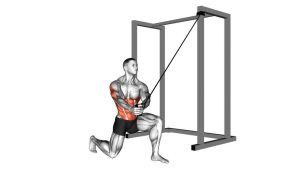
Cable Standing Lift: Proper Form, Core Benefits, Sets, Tips & FAQ
Learn how to perform the Cable Standing Lift with proper form. Build rotational core strength, oblique control, waist stability, and full-body coordination with this step-by-step guide.
Cable Standing Lift
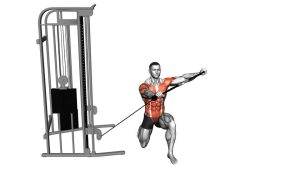
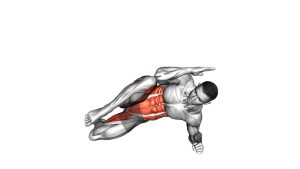
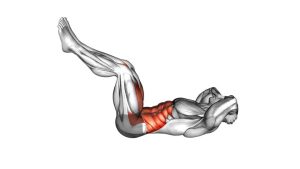
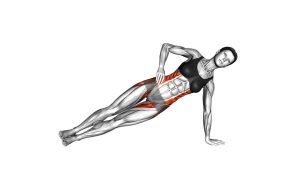
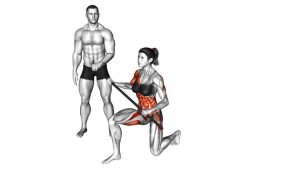
The Cable Standing Lift is often described as the opposite pattern of a cable woodchopper. Instead of pulling from high to low, you lift from low to high. This makes it useful for building rotational strength, improving waist control, and developing the kind of core stability needed for sports, lifting, throwing, punching, golf, tennis, and daily twisting movements. Because the cable creates constant tension, your core must stay active through the entire repetition.
This exercise should feel like a coordinated core movement, not a shoulder raise or arm pull. Your hands guide the handle, but your midsection controls the rotation. The hips and feet stay grounded, the ribs stay controlled, and the movement finishes with the chest turned slightly away from the cable stack. When performed correctly, the Cable Standing Lift strengthens the obliques without requiring spinal crunching or heavy compression.
Quick Overview
| Body Part | Obliques |
|---|---|
| Primary Muscle | Obliques |
| Secondary Muscle | Rectus abdominis, transverse abdominis, deep spinal stabilizers, shoulders, glutes, hips |
| Equipment | Cable machine with single handle or rope attachment |
| Difficulty | Intermediate |
Sets & Reps (By Goal)
- Core control and technique: 2–3 sets of 10–12 reps per side using a light to moderate load.
- Oblique strength: 3–4 sets of 8–10 reps per side with a controlled tempo and full body tension.
- Functional athletic power: 3–5 sets of 6–8 reps per side using a slightly faster but still controlled lift.
- Waist and core endurance: 2–4 sets of 12–15 reps per side with smooth, continuous movement.
- Warm-up activation: 1–2 sets of 8–10 reps per side before rotational sports, upper-body training, or full-body sessions.
Progression rule: Increase the weight only when you can keep your feet planted, ribs controlled, shoulders relaxed, and cable path clean. If the movement becomes jerky, the load is too heavy.
Setup / Starting Position
- Set the cable low: Adjust the pulley to the lowest or near-lowest position on the cable machine. Attach a single D-handle or rope attachment.
- Stand side-on to the machine: Position your body so the cable starts near the outside of one hip. Step far enough away from the stack so the cable is already under light tension.
- Choose your stance: Stand with feet about shoulder-width apart. A slight staggered stance can help balance, but both feet should stay firmly grounded.
- Grip with both hands: Hold the handle with both hands near the hip closest to the machine. Your arms should be extended but not locked.
- Brace your core: Gently tighten your abs as if preparing to resist a push. Keep your ribs down and your spine tall.
- Set your shoulders: Keep the shoulders down and away from your ears. Do not shrug before starting the lift.
- Look forward: Keep your head aligned with your torso. Your eyes may follow the hands slightly, but avoid twisting the neck aggressively.
The starting position should feel stable and loaded. If the cable is slack, step farther away. If you feel pulled off balance before starting, reduce the weight.
Execution (Step-by-Step)
- Begin with tension: Start with the handle near your low hip. Keep your knees softly bent, feet planted, and core braced.
- Initiate from the core: Begin rotating your torso away from the cable stack. The hands should move because the trunk is turning, not because the arms are pulling alone.
- Lift diagonally: Guide the handle upward and across your body in a smooth low-to-high path, finishing around chest to shoulder height on the opposite side.
- Keep the arms connected: Your elbows can stay slightly bent, but avoid turning the movement into a biceps curl, front raise, or shoulder press.
- Control your hips: Allow a small natural hip turn if needed, but do not spin your whole body or pivot aggressively unless you are doing a power variation.
- Pause at the top: Briefly hold the end position. Your torso should be rotated, your core tight, and your shoulders relaxed.
- Return slowly: Reverse the same diagonal path back down toward the starting hip. Resist the cable instead of letting it pull you back.
- Repeat with clean rhythm: Complete all reps on one side, then switch sides and perform the same number of reps.
Pro Tips & Common Mistakes
Pro Tips
- Think “core first, hands second”: Your torso should drive the lift while your hands simply guide the handle.
- Use a diagonal path: Start near the low hip and finish high across the body. This diagonal pattern is what makes the exercise effective.
- Keep your ribs stacked: Avoid flaring your ribs or arching your lower back at the top.
- Exhale as you lift: Breathing out during the diagonal lift helps you brace your abs and control rotation.
- Train both sides evenly: Always perform the same reps and sets on the left and right side to avoid rotational imbalance.
- Start lighter than expected: Cable rotational exercises become messy quickly when the weight is too heavy.
Common Mistakes
- Pulling only with the arms: This reduces core involvement and turns the exercise into a shoulder movement.
- Using too much momentum: Swinging the cable may look powerful, but it removes tension from the obliques and increases injury risk.
- Over-rotating the lower back: Rotate with control through the torso and hips instead of twisting aggressively through the lumbar spine.
- Letting the cable snap back: The return phase is just as important as the lift. Control it slowly.
- Shrugging the shoulders: Keep the traps relaxed so the core remains the main working area.
- Standing too close to the machine: If there is no cable tension at the start, step farther away from the stack.
FAQ
What muscles does the Cable Standing Lift work?
The Cable Standing Lift primarily targets the obliques. It also trains the rectus abdominis, transverse abdominis, deep spinal stabilizers, shoulders, glutes, and hips. Because the movement is performed standing, your entire body must stabilize against the cable resistance.
Is the Cable Standing Lift the same as a woodchopper?
It is similar, but the direction is different. A traditional cable woodchopper usually moves from high to low. The Cable Standing Lift moves from low to high, which changes the strength angle and emphasizes a lifting diagonal pattern across the body.
Should I rotate my hips during the exercise?
A small amount of hip rotation is normal, especially if you are using a more athletic style. However, for strict core control, keep the hips mostly stable and let the torso rotate with control. Do not spin or lose balance.
How heavy should I go on the Cable Standing Lift?
Use a load that allows smooth movement without jerking. If your arms dominate, your shoulders shrug, or your body gets pulled toward the machine, the weight is too heavy. Start light and increase gradually.
Is this exercise good for waist training?
Yes, it can help strengthen and define the waist muscles, especially the obliques. However, visible waist definition also depends on overall body fat level, nutrition, and total training consistency.
Can beginners do the Cable Standing Lift?
Beginners can perform it if they use very light resistance and focus on control. However, because it requires coordination, many beginners should first learn basic core bracing, Pallof presses, and slow cable rotations before progressing.
Should I do this exercise fast or slow?
For strength and muscle control, use a slow to moderate tempo. For athletic power, the lifting phase can be slightly faster, but the return should still be controlled. Never let the cable pull you back aggressively.
Recommended Equipment
- Cable Machine D-Handle Attachment — useful for a secure two-hand grip during standing cable lifts.
- Tricep Rope Cable Attachment — allows a comfortable neutral grip and works well for diagonal core movements.
- Adjustable Cable Machine — ideal for performing standing lifts, woodchoppers, rows, presses, and other cable exercises.
- Cable Attachment Set — gives you multiple handles and attachment options for core, arms, back, and leg exercises.
- Non-Slip Training Shoes — helps keep your stance stable when resisting cable tension during rotational work.
Choose equipment that allows smooth cable movement, a secure grip, and stable footing. Better control always produces better core training than simply using more resistance.