Bent-Knee Lying Twist on Stability Ball: Form, Benefits, Sets & Tips
Learn how to do the Bent-Knee Lying Twist on a Stability Ball with proper form, core control, sets, reps, common mistakes, FAQs, and recommended equipment.
Bent-Knee Lying Twist on Stability Ball
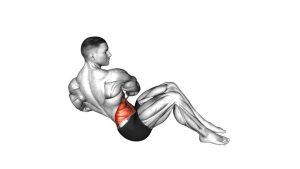
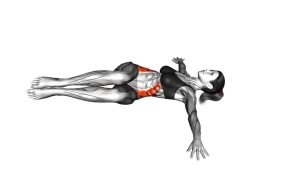
This exercise is excellent for improving rotational control, oblique endurance, hip stability, and trunk coordination. Because the stability ball moves slightly under the upper back, your body must work harder to stay balanced. That makes the exercise more demanding than a standard floor lying twist, even though the movement looks simple.
The best reps are slow and clean. Keep your knees together, feet planted, hips elevated, and shoulders supported on the ball. As the knees rotate to one side, your obliques should control the descent. As you return to center, avoid using momentum. Think of the movement as a smooth side-to-side core drill, not a fast twisting motion.
Quick Overview
| Body Part | Core |
|---|---|
| Primary Muscle | Obliques |
| Secondary Muscle | Rectus abdominis, transverse abdominis, glutes, hip stabilizers, spinal stabilizers |
| Equipment | Stability ball / exercise ball |
| Difficulty | Beginner to Intermediate |
Sets & Reps (By Goal)
- Beginner core control: 2–3 sets × 6–8 reps per side with a slow tempo.
- Oblique endurance: 3–4 sets × 10–14 reps per side with controlled breathing.
- Core stability warm-up: 2 sets × 8–10 reps per side before full-body or lower-body training.
- Hypertrophy-style core training: 3–4 sets × 12–15 reps per side with a 1-second pause at each side.
- Balance and control focus: 2–3 sets × 5–8 slow reps per side using a 3-second lowering phase.
Progression rule: First improve control and range. Then increase reps. Only progress by adding load or slowing the tempo when you can keep the hips lifted and the knees moving together without wobbling.
Setup / Starting Position
- Choose the right ball size: Use a stability ball that allows your knees to stay bent around 90 degrees when your feet are planted.
- Sit on the ball first: Carefully sit on the stability ball, then walk your feet forward until your upper back and shoulders are supported.
- Lift into a bridge: Raise your hips so your body forms a strong line from shoulders to knees.
- Plant your feet: Keep both feet flat, about hip-width apart. Your feet should not slide during the movement.
- Set the knees: Keep your knees bent and together enough that they rotate as one unit.
- Brace your core: Lightly tighten your abs as if preparing for a small push against your stomach.
- Relax the neck: Keep the head supported naturally by the ball. Avoid pulling the chin too hard into the chest.
Your starting position should feel stable before the first twist. If the ball rolls too much, widen your feet slightly and reduce the range.
Execution (Step-by-Step)
- Start in a strong bridge: Keep your shoulders on the ball, hips lifted, feet planted, and knees bent.
- Brace before moving: Inhale gently, then tighten your core so your trunk feels controlled.
- Rotate the knees to one side: Slowly lower both knees toward one side while keeping them together.
- Control the ball: Let the stability ball shift slightly, but do not allow your shoulders to slide off or your upper body to collapse.
- Stop before losing form: Pause when you feel your obliques working or before your lower back begins to twist aggressively.
- Return to center: Use your abs to bring the knees back to the middle without swinging.
- Stabilize briefly: Reset your hips and ribs before moving to the opposite side.
- Repeat on the other side: Rotate with the same slow tempo and range of motion.
Pro Tips & Common Mistakes
Pro Tips
- Move slowly: A slow twist forces the obliques to control the motion instead of relying on momentum.
- Keep the knees connected: Moving both knees together helps maintain better hip and core alignment.
- Use your breath: Exhale as you return to center to increase abdominal engagement.
- Keep the hips high: The bridge position adds glute activation and makes the core work harder.
- Control the end range: Stop when you still feel strong and stable, not when your back starts twisting too far.
- Start with a small range: The ball makes this exercise unstable, so clean reps matter more than deep rotation.
Common Mistakes
- Dropping the hips: This reduces core tension and turns the movement into a loose lower-body swing.
- Rotating too fast: Fast reps usually mean the obliques are not controlling the exercise properly.
- Letting the feet slide: Sliding feet make balance harder and reduce control.
- Over-twisting the lower back: The goal is controlled rotation, not forcing the spine into an extreme position.
- Losing shoulder support: If the shoulders roll off the ball, reset before continuing.
- Holding the breath: Breath-holding can create unnecessary tension and make the movement feel unstable.
FAQ
What muscles does the Bent-Knee Lying Twist on Stability Ball work?
It mainly works the obliques, which control trunk rotation and side-to-side core stability. It also trains the rectus abdominis, transverse abdominis, glutes, hip stabilizers, and spinal stabilizers.
Is this exercise good for beginners?
Yes, but beginners should use a short range of motion and slow tempo. The stability ball makes the exercise less stable, so it is important to master balance before increasing reps or rotation depth.
Should my hips stay lifted during the whole movement?
Yes. Keeping the hips lifted maintains the bridge position and increases core and glute engagement. If your hips drop, reduce the range or take a short break before continuing.
How far should I rotate my knees?
Rotate only as far as you can control. You should feel your obliques working, but your lower back should not feel strained. Stop before your hips collapse, your feet slide, or your shoulders lose contact with the ball.
Can I make this exercise harder?
Yes. You can slow the lowering phase, pause at the side, increase reps, narrow your foot stance slightly, or hold a light medicine ball. However, only progress when your basic form is stable.
Can I do this exercise without a stability ball?
Yes. A floor bent-knee lying twist is an easier alternative. The floor version is more stable and better for learning the movement pattern before progressing to the stability ball.
Recommended Equipment
- Anti-Burst Stability Ball — the main tool for performing this exercise safely and comfortably.
- Non-Slip Exercise Mat — helps keep the feet stable and protects the floor during core training.
- Mini Resistance Bands — useful for glute activation and hip stability drills before this movement.
- Lightweight Medicine Ball — optional progression for advanced core rotation and stability work.
- Stability Ball Pump — keeps your ball properly inflated for better support and balance.
Choose a stability ball that matches your height and allows you to maintain good posture. A ball that is too small or too soft can make the exercise unstable in the wrong way.