Cocoons Exercise: Core Form, Sets, Tips & FAQ
Learn how to do Cocoons for stronger abs, better core compression, and waist control. Includes setup, step-by-step execution, sets by goal, mistakes, FAQs, and recommended equipment.
Cocoons
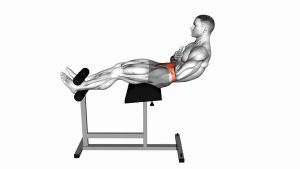
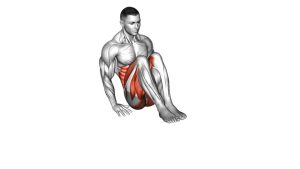
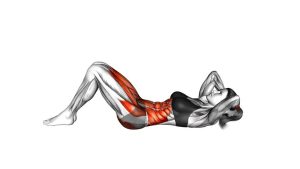
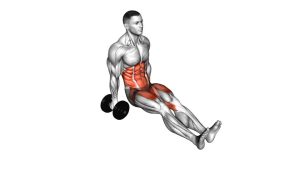
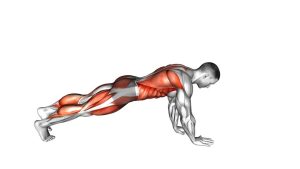
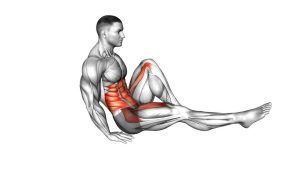
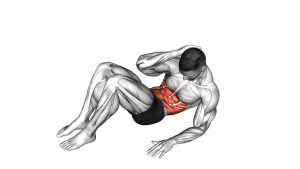
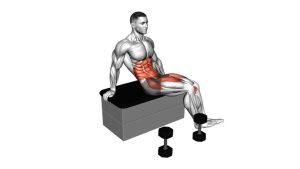
Cocoons are similar to a controlled double crunch or tucked V-up variation. The key difference is the rhythm: your body opens into a long position, then closes into a compact “cocoon” shape. This makes the exercise excellent for building abdominal strength, body control, and core coordination without needing machines or weights.
The movement should feel controlled from start to finish. Avoid throwing the arms or legs with momentum. Instead, think about pulling your ribs and pelvis toward each other as your knees come in. Then, as you extend back out, keep the core braced so your lower back does not arch aggressively off the floor.
Quick Overview
| Body Part | Abs |
|---|---|
| Primary Muscle | Rectus abdominis |
| Secondary Muscle | Hip flexors, obliques, transverse abdominis, deep core stabilizers |
| Equipment | No equipment required |
| Difficulty | Intermediate |
Sets & Reps (By Goal)
- Beginner core control: 2–3 sets × 6–8 reps with a slow, controlled tempo.
- Core strength: 3–4 sets × 8–12 reps with a strong tuck and smooth extension.
- Muscular endurance: 3–5 sets × 12–20 reps while keeping the lower back controlled.
- Abs finisher: 2–3 rounds × 20–30 seconds with clean form and short rest.
- Tempo challenge: 3 sets × 8–10 reps using a 2-second tuck and 3-second lowering phase.
Progression rule: First improve control, then increase reps. Only extend the legs lower when you can keep the lower back stable and avoid swinging.
Setup / Starting Position
- Lie on your back: Start on a mat with your legs extended and your arms reaching overhead.
- Brace the core: Gently tighten your abs as if preparing for a light punch to the stomach.
- Control the lower back: Keep your lower back close to the floor without forcing an uncomfortable flattening.
- Set the neck: Keep the head relaxed and avoid pulling the chin aggressively toward the chest.
- Prepare to move together: Your arms, torso, and legs should move as one coordinated unit.
If the full extended position feels too difficult, start with your heels slightly higher or your knees slightly bent. This reduces stress on the lower back and makes the movement easier to control.
Execution (Step-by-Step)
- Start long: Lie extended with arms overhead and legs straight, keeping your core lightly braced.
- Begin the crunch: Lift your head, shoulders, and upper back while your legs begin to rise.
- Pull into the tuck: Bend your knees toward your chest as your arms swing forward toward the shins.
- Reach the cocoon position: At the top, your torso is lifted, knees are close to the chest, and your abs are fully contracted.
- Pause briefly: Hold the compact position for a moment without collapsing or using momentum.
- Extend with control: Slowly reach your arms back overhead and extend your legs away from the body.
- Stop before losing position: Lower only as far as you can while keeping the core engaged and the lower back controlled.
- Repeat smoothly: Move into the next rep without bouncing, jerking, or dropping the legs quickly.
Pro Tips & Common Mistakes
Pro Tips
- Think “close the body”: Bring the ribs and pelvis toward each other instead of just throwing the knees forward.
- Use a controlled exhale: Exhale as you tuck to create a stronger abdominal contraction.
- Keep the movement compact: A clean small tuck is better than a big sloppy swing.
- Control the lowering phase: The return to extension builds strength if you resist gravity.
- Keep shoulders relaxed: Reach forward naturally, but do not shrug or tense the neck.
- Adjust leg height: The lower the legs go, the harder the exercise becomes.
Common Mistakes
- Using momentum: Swinging the arms and legs reduces abdominal tension.
- Arching the lower back: This usually means the legs are dropping too low or the core is fatigued.
- Pulling with the neck: The abs should lift the torso, not the neck muscles.
- Rushing reps: Fast reps often become sloppy and less effective.
- Only moving the legs: The upper body should also crunch upward into the tuck.
- Holding the breath: Use steady breathing to keep the movement controlled.
FAQ
What muscles do Cocoons work?
Cocoons mainly work the rectus abdominis, which is the main front abdominal muscle. They also involve the hip flexors, obliques, transverse abdominis, and deeper stabilizers that help control the pelvis and lower back.
Are Cocoons good for lower abs?
Yes. Cocoons strongly challenge the lower portion of the abdominal wall because the legs move away from and toward the body. However, the “lower abs” are not a separate muscle. The movement emphasizes lower abdominal control by forcing the core to stabilize the pelvis as the legs extend.
Are Cocoons beginner-friendly?
Cocoons are usually better for intermediate trainees. Beginners can modify them by bending the knees, keeping the feet higher, reducing the range, or performing simple tuck crunches first.
Why does my lower back hurt during Cocoons?
Lower-back discomfort often happens when the legs extend too low, the abs lose tension, or the movement becomes too fast. Keep the legs higher, bend the knees slightly, and stop each rep before your lower back arches.
Should I touch my shins at the top?
You can reach toward the shins, ankles, or knees, but the goal is not to grab hard. The goal is to compress the core while keeping control. Avoid using your hands to pull yourself into position.
How can I make Cocoons harder?
You can slow down the lowering phase, pause longer at the top, extend the legs lower, keep the arms fully overhead on the return, or add ankle weights only after mastering bodyweight form.
How can I make Cocoons easier?
Bend the knees, keep the heels higher, reduce the range of motion, or perform one phase at a time. For example, start with bent-knee tuck crunches before progressing to full Cocoons.
Recommended Equipment (Optional)
- Exercise Mat — provides cushioning for the spine and hips during floor-based core training.
- Ab Mat — useful for supporting controlled spinal flexion during ab exercises.
- Adjustable Ankle Weights — can increase difficulty once bodyweight Cocoons are controlled.
- Core Sliders — helpful for related core compression drills and tuck variations.
- Resistance Bands Set — useful for pairing Cocoons with anti-extension, anti-rotation, and full core workouts.
Tip: Equipment is optional for Cocoons. Master smooth bodyweight control first before adding load or harder variations.