Suspender Twisting Jackknife: Form, Core Benefits, Sets & Tips
Learn the Suspender Twisting Jackknife for abs, obliques, and core control. Full setup, step-by-step form, mistakes, FAQs, and equipment tips.
Suspender Twisting Jackknife
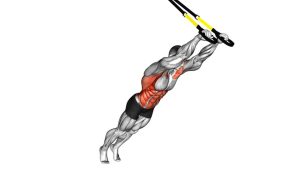
This exercise begins in a strong high-plank position with both feet secured in suspension straps. From there, the knees travel forward while the hips flex and rotate toward one side. After the twist reaches its controlled peak, the legs extend back to a straight suspended plank. Then, the movement can be repeated to the opposite side. As a result, the Suspender Twisting Jackknife trains the core through both flexion and rotation while also challenging shoulder stability.
Although the movement looks dynamic, it should not be performed with uncontrolled swinging. Instead, each repetition should feel deliberate, tight, and smooth. The shoulders stay stacked over the hands, the ribs stay pulled down, and the hips move only as far as the core can control. Therefore, this exercise is best for people who already have solid plank strength, good suspension-trainer control, and no wrist, shoulder, or lower-back discomfort during loaded plank positions.
Quick Overview
| Body Part | Core |
|---|---|
| Primary Muscle | Rectus abdominis and obliques |
| Secondary Muscle | Transverse abdominis, hip flexors, serratus anterior, shoulders, chest, glutes, and lower-back stabilizers |
| Equipment | Suspension trainer, TRX-style straps, or gymnastic suspension straps |
| Difficulty | Advanced because it requires plank strength, shoulder stability, core control, and anti-swing coordination |
Sets & Reps (By Goal)
- Core strength: Perform 3–4 sets of 6–10 reps per side. Rest 60–90 seconds between sets and focus on slow, powerful knee drives.
- Oblique development: Perform 3 sets of 8–12 reps per side. Use a controlled twist and pause briefly near the top of each repetition.
- Athletic core control: Perform 3–5 sets of 5–8 reps per side. Keep the movement crisp, stable, and explosive only if your plank remains clean.
- Core conditioning: Perform 2–3 rounds of 20–30 seconds. However, stop before your hips sag or your shoulders lose position.
- Technique practice: Perform 2–3 sets of 4–6 reps per side. Move slowly and master the return to plank before adding more volume.
Progression rule: First improve control, then increase reps. After that, you can slow the tempo, add a pause, or move the strap anchor farther behind you to increase difficulty. However, never progress if your lower back arches or your body swings between reps.
Setup / Starting Position
- Adjust the straps: Set the suspension straps so the foot cradles hang low enough for a strong plank position but high enough to keep the feet off the floor.
- Place your feet in the cradles: Kneel facing away from the anchor point, then secure the tops of both feet inside the straps.
- Walk your hands forward: Move into a high plank with your hands slightly wider than shoulder-width. Keep the wrists under the shoulders.
- Brace your trunk: Pull the ribs down, tighten the abs, and lightly squeeze the glutes before the first repetition begins.
- Set your head and neck: Keep your neck neutral and look slightly ahead of your hands. Avoid dropping the head or looking too far forward.
- Stabilize the shoulders: Push the floor away and keep the upper back active. This helps prevent the chest from collapsing toward the floor.
- Create a straight line: Before moving, align the shoulders, hips, knees, and ankles in one strong plank line.
Execution (Step-by-Step)
- Start in a suspended plank: Keep your arms straight, shoulders stacked, feet in the straps, and core fully braced.
- Begin the knee drive: Bend both knees and pull them forward toward your torso. At the same time, begin rotating your hips slightly toward one side.
- Twist with control: Guide your knees diagonally toward one elbow. The twist should come from the trunk and hips, not from yanking the straps with momentum.
- Reach the peak position: At the top, your knees should be close to the side of your torso while your shoulders remain stable over your hands.
- Pause briefly: Hold the contraction for a short moment. During this pause, keep breathing and avoid collapsing through the lower back.
- Return to plank: Extend both legs backward slowly until your body forms a straight line again.
- Reset before switching sides: Let the hips return to neutral before twisting to the opposite side. This keeps each rep clean and prevents swinging.
- Repeat evenly: Alternate sides for the target number of reps while keeping the same tempo and range of motion on both sides.
During the exercise, the best reps are controlled from start to finish. Therefore, avoid rushing the return phase. The straps naturally create instability, so your core must resist excess motion while still producing the twisting jackknife pattern. This combination makes the exercise more demanding than a normal floor-based twisting crunch.
Pro Tips & Common Mistakes
Pro Tips
- Push the floor away: Keep the shoulders strong by actively pressing through your hands. As a result, your upper body stays stable while the legs move.
- Lead with the knees, not the feet: Think about pulling the knees toward the side of the torso instead of swinging the feet through the straps.
- Control the rotation: Rotate only as far as your abs and obliques can manage. A smaller clean twist is better than a large sloppy twist.
- Exhale during the tuck: Breathe out as your knees travel forward. This helps the ribs stay down and improves abdominal contraction.
- Pause at full contraction: A short pause makes the obliques work harder and removes momentum from the movement.
- Return slowly: The lowering phase builds control. Therefore, do not let the straps pull your legs backward too quickly.
Common Mistakes
- Letting the hips sag: This shifts stress into the lower back. Keep the glutes lightly engaged and the abs tight.
- Using too much speed: Fast reps often become swinging reps. Instead, move with control and keep the straps quiet.
- Collapsing the shoulders: If the chest drops toward the floor, the shoulders may become irritated. Push the floor away throughout the set.
- Twisting from the lower back only: The rotation should be controlled through the trunk, hips, and obliques, not forced through the lumbar spine.
- Holding the breath: Breath-holding can create unnecessary tension. Exhale into the knee drive and inhale as you return.
- Training past form breakdown: Once your plank line is lost, the set is finished. Quality matters more than total reps.
FAQ
What muscles does the Suspender Twisting Jackknife work?
The Suspender Twisting Jackknife mainly works the rectus abdominis and obliques. In addition, it trains the transverse abdominis, hip flexors, shoulders, serratus anterior, glutes, and lower-back stabilizers because the body must hold a suspended plank while rotating.
Is the Suspender Twisting Jackknife good for abs?
Yes. It is a strong abs exercise because it combines knee tucking, hip flexion, rotation, and suspension instability. However, it is more advanced than basic crunches or floor jackknifes, so beginners should build plank control first.
Should I alternate sides every rep?
Alternating sides is usually best because it keeps the movement balanced and reduces fatigue on one side. However, you can also complete all reps on one side before switching if your goal is focused oblique endurance.
Why do I feel this exercise in my shoulders?
Some shoulder work is normal because your arms support your body in a high plank. However, shoulder pain is not normal. If your shoulders feel overloaded, reduce the set length, improve your plank position, or practice easier suspension planks first.
How can I make the Suspender Twisting Jackknife easier?
You can make it easier by reducing the range of motion, slowing down, performing regular suspended knee tucks, or placing the hands on a slightly elevated surface. Additionally, you can practice mountain climbers and plank knee-to-elbow drills before returning to the suspension version.
How can I make the exercise harder?
To make it harder, add a pause at the top, slow the return phase, increase reps, or perform the movement with stricter anti-swing control. Nevertheless, only increase difficulty when your lower back stays neutral and your shoulders remain stable.
Is this exercise safe for the lower back?
It can be safe when performed with excellent core control. However, if your hips sag, your lower back arches, or you swing through the straps, the movement may irritate the lumbar area. For that reason, stop when form breaks and regress if needed.
Recommended Equipment
- Suspension Trainer Straps — the main tool needed for suspended jackknifes, knee tucks, rows, presses, and core stability drills.
- TRX-Style Suspension Trainer — a durable option for full-body suspension workouts and advanced core exercises.
- Door Anchor for Suspension Trainer — useful for home setups when you need a secure indoor anchor point.
- Non-Slip Exercise Mat — helps protect the hands, wrists, and knees during setup and plank-based core training.
- Workout Wrist Wraps — optional support for users who feel wrist fatigue during long high-plank or suspension-trainer sets.
Tip: Always check the anchor point, straps, buckles, and foot cradles before training. Because this exercise places the feet in suspension, secure equipment is essential for safe and controlled reps.