Lever Kneeling Twist: Proper Form, Core Benefits, Sets, Tips & FAQ
Learn how to do the Lever Kneeling Twist with proper form. Build obliques, rotational core strength, and torso control with step-by-step cues, sets, mistakes, FAQs, and equipment.
Lever Kneeling Twist
The Lever Kneeling Twist is especially useful for building a stronger, more athletic midsection. It challenges the body to rotate under resistance while keeping the lower body quiet and controlled. As a result, the exercise can improve oblique strength, trunk coordination, and rotational control for sports, lifting, and daily movement.
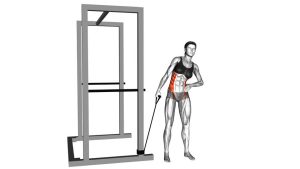
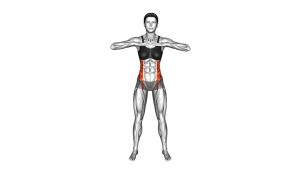
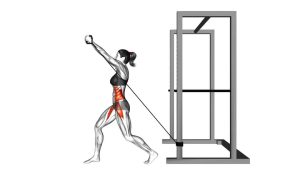
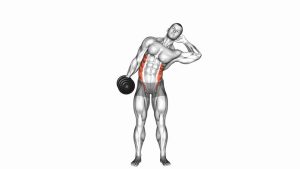
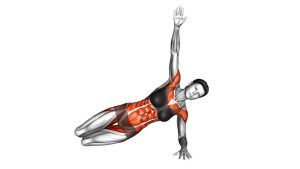
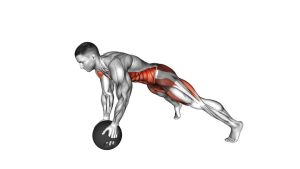
In the video, the exerciser begins on both knees with the torso upright and the arms extended toward the lever handle. Then, the torso rotates in a smooth arc while the hips remain stable. Additionally, the arms stay long enough to create a strong lever effect, which increases the demand on the core. Finally, the body returns to the center with control instead of snapping back.
Quick Overview
| Body Part | Core |
|---|---|
| Primary Muscle | Obliques |
| Secondary Muscle | Rectus abdominis, transverse abdominis, spinal stabilizers, shoulders, hip stabilizers |
| Equipment | Lever machine or plate-loaded rotational machine |
| Difficulty | Intermediate |
Sets & Reps (By Goal)
- Core control: 2–3 sets × 10–12 reps per side with a slow, smooth tempo.
- Oblique strength: 3–4 sets × 8–10 reps per side with moderate resistance.
- Muscle endurance: 2–3 sets × 12–15 reps per side using light-to-moderate load.
- Athletic rotation: 3–5 sets × 6–8 controlled reps per side with a stronger brace.
Progression rule: First, increase control and range quality. Then, add resistance gradually. However, never increase the load if your hips start shifting, your lower back twists aggressively, or the handle pulls you out of position.
Setup / Starting Position
- Set the machine: Adjust the lever arm or handle so it starts around chest height or slightly below shoulder level.
- Kneel tall: Place both knees on the floor or pad. Keep your hips stacked over your knees.
- Grip the handle: Hold the handle with both hands. Keep the arms extended but not locked aggressively.
- Brace your core: Pull the ribs down slightly and keep the pelvis neutral. This helps prevent lower-back compensation.
- Relax the shoulders: Keep the shoulder blades controlled and avoid shrugging before the twist begins.
- Start centered: Face forward, keep the chest tall, and prepare to rotate through the torso.
Tip: If your knees feel uncomfortable, place a thick exercise mat or kneeling pad underneath them before starting.
Execution (Step-by-Step)
- Begin with tension: Hold the handle firmly and create light core tension before moving.
- Rotate from the waist: Turn your torso to one side while keeping your hips as still as possible.
- Keep the arms long: Let the arms guide the lever, but do not turn the movement into an arm pull.
- Control the end range: Stop when you feel strong oblique tension without forcing your spine farther.
- Pause briefly: Hold the rotated position for a short moment while keeping the ribs down.
- Return to center: Slowly rotate back to the starting position without letting the weight pull you.
- Repeat evenly: Complete the target reps on one side, then repeat the same number of reps on the other side.
Pro Tips & Common Mistakes
Pro Tips
- Use a slow tempo: Rotate with control, pause briefly, then return smoothly.
- Keep your ribs stacked: This improves oblique engagement and reduces lower-back stress.
- Think “torso turns the handle”: Your arms should transfer force, not dominate the exercise.
- Brace before every rep: A stable brace helps you rotate with strength instead of collapsing into the spine.
- Train both sides equally: Balanced reps help reduce left-to-right rotation differences.
Common Mistakes
- Using too much weight: Heavy resistance often causes swinging, hip shifting, and poor control.
- Twisting through the lower back only: Instead, rotate through the trunk as a controlled unit.
- Pulling with the arms: This reduces core work and turns the exercise into a shoulder movement.
- Letting the hips move: Hip rotation makes the exercise easier and reduces oblique tension.
- Rushing the return: The return phase is important because it trains eccentric core control.
FAQ
What muscles does the Lever Kneeling Twist work?
The Lever Kneeling Twist mainly works the obliques. However, it also trains the rectus abdominis, transverse abdominis, spinal stabilizers, shoulders, and hip stabilizers because the body must stay controlled while rotating.
Is the Lever Kneeling Twist good for building obliques?
Yes. Because the exercise uses loaded torso rotation, it can help build stronger and more defined obliques. For best results, use controlled reps instead of fast swinging reps.
Should I use heavy weight on this exercise?
Use moderate resistance. The movement should feel challenging, but you should still control the start, rotation, pause, and return. If the weight pulls your torso or shifts your hips, it is too heavy.
Can beginners do the Lever Kneeling Twist?
Beginners can use it if they start very light and learn proper bracing first. However, many beginners should begin with simpler exercises such as dead bugs, Pallof presses, or light cable rotations before progressing to the lever version.
Why does kneeling make the exercise different?
The kneeling position reduces help from the legs and hips. As a result, the core must work harder to control the rotation. Additionally, kneeling can make it easier to notice unwanted hip movement.
How far should I rotate?
Rotate only as far as you can control without pain, hip shifting, or lower-back strain. A moderate range with strong control is better than a large range performed with poor form.
Recommended Equipment
- Plate-Loaded Rotary Torso Machine — useful for loaded rotational core training and controlled oblique work.
- Cable Machine Handle Attachments — helpful if you want to perform similar kneeling cable twists.
- Exercise Kneeling Pad — protects the knees during kneeling core exercises.
- Adjustable Resistance Bands with Handles — great for lighter rotational core drills and home alternatives.
- Anti-Slip Exercise Mat — provides grip, comfort, and better knee support during floor-based training.
Tip: Choose equipment that lets you control the movement smoothly. For this exercise, stability and clean resistance matter more than maximum load.