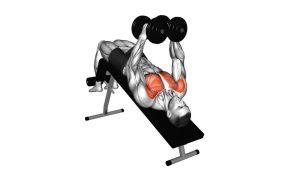
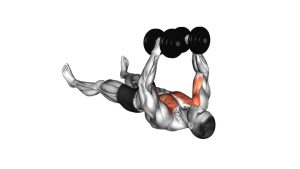
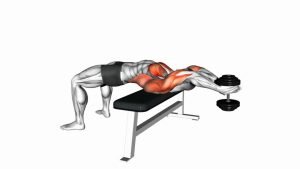
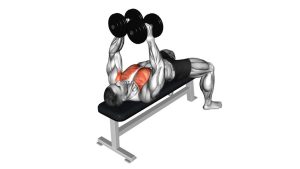
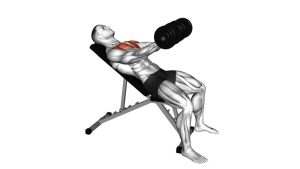
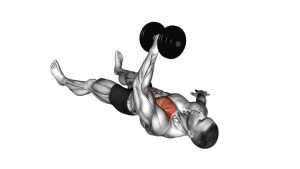
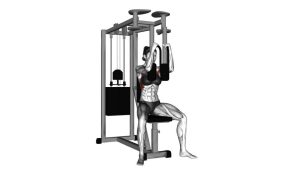
Dumbbell Fly: Proper Form, Sets & Reps, Tips & FAQ (Flat Bench Chest Fly)
Learn how to do the Dumbbell Fly on a flat bench to isolate the chest safely. Step-by-step form cues, sets & reps by goal, common mistakes, FAQs, and recommended equipment.
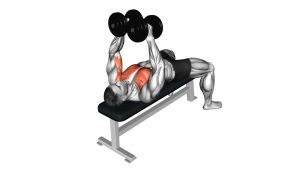
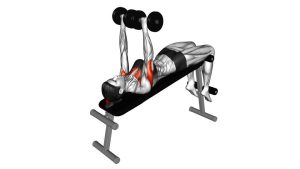
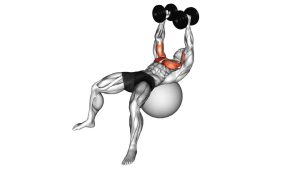
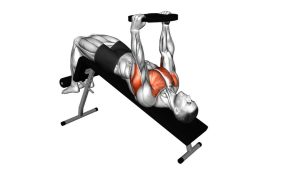
Dumbbell Fly (Flat Bench)
Done with control, dumbbell flies are excellent for building the chest with a deep stretch and constant tension. The priority is shoulder-friendly range, a stable upper back, and a consistent arm path. Choose weights you can control—flys reward form more than load.
Quick Overview
| Body Part | Chest |
|---|---|
| Primary Muscle | Pectoralis major (chest) |
| Secondary Muscle | Anterior deltoids; biceps (elbow stabilization); scapular stabilizers |
| Equipment | Flat bench + dumbbells |
| Difficulty | Beginner–Intermediate (best with light-to-moderate loads and strict control) |
Sets & Reps (By Goal)
- Hypertrophy (size): 3–4 sets × 10–15 reps (60–90 sec rest, controlled tempo)
- Strength accessory (after presses): 2–4 sets × 8–12 reps (75–120 sec rest)
- Chest pump / finisher: 2–3 sets × 15–20 reps (45–75 sec rest, strict form)
- Beginner technique: 2–3 sets × 10–12 reps (light load, slow eccentric)
Progression rule: Add reps first (clean form), then add small weight jumps. If your elbows start bending like a press or your shoulders feel strained, the weight is too heavy.
Setup / Starting Position
- Set the bench: Use a stable flat bench. Sit with dumbbells resting on your thighs.
- Lie back safely: “Kick” the dumbbells up one at a time as you lie back, then bring them above your chest.
- Upper-back position: Pull shoulder blades back and down (retracted + depressed). Keep the chest gently lifted.
- Footing: Plant your feet firmly on the floor for stability.
- Arm position: Dumbbells above mid-chest with a slight elbow bend (soft, not locked). Palms face each other (neutral grip).
Tip: Think “proud chest, stable shoulders.” Your arms move—your shoulders stay controlled.
Execution (Step-by-Step)
- Inhale and brace: Keep ribs controlled and shoulders set back/down.
- Lower in a wide arc: Open your arms out to the sides with the same elbow bend. Move slowly—this is the money phase for chest growth.
- Stop at a safe stretch: Lower until your upper arms are near level with the bench (or slightly above), without shoulder pinching or losing control.
- Bring the dumbbells back together: “Hug the barrel” by squeezing the chest and returning along the same arc.
- Finish under control: Dumbbells meet above mid-chest. Avoid clanking or over-squeezing; keep tension on the pecs.
Pro Tips & Common Mistakes
Pro Tips
- Keep elbows “soft” and fixed: Maintain the same bend from top to bottom.
- Slow eccentric: Lower for ~2–4 seconds to maximize stretch tension.
- Chest-driven return: Think “bring biceps toward each other,” not “lift dumbbells up.”
- Shoulders stay down: Avoid shrugging—keep scapula controlled and stable.
Common Mistakes
- Going too deep: Excessive stretch can irritate the shoulder joint—stop before pinching.
- Turning it into a press: Too much elbow bend shifts the work away from the fly pattern.
- Rushing reps: Fast, bouncy reps reduce tension and increase joint stress.
- Letting shoulders roll forward: Keep your upper back “packed” against the bench.
FAQ
Where should I feel dumbbell flys?
You should feel a strong stretch and contraction in the chest, especially across the pecs. A little front-shoulder involvement is normal, but sharp pinching is a sign to reduce range or load.
Should the dumbbells touch at the top?
They can lightly meet, but it’s not required. Focus on keeping tension in the chest rather than clanking the weights together.
How low should I go on flys?
Lower until you feel a deep chest stretch while staying pain-free and controlled. For most lifters, that’s around upper arms near bench level (or slightly above), depending on shoulder mobility.
Are flys better before or after presses?
Most people do flys after pressing as an isolation/accessory movement. If chest activation is a struggle, you can also use light flys early as a controlled “primer,” but avoid pre-fatiguing too hard.
What if flys bother my shoulders?
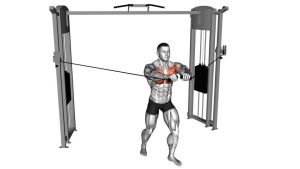
Use a smaller range of motion, keep the elbows slightly more bent, and lower the weight. You can also try a cable fly (more constant tension and easier to control angles).
Recommended Equipment (Optional)
- Adjustable Dumbbells — easy load changes for progressive overload without clutter
- Flat Weight Bench — stable base for strict fly form and safe positioning
- Lifting Straps (Optional) — helpful if grip fatigue limits your chest work (not required)
- Resistance Bands Set — great for warm-ups, shoulder prep, and chest “pump” finishers
- Foam Roller — supports thoracic mobility work to improve chest positioning on the bench
Tip: If a tool changes your form for the worse (unstable bench, awkward dumbbells), choose stability first—flys are all about control.