Cow Stretch Exercise: Proper Form, Benefits, Sets, Tips & FAQ
Learn the Cow Stretch for better spinal mobility, posture, core flexibility, and back control with step-by-step form, tips, FAQs, and equipment.
Cow Stretch
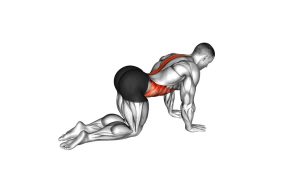
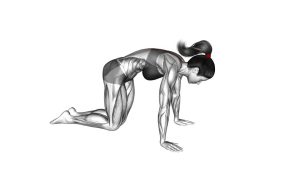
The Cow Stretch is commonly used as the extension phase of the Cat-Cow exercise. During the movement, the athlete starts on the hands and knees, tilts the pelvis forward, drops the belly toward the floor, opens the chest, and gently lifts the head. Because the motion is slow and controlled, it works well as a warm-up, recovery drill, yoga mobility exercise, or posture-focused movement.
For the best result, begin the movement from the hips rather than the neck. Then, allow the lower back, upper back, chest, and head to follow in sequence. As a result, the exercise trains spinal articulation instead of simply forcing one area of the back into a hard arch.
Quick Overview
| Body Part | Core |
|---|---|
| Primary Muscle | Spinal erectors and spinal stabilizers |
| Secondary Muscle | Rectus abdominis, obliques, hip flexors, chest, shoulders, and neck extensors |
| Equipment | Bodyweight only; optional exercise mat or yoga blocks |
| Difficulty | Beginner |
Sets & Reps (By Goal)
- Mobility warm-up: Perform 1–3 sets of 8–12 slow reps before training.
- Posture and spine control: Complete 2–3 sets of 8–15 reps with a 2–3 second pause.
- Morning or desk reset: Use 1–2 sets of 6–10 gentle reps with relaxed breathing.
- Yoga or recovery flow: Move for 30–60 seconds, especially when paired with Cat Stretch.
- Beginner technique practice: Start with 2 sets of 5–8 reps while focusing on smooth control.
Progression rule: First improve control, breathing, and spinal sequencing. After that, increase reps or pause time gradually. However, never progress by forcing a deeper back arch.
Setup / Starting Position
- Begin on all fours: Place your hands under your shoulders and your knees under your hips.
- Spread your fingers: Press evenly through the palms so the wrists and shoulders stay stable.
- Set your lower body: Keep the knees hip-width apart and the tops of the feet relaxed on the floor.
- Find a neutral spine: Keep your back flat, neck long, and gaze slightly down before moving.
- Relax your shoulders: Avoid shrugging, and let the shoulder blades stay controlled on the rib cage.
- Brace lightly: Maintain enough core tension to guide the motion without making your body stiff.
Tip: If your knees feel pressure, place a folded towel or soft exercise mat underneath them. In addition, keep your weight balanced between both hands and both knees.
Execution (Step-by-Step)
- Start from neutral: Organize your hands, knees, spine, and head before beginning the rep.
- Tilt the pelvis forward: Gently rotate the hips so the tailbone lifts slightly.
- Lower the belly with control: Allow the abdomen to move toward the floor without suddenly collapsing into the lower back.
- Open the chest: Draw the chest forward between the arms while the upper back extends.
- Lift the head gently: Let the gaze move forward or slightly upward, but keep the neck relaxed.
- Pause and breathe: Hold the extended position for 1–3 seconds while maintaining smooth breathing.
- Return with control: Slowly bring the spine back to neutral before starting the next repetition.
Pro Tips & Common Mistakes
Pro Tips
- Move from the pelvis first: This improves sequencing and helps the full spine participate.
- Inhale into the stretch: Breathing in can help the ribs expand and the chest open.
- Press the floor away lightly: This keeps the shoulders stable without locking the elbows.
- Create one smooth curve: Instead of dumping into the lower back, spread the movement through the spine.
- Let the neck follow: The head should rise gently after the chest begins to open.
- Use a comfortable range: Smaller controlled reps are often better than forced deep stretching.
Common Mistakes
- Overarching the lower back: This can create compression rather than useful mobility.
- Throwing the head back: As a result, the neck may feel pinched or tense.
- Letting the shoulders collapse: Instead, keep the arms active and the chest supported.
- Moving too quickly: Fast reps reduce control and make the drill less effective.
- Holding the breath: Smooth breathing helps the spine move more freely.
- Forcing range: Although the stretch should feel noticeable, it should not feel aggressive.
FAQ
What is the Cow Stretch good for?
The Cow Stretch is good for improving spinal extension, reducing stiffness, opening the chest, stretching the front of the core, and preparing the back for movement. Additionally, it can help you practice better control through the pelvis, rib cage, and neck.
Is the Cow Stretch the same as Cat-Cow?
The Cow Stretch is one part of Cat-Cow. Specifically, Cow is the spinal extension phase where the belly drops, the chest opens, and the head gently lifts. Meanwhile, Cat is the opposite phase where the spine rounds upward.
Where should I feel the Cow Stretch?
You may feel a gentle stretch through the abdomen, chest, front of the hips, and sometimes the front of the neck. At the same time, the muscles along the back may lightly activate to support the extended position.
Can beginners do the Cow Stretch?
Yes. This exercise is beginner-friendly because it uses bodyweight and a controllable range of motion. However, beginners should move slowly, keep the range comfortable, and avoid forcing the spine downward.
Should I look up during the Cow Stretch?
You can look slightly forward or gently upward. Nevertheless, avoid throwing the head back aggressively. The neck should follow the spine instead of leading the movement.
How often can I do the Cow Stretch?
Many people can use it daily as part of a light mobility routine. For best results, start with 1–3 sets of controlled reps and adjust based on comfort, breathing, and spinal control.
Recommended Equipment
- Yoga Mat — provides grip and cushioning for the hands, knees, and feet.
- Exercise Mat — useful for longer mobility sessions and floor-based stretching.
- Yoga Knee Pad — adds extra comfort if your knees feel pressure in the all-fours position.
- Yoga Blocks — helpful for modified mobility work and extra support during yoga flows.
- Stretching Strap — useful for pairing the Cow Stretch with full-body flexibility work.
Tip: For this exercise, comfort and control matter more than equipment. Therefore, a non-slip mat and knee support are usually enough for most beginners.