Suspension Rollout: Proper Form, Core Benefits, Sets, Tips & FAQ
Learn the Suspension Rollout with proper kneeling form, core control tips, sets by goal, common mistakes, FAQs, and useful equipment.
Suspension Rollout
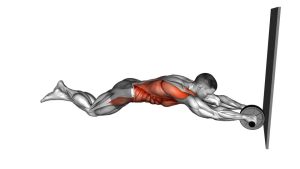
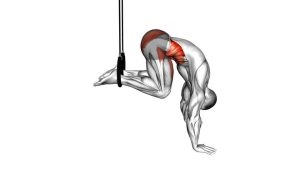
This exercise works best when the movement stays slow, clean, and connected. Instead of dropping the hips or swinging through the straps, the goal is to move the body forward as one strong unit, pause briefly near the end range, and then return with control. As a result, the Suspension Rollout can build serious core strength without needing heavy external load.
Quick Overview
| Body Part | Core |
|---|---|
| Primary Muscle | Rectus abdominis |
| Secondary Muscle | Obliques, transverse abdominis, lats, shoulders, hip flexors |
| Equipment | Suspension trainer straps or gymnastic-style suspension handles |
| Difficulty | Intermediate because the extended position demands strong core control |
Sets & Reps (By Goal)
- Core control practice: 2–3 sets × 5–8 slow reps, resting 60–90 seconds between sets.
- Strength building: 3–4 sets × 6–10 reps, using a controlled reach and a strong return.
- Muscle endurance: 2–4 sets × 10–15 reps, only if every rep stays stable and smooth.
- Warm-up activation: 1–2 sets × 5–6 shorter-range reps before heavier core or upper-body work.
Progression rule: First increase control and range. Then add reps. Finally, make the angle harder only when your hips, ribs, and lower back stay stable.
Setup / Starting Position
- Attach the straps securely: Set the suspension handles at a height that allows you to kneel and reach forward comfortably.
- Kneel on the floor: Place both knees down and keep your hips stacked over your knees at the start.
- Grip the handles: Hold one handle in each hand with your arms extended in front of your body.
- Brace your core: Pull your ribs down slightly and tighten your midsection before moving.
- Set your shoulders: Keep the shoulders active but not shrugged, and maintain long arms as you prepare to roll forward.
Tip: Use a soft mat or knee pad if the floor pressure distracts you from keeping proper core tension.
Execution (Step-by-Step)
- Start tall: Begin from a kneeling position with your hands holding the suspension handles in front of you.
- Lean forward slowly: Let your arms travel forward while your torso follows in one controlled line.
- Keep the arms long: Maintain mostly straight elbows as the handles move farther away from your knees.
- Reach your end range: Stop when your body is extended but your lower back still feels controlled.
- Pause briefly: Hold the extended position for a moment without sagging through the hips.
- Pull back with control: Use your core and upper body to return to the starting kneeling position.
- Reset before the next rep: Re-brace your abs, relax unnecessary tension, and repeat with the same smooth tempo.
Pro Tips & Common Mistakes
- Keep your ribs down: This helps prevent the lower back from arching as the arms reach forward.
- Move as one unit: Avoid letting the hips shoot forward or drop separately from the torso.
- Control the straps: Since suspension handles can swing, keep your reach smooth and centered.
- Do not chase maximum range too early: A shorter, stable rollout is more useful than a long, uncontrolled rep.
- Avoid bending the elbows too much: Excessive arm pulling can turn the movement into more of an upper-body row instead of a rollout.
- Use a slower return: The return phase should feel controlled, not like a quick snap back to the start.
- Keep your neck neutral: Look slightly forward and down rather than craning your head upward.
FAQ
What muscles does the Suspension Rollout work?
The Suspension Rollout mainly targets the rectus abdominis while also challenging the obliques, deep core, shoulders, lats, and hip flexors. Additionally, the straps make the exercise more demanding because your core must stabilize the body during the forward reach.
Is the Suspension Rollout good for abs?
Yes. It is a strong abs exercise because the core must resist lower-back extension as the body lengthens. However, it should be performed with strict control instead of speed.
Is this exercise beginner-friendly?
It may be too challenging for some beginners. Therefore, start with a shorter range of motion, keep the straps easier to control, and only progress when your lower back stays stable.
Why does my lower back hurt during suspension rollouts?
Lower-back discomfort often happens when the hips sag, the ribs flare, or the range is too long. Reduce the distance of the rollout and brace your abs before each rep.
How can I make the Suspension Rollout easier?
Make the movement shorter, use a more upright body angle, and move slower. Also, place your knees closer to the anchor point if that helps you control the forward reach.
How can I make it harder?
Increase the forward reach, slow down the lowering phase, add a longer pause at the end range, or adjust your body angle so the straps create more challenge.
Recommended Equipment
- Suspension Trainer Straps — the main tool needed for performing suspension rollouts.
- Exercise Knee Pad — helps protect the knees during kneeling rollout variations.
- Non-Slip Exercise Mat — improves comfort and reduces sliding during setup and return.
- Door Anchor for Suspension Trainer — useful for home setups when a secure overhead anchor is available.
- Resistance Bands Set — helpful for core warm-ups, shoulder activation, and accessory stability work.
Tip: Always check that the straps and anchor are secure before each set. Suspension exercises depend on stable equipment as much as stable technique.