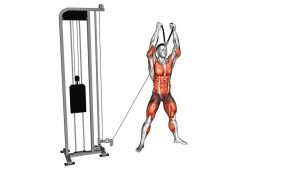
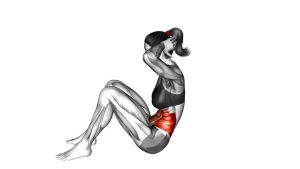
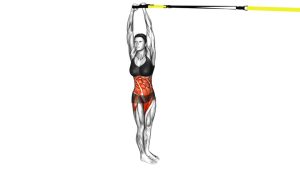
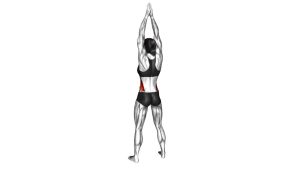
Bodyweight Standing Oblique Twist: Form, Benefits, Sets & Tips
Learn the Bodyweight Standing Oblique Twist for controlled core rotation, oblique activation, better posture, safe form, sets, tips, FAQs, and gear.
Bodyweight Standing Oblique Twist
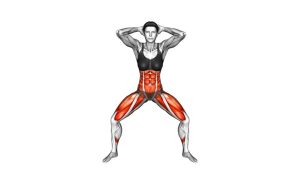
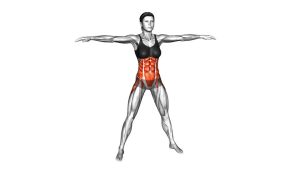
This exercise works best when the rotation comes from the torso rather than from swinging the arms. Because the body stays upright, the drill is beginner-friendly and easy to include in warm-ups, home workouts, mobility sessions, or light core circuits. However, the movement should still feel controlled. Therefore, avoid using momentum or forcing the spine into an extreme twist.
Quick Overview
| Body Part | Obliques |
|---|---|
| Primary Muscle | Obliques |
| Secondary Muscle | Rectus abdominis, transverse abdominis, spinal stabilizers, hip stabilizers |
| Equipment | None |
| Difficulty | Beginner |
Sets & Reps (By Goal)
- Warm-up: 1–2 sets × 20–30 total twists at an easy pace.
- Core endurance: 2–4 sets × 30–45 seconds with smooth alternating reps.
- Beginner control: 2–3 sets × 10–15 twists per side with a short pause at each side.
- Mobility practice: 1–3 sets × 8–12 slow twists per side, focusing on range you can control.
Progression rule: Add time or reps before adding speed. For better control, pause briefly at the end of each twist while keeping the hips steady.
Setup / Starting Position
- Stand tall: Place your feet about shoulder-width apart and keep your weight balanced.
- Set your posture: Keep your chest lifted, shoulders relaxed, and spine neutral.
- Position your arms: Hold your arms in front of your torso around chest level with the elbows slightly bent.
- Brace lightly: Engage your core enough to control the twist without stiffening your whole body.
- Look forward first: Start from the center before rotating to either side.
Tip: Keep your lower body quiet. A small natural hip movement may happen, but the main action should come from the torso.
Execution (Step-by-Step)
- Begin in the center: Stand upright with your arms held in front of your body.
- Rotate to one side: Turn your shoulders and torso together while keeping your hips mostly stable.
- Control the end range: Stop when you reach a comfortable twist without leaning or forcing the spine.
- Return to center: Bring your torso back smoothly instead of snapping back.
- Rotate to the other side: Repeat the same controlled pattern in the opposite direction.
- Continue alternating: Keep a steady rhythm while maintaining posture, balance, and control.
Pro Tips & Common Mistakes
- Rotate, don’t bend: Keep the movement horizontal rather than side-bending or leaning forward.
- Keep the hips controlled: Let the torso lead while the lower body stays mostly steady.
- Avoid momentum: Swinging reduces core control and may stress the lower back.
- Use a comfortable range: A clean moderate twist is better than an aggressive forced twist.
- Keep your shoulders relaxed: Do not shrug or tense your neck during the movement.
- Control your breathing: Exhale gently as you rotate and inhale as you return through center.
- Stay tall: Maintain an upright spine from start to finish.
FAQ
What muscles does the Bodyweight Standing Oblique Twist work?
The exercise mainly targets the obliques, which help rotate and control the torso. Additionally, the rectus abdominis, transverse abdominis, and spinal stabilizers assist with posture and trunk control.
Is the Standing Oblique Twist good for beginners?
Yes. Because it uses bodyweight only and does not require floor positioning, it is beginner-friendly. However, beginners should move slowly and avoid forcing the twist.
Should my hips move during the exercise?
Your hips may move slightly, but they should not drive the exercise. For better oblique control, keep the lower body mostly stable while the torso rotates side to side.
Can this exercise reduce waist fat?
This exercise can strengthen and condition the core muscles, but it does not directly burn fat from one specific area. For fat loss, combine strength training, cardio, nutrition, and consistent activity.
How fast should I perform Standing Oblique Twists?
Use a smooth, moderate tempo. If you lose balance, swing your arms, or feel your lower back taking over, slow down immediately and shorten the range.
Recommended Equipment (Optional)
- Exercise Mat — useful for warm-ups, cooldowns, and pairing this exercise with floor core work
- Resistance Bands Set — helpful for progressing into resisted rotational core drills
- Medicine Ball — optional tool for more advanced rotational core exercises
- Adjustable Dumbbell — useful for weighted core progressions when bodyweight control is mastered
- Fitness Interval Timer — helps track timed core sets, warm-up rounds, and circuit intervals
Tip: Master the bodyweight version first. Then, progress only when you can rotate smoothly without lower-back discomfort or momentum.