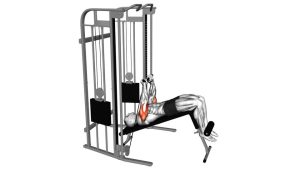
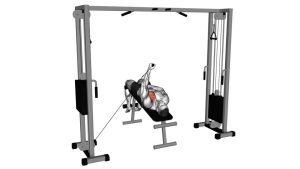
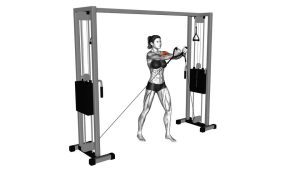
Cable Seated Chest Press : Form, Muscles Worked, Sets & Tips
Learn how to do the Cable Seated Chest Press with perfect form for chest growth and safer pressing. Includes muscles worked, sets & reps by goal, step-by-step cues, mistakes, FAQs, and recommended equipment.
Cable Seated Chest Press
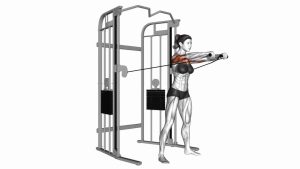
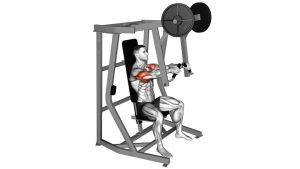
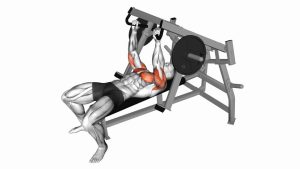
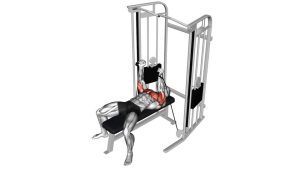
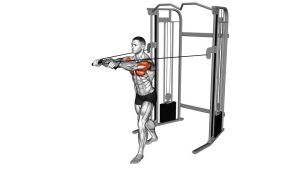
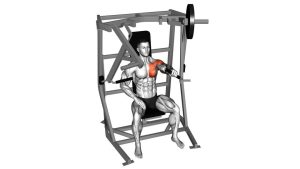
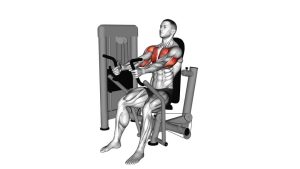
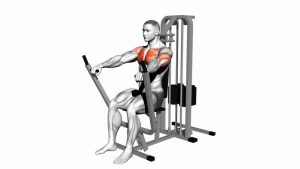
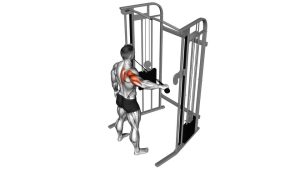
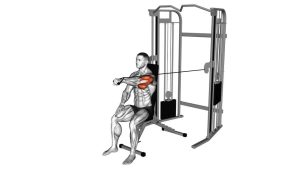
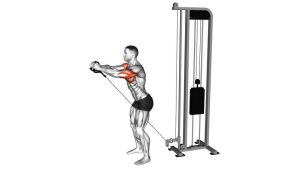
This movement is all about a stable torso, a controlled elbow path, and pressing the handles forward while keeping your shoulders set. You should feel the chest doing the work, not your traps shrugging or your shoulders rolling forward at lockout.
Quick Overview
| Body Part | Chest |
|---|---|
| Primary Muscle | Pectoralis major (mid-chest emphasis) |
| Secondary Muscle | Anterior deltoids, triceps, serratus anterior (stability) |
| Equipment | Dual cable station + bench + handles (D-handles recommended) |
| Difficulty | Beginner–Intermediate (easy to learn, challenging to perfect) |
Sets & Reps (By Goal)
- Hypertrophy (main work): 3–5 sets × 8–12 reps (60–90 sec rest)
- Strength focus: 4–6 sets × 5–8 reps (90–150 sec rest, controlled tempo)
- Chest pump / finisher: 2–4 sets × 12–20 reps (30–60 sec rest)
- Technique / shoulder-friendly pressing: 2–3 sets × 10–15 reps (light–moderate load)
Progression rule: Add reps first (clean range + stable shoulders). Then add a small amount of weight. If you start leaning, shrugging, or losing control on the eccentric, the load is too heavy.
Setup / Starting Position
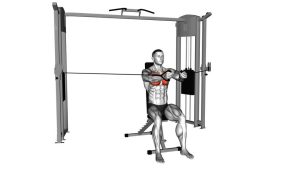
- Set pulley height: Position both pulleys around mid-chest level when seated.
- Place the bench: Center a bench between the stacks. Sit tall with feet flat and stable.
- Grab handles: Use D-handles. Start with elbows bent and hands near chest level.
- Brace posture: Ribs down, core lightly braced, chest “proud,” shoulders down and back.
- Find your start angle: Elbows slightly below shoulder height; forearms roughly in line with the cables.
Tip: If the cables pull your shoulders forward at the start, scoot the bench slightly forward or lower the weight. The first rep should start under control—not in a fight for position.
Execution (Step-by-Step)
- Set and breathe: Inhale and “lock in” your posture—neutral spine, shoulders set, wrists straight.
- Press forward: Drive the handles forward and slightly inward until your arms are almost straight.
- Keep elbows controlled: Elbows track at a comfortable angle (about 30–60° from the torso).
- Stop before lockout: Finish with tension—avoid hard elbow lock and avoid shoulders rolling forward.
- Slow return: Control the handles back until you feel a strong chest stretch (no bouncing).
Pro Tips & Common Mistakes
- Keep your shoulder blades “set”: Down and slightly back—avoid rolling forward at the top.
- Use a slight inward arc: Press forward and a touch inward for better pec engagement.
- Control the eccentric: 2–3 seconds back builds more chest and protects the shoulders.
- Don’t overflare elbows: Excessive flare can irritate shoulders; keep a comfortable angle.
- Avoid torso rocking: If you’re swinging, the weight is too heavy or your bench position is off.
- Neutral wrists: Knuckles stacked over forearms—don’t let the wrist collapse backward.
FAQ
Where should I feel the cable seated chest press?
You should feel the most work in the chest, especially through the middle range, with triceps assisting. If you feel mostly front-shoulder strain, lower the load, tuck elbows slightly, and keep the shoulders down and back.
Is this better than a machine chest press?
Cables provide constant tension and let you adjust your pressing path more freely. Machines can be more stable and easier to load heavy. Both are great—use cables when you want smoother tension and joint-friendly pressing.
Should I bring the handles all the way back for a deeper stretch?
Only if your shoulders stay stable and pain-free. A controlled stretch is good, but avoid forcing range that pulls the shoulder forward. Keep the start position strong, then build range gradually over time.
What grip should I use?
Most lifters do best with a neutral grip (palms facing each other) for shoulder comfort. A slightly pronated grip can also work—choose the grip that feels strongest and smoothest.
Recommended Equipment
- D-Handles / Cable Handles (Pair) — comfortable pressing grip and smoother wrist alignment
- Adjustable Weight Bench — stable seated setup; also useful for incline/flat variations
- Cable Attachment Kit (Multi-Piece Set) — expands options for presses, flys, rows, and arm work
- Push-Up Handles / Parallettes — great accessory for extra pressing volume without cable access
- Lifting Straps (Optional) — helpful if grip fatigue limits your cable work (not required)
Tip: For the best cable press feel, use handles that rotate smoothly and keep the weight moderate enough to control the return. Cables reward clean reps more than max loading.