Kettlebell Front Squat: Proper Form, Muscles Worked, Sets, Tips & FAQ
Learn the kettlebell front squat for stronger quads, glutes, core control, and better squat posture with form steps, sets, tips, FAQs, and gear.
Kettlebell Front Squat
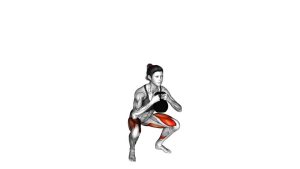
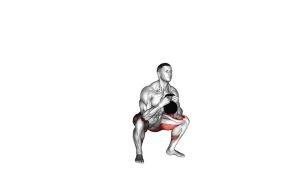
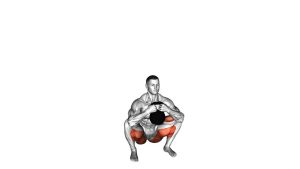
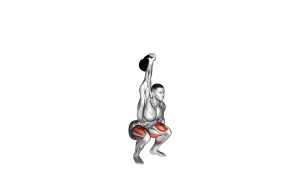
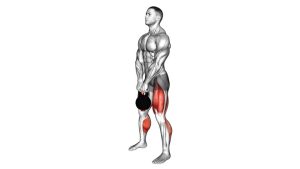
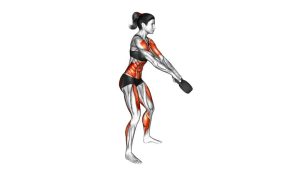
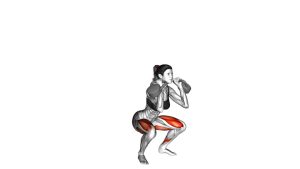
This exercise works best when the kettlebell stays tight to the body and the torso remains tall. The front-loaded position helps improve squat posture, balance, and core control while placing strong emphasis on the quads and glutes. Use a controlled descent, pause briefly if needed, then drive upward through the mid-foot while keeping the knees stable and the chest lifted.
Quick Overview
| Body Part | Legs |
|---|---|
| Primary Muscle | Quadriceps |
| Secondary Muscle | Glutes, adductors, hamstrings, calves, core, upper back |
| Equipment | Kettlebell |
| Difficulty | Beginner to Intermediate |
Sets & Reps (By Goal)
- Strength: 4–5 sets × 4–8 reps using a challenging kettlebell with full control.
- Muscle growth: 3–4 sets × 8–12 reps with a slow descent and strong lockout.
- Technique practice: 2–4 sets × 6–10 reps using a light-to-moderate kettlebell.
- Conditioning: 3–5 rounds × 12–20 reps with clean form and controlled breathing.
Progression rule: Add reps first, then increase kettlebell weight. Never increase load if your chest drops, heels rise, or knees collapse inward.
Setup / Starting Position
- Stand tall: Place your feet about shoulder-width apart with toes slightly turned outward.
- Hold the kettlebell close: Grip the horns or handle and keep the bell in front of your chest.
- Set your elbows: Keep elbows angled down and slightly forward without letting them flare too wide.
- Brace your core: Keep your ribs stacked over your pelvis and avoid arching your lower back.
- Prepare your squat path: Look forward, keep the chest tall, and distribute pressure through the mid-foot and heel.
Tip: Before starting, take a breath and brace as if you are preparing to resist movement around your torso. This helps keep the kettlebell from pulling you forward.
Execution (Step-by-Step)
- Begin the descent: Bend your knees and hips together while keeping the kettlebell close to your chest.
- Track the knees: Let your knees travel in the same direction as your toes without collapsing inward.
- Stay upright: Keep your chest lifted and avoid folding forward as you lower.
- Reach depth: Lower until your thighs are around parallel or slightly below, depending on your mobility and control.
- Drive upward: Push through the mid-foot and heels while extending the knees and hips together.
- Finish tall: Stand fully upright with glutes engaged, core braced, and the kettlebell still stable at the chest.
Pro Tips & Common Mistakes
- Keep the bell close: The farther the kettlebell moves away, the harder it is to keep your torso upright.
- Do not collapse at the bottom: Maintain core tension and avoid relaxing into the deepest position.
- Control your knees: Push the knees slightly outward so they track over the toes.
- Avoid heel lift: Keep pressure through the full foot, especially the mid-foot and heel.
- Do not rush the descent: Lower with control to build strength and reduce joint stress.
- Use your breath: Inhale and brace before descending, then exhale as you drive up.
- Choose the right depth: Squat as low as you can while keeping a neutral spine and stable feet.
FAQ
What muscles does the kettlebell front squat work?
The kettlebell front squat primarily works the quadriceps. It also trains the glutes, adductors, hamstrings, calves, core, and upper back because the body must stabilize the front-loaded kettlebell position.
Is the kettlebell front squat the same as a goblet squat?
They are very similar when one kettlebell is held in front of the chest. A goblet squat usually refers to holding the kettlebell by the horns, while a kettlebell front squat can also describe a front-rack position. Both train a strong upright squat pattern.
Should beginners do kettlebell front squats?
Yes. This is a good beginner-friendly squat variation when the kettlebell is light enough to control. Beginners should focus on posture, depth, knee tracking, and smooth tempo before using heavier loads.
How low should I squat?
Squat to the lowest depth you can control while keeping your heels down, knees stable, chest lifted, and lower back neutral. For many people, this means parallel or slightly below parallel.
Why do I feel my core working during this exercise?
The kettlebell sits in front of the body, so your core must resist forward pull and keep the torso stacked. This makes the kettlebell front squat useful for improving bracing and posture under load.
Recommended Equipment
- Cast Iron Kettlebell — a durable option for front squats, goblet squats, swings, and general strength training
- Adjustable Kettlebell — useful if you want multiple weight options without buying several kettlebells
- Weightlifting Shoes — helps improve squat stability, heel contact, and upright torso position
- Exercise Mat / Home Gym Floor Mat — provides a stable surface and protects floors during kettlebell training
- Fitness Gloves or Grip Support — helps improve comfort when holding heavier kettlebells in front of the chest
Tip: Choose a kettlebell weight that allows full control through the entire squat. If your upper body loses position before your legs fatigue, the weight is too heavy for clean front squat practice.