Kettlebell Swing: Proper Form, Benefits, Sets, Tips & FAQ
Learn the kettlebell swing for explosive glute, hamstring, and core power. Full setup, form cues, sets by goal, mistakes, FAQ, and gear.
Kettlebell Swing
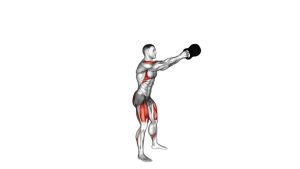
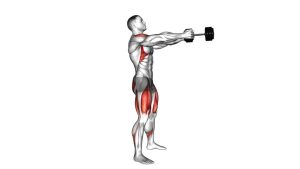
The kettlebell swing is best performed as a ballistic hip-hinge movement, not as a squat and not as a front raise. During the bottom position, the hips move back while the spine stays neutral. During the upward phase, the hips extend explosively and the kettlebell travels forward from momentum. The arms stay long and relaxed, acting like hooks, while the legs and hips create the power.
Quick Overview
| Body Part | Glutes |
|---|---|
| Primary Muscle | Gluteus maximus |
| Secondary Muscle | Hamstrings, erector spinae, core, lats, forearms, quads |
| Equipment | Kettlebell |
| Difficulty | Intermediate because it requires hip-hinge control, timing, bracing, and explosive coordination |
Sets & Reps (By Goal)
- Technique practice: 3–5 sets × 8–12 reps with light-to-moderate weight and full control.
- Glute and hamstring power: 4–6 sets × 10–15 reps with strong hip drive and 60–90 sec rest.
- Conditioning: 6–10 rounds × 15–25 reps or 20–40 seconds of work with controlled breathing.
- Strength endurance: 4–5 sets × 15–20 reps using a weight that allows crisp technique.
- Warm-up activation: 2–3 sets × 10 reps before deadlifts, squats, or lower-body training.
Progression rule: Increase reps first, then increase kettlebell weight only when every rep keeps the same clean hinge, neutral spine, and strong hip snap.
Setup / Starting Position
- Place the kettlebell slightly in front of you: Start with the bell about one foot ahead of your toes so you can hike it back like a football snap.
- Stand with stable foot placement: Keep feet about shoulder-width apart with toes slightly turned out if comfortable.
- Hinge at the hips: Push your hips back while keeping the chest open, spine neutral, and knees softly bent.
- Grip the handle firmly: Hold the kettlebell with both hands while keeping your shoulders packed and lats lightly engaged.
- Set your brace: Tighten your midsection as if preparing for impact, but keep your neck relaxed and eyes slightly forward/down.
- Prepare to hike: The kettlebell should move backward between the thighs before the first explosive hip drive.
A good setup makes the swing safer. If the kettlebell starts too low or too far away, the movement may turn into a rounded-back pull instead of a clean hip hinge.
Execution (Step-by-Step)
- Hike the kettlebell back: Pull the bell back between your legs while keeping it close to the body and high near the upper thighs.
- Load the posterior chain: Let the hips travel back as the hamstrings stretch and the spine stays neutral.
- Drive the hips forward: Snap the hips into extension by squeezing the glutes strongly and standing tall.
- Let the kettlebell float: Allow the bell to rise from hip power, usually to chest height for a Russian-style swing.
- Keep arms passive: Do not front-raise the kettlebell. Your shoulders guide the path, but your hips create the movement.
- Brace at the top: Finish in a tall plank-like position with glutes tight, ribs down, abs braced, and no backward lean.
- Let the bell fall naturally: Wait for the kettlebell to descend before hinging again. Do not squat early.
- Reload and repeat: As the bell comes back between the thighs, hinge sharply and repeat the next hip snap.
Pro Tips & Common Mistakes
- Use a hinge, not a squat: The hips move back and forward. The knees bend slightly, but they should not dominate the movement.
- Do not lift with the arms: The arms should stay long while the hips generate the power.
- Keep the kettlebell close: At the bottom, the bell should pass high between the thighs, not drop toward the knees or floor.
- Avoid leaning back at the top: Finish tall with the ribs down and glutes tight. Do not overextend the lower back.
- Wait for the bell: Let the kettlebell fall before you hinge. Hinging too early can make the bell pull you forward.
- Brace the core: A strong brace protects the lower back and transfers force from the hips into the bell.
- Use the right weight: Too light can encourage shoulder lifting. Too heavy can break form. Choose a weight that allows a strong but clean swing.
- Control the breathing: Exhale sharply during the hip snap and inhale as the kettlebell returns.
- Keep the neck neutral: Do not look up aggressively at the bottom. Let the head follow the spine naturally.
- Stop before form fails: Ballistic exercises lose value when fatigue turns the movement into a sloppy lower-back pull.
FAQ
Is the kettlebell swing a leg exercise or a cardio exercise?
The kettlebell swing is both. It trains the glutes, hamstrings, and posterior chain, while also raising the heart rate because it is explosive and repetitive.
Should the kettlebell swing be a squat?
No. The kettlebell swing should be a hip-hinge movement. Your hips move back and forward, while your knees bend only enough to support the hinge.
How high should the kettlebell go?
For a standard Russian kettlebell swing, the bell usually rises to about chest height. The exact height is less important than keeping the movement powered by the hips.
Why does my lower back hurt during kettlebell swings?
Lower-back discomfort often happens when the spine rounds, the hips do not hinge correctly, the weight is too heavy, or the athlete leans back at the top. Reduce the load and rebuild the hinge pattern.
Are kettlebell swings good for glutes?
Yes. Kettlebell swings are excellent for glute power because the movement depends on explosive hip extension. Focus on squeezing the glutes at the top without arching the lower back.
Can beginners do kettlebell swings?
Beginners can learn kettlebell swings, but they should first understand the hip hinge. Practice dead-stop hinges, kettlebell deadlifts, or light swings before using heavy weight or high reps.
Recommended Equipment
- Cast Iron Kettlebell — the main tool for building strong, clean kettlebell swing technique.
- Competition Kettlebell — consistent size across weights, useful for serious kettlebell training.
- Non-Slip Exercise Mat — helps protect the floor and gives stable footing during swing practice.
- Weightlifting Chalk — improves grip security when training higher-rep kettlebell swings.
- Flat Training Shoes — supports better ground contact and stability compared with soft running shoes.
Tip: Choose kettlebell weight based on your ability to keep the swing explosive, close to the body, and pain-free. Clean technique matters more than using a heavier bell.