Kettlebell Sit-Up Press: Form, Core Benefits, Sets & Tips
Learn the Kettlebell Sit-Up Press with step-by-step form, core training tips, sets by goal, common mistakes, FAQs, and equipment picks.
Kettlebell Sit-Up Press
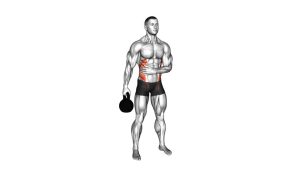
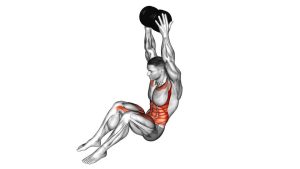
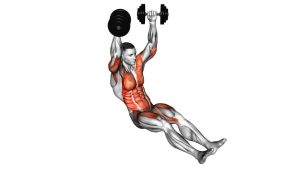
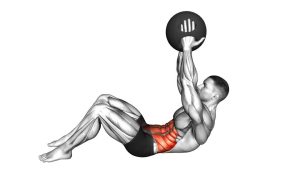
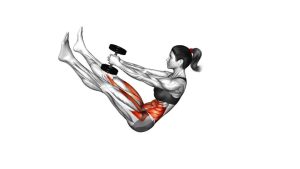
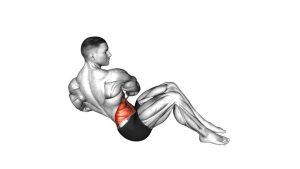
This exercise works best when each phase is separated and controlled. First, the torso rises from the floor while the kettlebell stays close to the chest. Next, the body stabilizes in a tall seated position. Then, the kettlebell is pressed overhead without leaning backward or losing core tension. Finally, the kettlebell returns to the chest before the torso lowers back to the floor.
Quick Overview
| Body Part | Abs |
|---|---|
| Primary Muscle | Rectus abdominis |
| Secondary Muscle | Hip flexors, obliques, anterior deltoids, triceps, deep core stabilizers |
| Equipment | Kettlebell and exercise mat |
| Difficulty | Intermediate to advanced, depending on kettlebell weight and control |
Sets & Reps (By Goal)
- Core strength: 3–4 sets × 6–10 reps, resting 60–90 seconds between sets.
- Muscle control: 2–3 sets × 8–12 slow reps, using a light kettlebell and smooth tempo.
- Conditioning finisher: 2–4 rounds × 8–15 reps, resting 45–75 seconds as needed.
- Beginner progression: 2–3 sets × 5–8 reps with a very light kettlebell or no press.
Progression rule: Add reps before adding weight. Also, increase load only when you can sit up, press overhead, lower the kettlebell, and return to the floor without rushing or arching.
Setup / Starting Position
- Lie on your back: Start supine on a mat with your body long and controlled.
- Hold the kettlebell securely: Grip the kettlebell with both hands near the chest.
- Set your legs: Keep the legs extended as shown in the video, and avoid kicking for momentum.
- Brace your core: Lightly tighten your abs before lifting the torso from the floor.
- Prepare the press path: Keep the kettlebell close until you reach the seated position.
Tip: Start with a kettlebell that feels easy to press. Because the press happens after the sit-up, fatigue can make overhead control harder than expected.
Execution (Step-by-Step)
- Brace and begin the sit-up: Exhale slightly, tighten your abs, and lift your head, shoulders, and torso from the floor.
- Keep the kettlebell close: Hold the kettlebell near your chest during the rising phase instead of pressing early.
- Reach a tall seated position: Sit upright with control before starting the overhead press.
- Press overhead: Drive the kettlebell upward until the arms are extended and the torso stays stable.
- Lower to the chest: Bend the elbows and bring the kettlebell back down under control.
- Return to the floor: Slowly roll the torso back down while keeping the kettlebell close and the core engaged.
- Reset cleanly: Return to the starting position before beginning the next repetition.
Pro Tips & Common Mistakes
- Keep the kettlebell close during the sit-up: This improves control and reduces unnecessary shoulder strain.
- Do not swing the weight: Instead, use your abs to lift the torso and keep the movement smooth.
- Press only after sitting tall: This creates a cleaner exercise rhythm and better overhead mechanics.
- Avoid leaning back during the press: Brace your abs and keep the ribs down as the kettlebell moves overhead.
- Control the descent: Lower your body slowly rather than dropping back to the floor.
- Use a light kettlebell first: Heavy loading can quickly turn this into a sloppy momentum-based movement.
- Keep your neck relaxed: Look forward during the sit-up and avoid pulling the head forward aggressively.
- Do not rush the lockout: Finish the overhead press with stable arms, not a quick bounce.
FAQ
What muscles does the Kettlebell Sit-Up Press work?
The exercise mainly targets the rectus abdominis. However, it also trains the hip flexors, obliques, shoulders, triceps, and deep core stabilizers because the body must sit up, stabilize, press, and return under control.
Is the Kettlebell Sit-Up Press beginner-friendly?
It is usually better for intermediate trainees. Beginners can practice a regular sit-up, a weighted sit-up, or a seated kettlebell press separately before combining both parts.
Should I press the kettlebell while sitting up?
Based on the demonstrated movement, the kettlebell is pressed after the torso reaches the upright seated position. This timing helps keep the exercise cleaner and safer.
Why do my hip flexors feel this exercise?
Hip flexor involvement is common because the legs stay extended and the torso rises from the floor. Even so, your abs should still control the main sit-up action. If the hip flexors dominate too much, reduce the weight or bend the knees as a regression.
How heavy should the kettlebell be?
Choose a kettlebell that you can press overhead smoothly after each sit-up. In most cases, lighter weight is better because clean control matters more than heavy loading.
Can I do this exercise at home?
Yes. You only need a kettlebell and enough floor space. Additionally, using a mat can make the lying position more comfortable and help protect your back during repeated reps.
Recommended Equipment
- Cast Iron Kettlebell — ideal for strength-focused sit-up press training.
- Adjustable Kettlebell — useful for progressing weight without buying multiple kettlebells.
- Thick Exercise Mat — adds comfort and support during the floor phase.
- Weightlifting Gloves — improves grip comfort when holding the kettlebell handle.
- Kettlebell Wrist Guards — helps protect the wrists during pressing and transitions.
Tip: Pick equipment that supports clean movement. A lighter kettlebell, stable grip, and comfortable mat will usually improve form more than adding load too early.